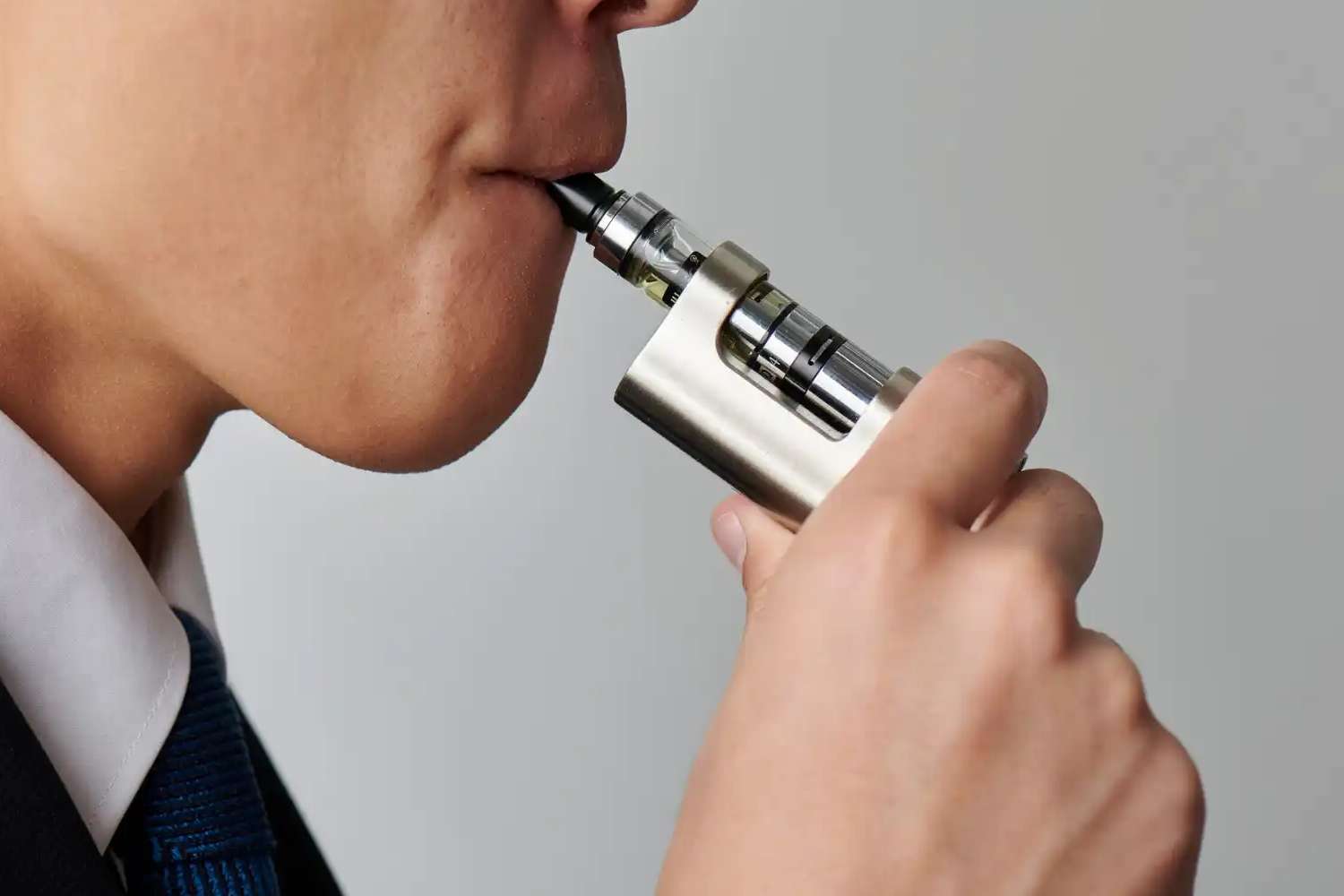

A major new study published in the South African Medical Journal has found that 16.8% of learners at fee-paying high schools in South Africa are current vapers, making e-cigarettes the most widely used inhaled substance among the country’s adolescent population. The study surveyed more than 25,000 students across 52 schools in eight provinces.
The findings place e-cigarette use significantly ahead of other inhaled substances in the same sample.
Cannabis use was recorded at 5.1%, hookah pipe at 3.2% and traditional cigarettes at 2.1%. Of the students who reported vaping, 88.12% were using nicotine-containing devices, and 38.34% reported vaping daily.
The addiction picture in the data
The study’s most striking finding concerns the depth of nicotine dependency in the vaping population. Approximately 47% of learners who vape reported doing so within the first hour of waking, a clinical marker strongly associated with nicotine addiction.
Researchers estimated that up to 61% of high school learners who vape may be seriously addicted to nicotine, as reported by SABC News.
Among the reasons learners cited for vaping, stress relief, anxiety management and help with sleep were the most common. A secondary group cited body image and weight control.
The study did not rely on self-reported health outcomes and instead applied standardised frequency and timing measures to assess likely addiction levels.
The regulatory gap at the centre of the crisis
Traditional tobacco products in South Africa are governed by the Tobacco Products Control Act of 1993, which limits advertising, imposes packaging requirements and restricts sales to minors.
E-cigarettes currently sit outside that regulatory framework, leaving their marketing and sale largely unregulated. The study’s authors cited this gap as a material contributor to the scale of the problem.
Without regulatory controls equivalent to those applied to cigarettes, manufacturers of vaping products have been able to market flavoured products through social media channels that reach adolescent audiences directly.
The Witness reported that concern among school communities has grown as vaping spreads to primary school level, beyond the high school population captured in the SAMJ study.
The study was conducted across fee-paying schools, meaning its findings are likely most representative of urban, higher-income student populations.
Researchers noted that the prevalence figures across the broader school population may differ, and called for expanded research to cover public schools.
A regulatory response through amendments to the Tobacco Products Control Act, or a dedicated e-cigarette statute, is the most likely legislative path forward.