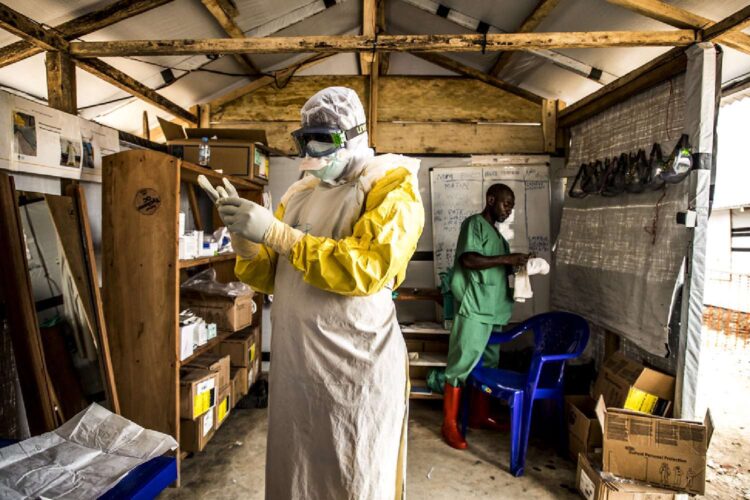


A French woman infected during the hantavirus cruise ship outbreak aboard the MV Hondius is fighting for her life in a Paris hospital, breathing through an artificial lung, as the total confirmed and probable case count from the vessel climbs to 11.
The MV Hondius, a Dutch-flagged expedition vessel operated by Oceanwide Expeditions, left the Argentine port of Ushuaia on 1 April for a 34-day South Atlantic crossing.
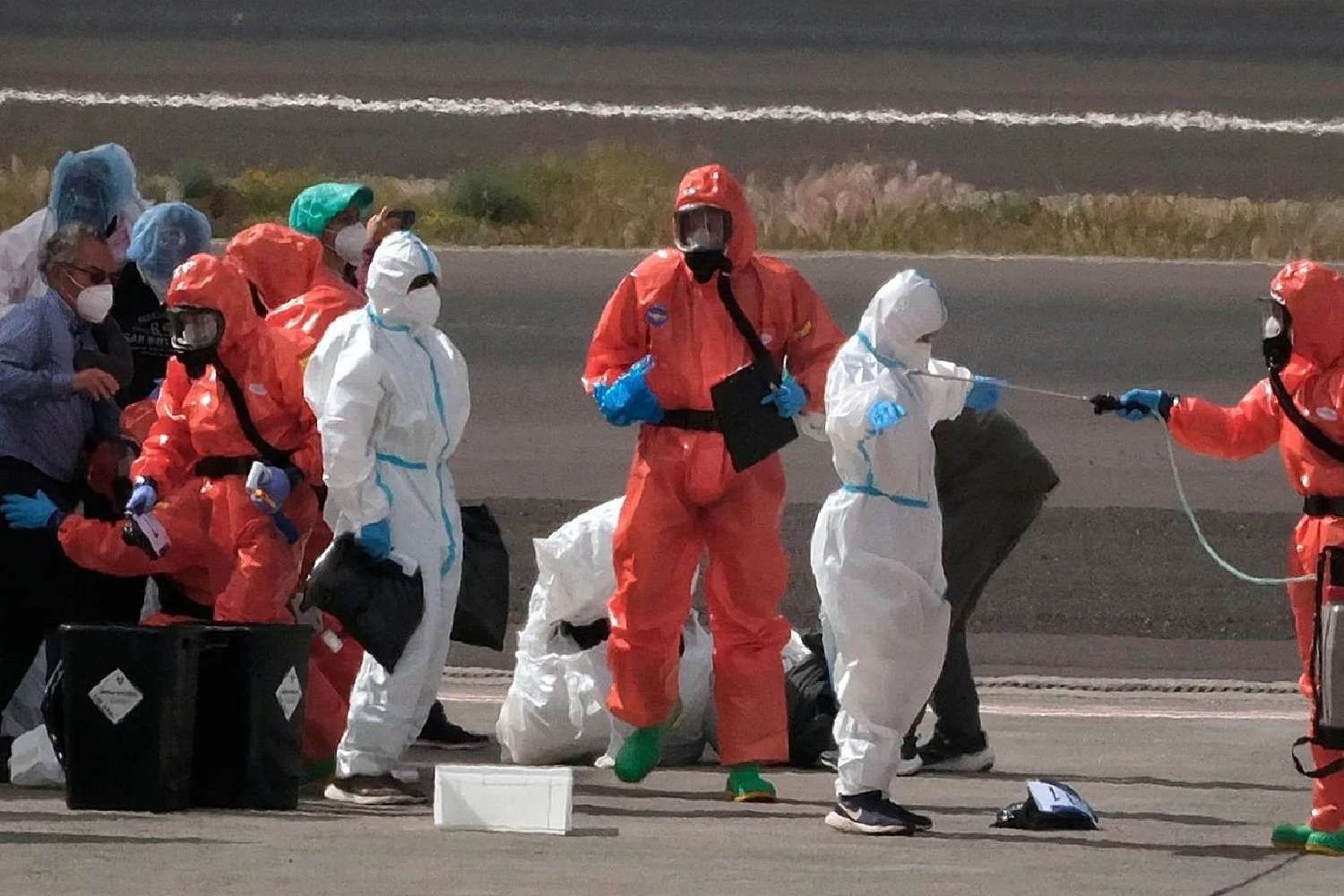
The outbreak, caused by the Andes hantavirus, was identified mid-voyage. Three passengers have died since the ship departed South America. The ship docked at Tenerife in the Canary Islands on 10 May and passengers were repatriated to their home countries between 10 and 11 May.
The critical case in Paris
The French national developed severe cardiopulmonary failure following her infection and is currently dependent on an extracorporeal membrane oxygenation machine, commonly referred to as ECMO.
The device pumps blood through an artificial lung to produce oxygen and relieve pressure on both the heart and the natural lungs. It is reserved for patients whose lungs can no longer sustain independent function.
Her condition represents the most critical still-active case linked to the MV Hondius. The ECDC’s 13 May update confirmed nine cases and classified a further two as probable, placing the total at 11.
The outbreak spans passengers and crew drawn from 23 countries, making coordinated international follow-up one of the central logistical challenges facing health authorities.
What makes this virus different
Andes virus causes hantavirus pulmonary syndrome, a severe respiratory illness with a fatality rate of between 25% and 35% in confirmed infections. It is the only known hantavirus capable of spreading from person to person, though such transmission typically requires sustained, close physical contact.
All other known hantavirus strains spread exclusively through contact with infected rodent droppings, urine or nesting material.
The MV Hondius passed through areas of the South Atlantic where rodent populations are active. Health authorities have not confirmed the precise point of animal-to-human exposure that seeded the outbreak, though expedition vessels operating in southern South America are regularly exposed to environments where Andes virus is endemic.
Where the response now stands
Passengers repatriated to the United States were received at the University of Nebraska Medical Centre’s National Quarantine Unit on 11 May for evaluation. British nationals were returned to the United Kingdom and placed under medical monitoring.
Other affected countries arranged separate evaluations for their nationals.
The risk to the general EU and European Economic Area population has been assessed as very low, as reported by the ECDC. However, the agency noted that the full extent of any person-to-person transmission aboard the vessel has not yet been established, meaning the number of people with meaningful exposure may still be higher than current confirmed figures suggest.
With one patient on life support and an active multi-country monitoring operation under way, the key question health authorities are working to answer is whether any additional transmission occurred among close contacts of confirmed cases after disembarkation.