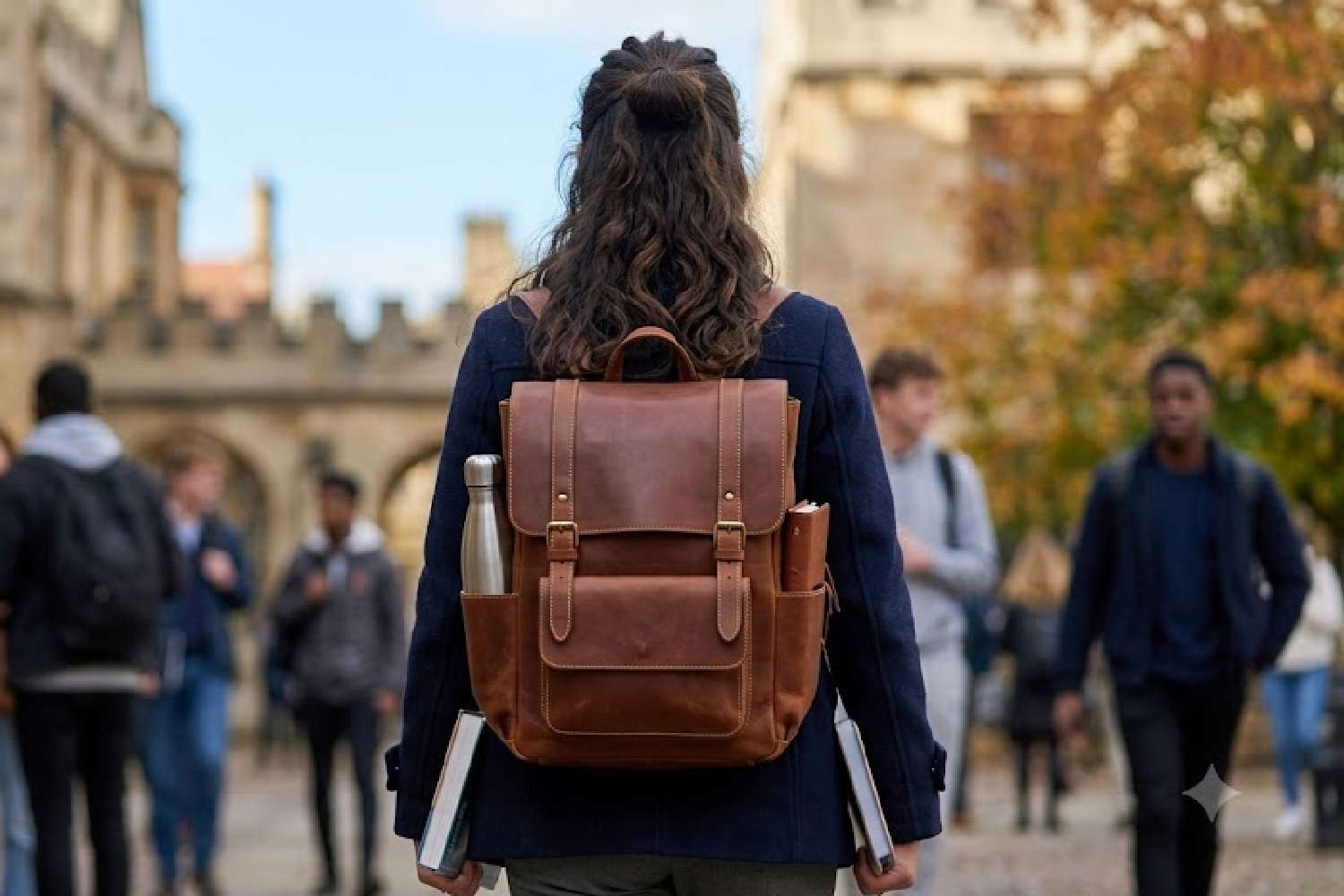


Every parent knows the feeling of buying a school bag in January, only to be back at the shops by June because it’s torn. Bags get dropped on tar and dragged across paving, pencil cases and lunch boxes are stuffed past capacity, and the whole lot is slung around between classes.
Durability comes down to a handful of features you can check before you buy, and knowing which ones to look for can save you from buying the same bag twice. We look at where cheap school luggage and accessories fail first, and the build details that separate a bag that lasts from one that doesn’t.
Where school luggage fails
Most bags fail at specific weak points. Knowing these tells you exactly where to look when you’re comparing options.
- Zips are the most common failure. A cheap zip that snags or splits leaves the main compartment open.
- Straps can either tear away from the bag at the anchor points or lose their padding, digging into the shoulders.
- Seams give way when a bag is regularly overpacked, splitting along the base where the weight sits.
- Wheels and handles on trolley bags take the most punishment, with small wheels and flimsy telescopic handles being the first to break.
Build details for school luggage
Stitching and seams
Turn the bag inside out if you can. Look for double or triple stitching at the stress points, especially where the straps meet the body and along the base. Reinforced bar-tack stitching at strap anchors is a strong sign of a bag built to last. Loose threads, single rows of stitching and glued-only joins are all warnings.
Zips and hardware
There’s no concrete way to know that your zips will last long. However, quality zips usually move smoothly, with sturdy pull tabs, and won’t snag on surrounding fabric. Chunky moulded zips generally outlast thin metal ones on a school bag. Also, check the buckles and clips too, since brittle plastic fittings crack in cold weather and are almost impossible to replace.
Fabric and base
The outer structure of the school luggage will take the most wear and tear over time. Hard-wearing fabrics with a tight weave resist abrasion and daily scuffing far better than thin, shiny materials.
Pay attention to the base, which spends its life being set down on rough ground. A reinforced or moulded base, ideally with some water resistance, keeps the bottom of the bag from wearing through and protects the contents from wet surfaces.
Straps and back support
Padded straps distribute the load and hold up better than thin webbing, which frays and digs in. Structured back support does double duty: it protects your child’s back and helps the bag keep its shape rather than collapsing into a heap over time. A bag that holds its structure simply survives longer.
Durability and the growing child
A bag that physically lasts a year is only useful if it still fits your child by then. Look for generous adjustment in the straps and, on trolley bags, a handle with multiple locking heights so the bag can grow with your child through the year. A bag with adjustable straps keeps fitting as your child grows, so the same bag works from January right through to the end of the year.
Why a guarantee matters
A guarantee changes the real cost of a bag. A cheaper bag that fails mid-year and gets replaced often works out more expensive than a guaranteed one bought once. When you compare prices, factor in the warranty: a year’s cover on a well-built bag is effectively an insurance policy against a second trip to the shops.
South African brands like Savvy build orthopaedic school bags and trolley bags for durability and back the build with a one-year guarantee. Whatever you choose, check the warranty terms before you buy and keep your receipt.
Conclusion
Even a well-built bag lasts longer with a little care. Don’t overpack it, since constant strain on seams and zips is the fastest way to wear a bag out. Empty it regularly and ensure the bag dries properly when it’s wet.
Look for double or triple stitching with reinforced bar-tack at the strap anchors, smooth-running chunky moulded zips and sturdy buckles, a tight-weave outer with a water-resistant base, and padded, adjustable straps with structured back support.
Make sure there’s enough adjustment to keep the bag fitting your child throughout the year. A little care and the right checklist at the shop is all it takes to keep you out of the queue for replacement school luggage come mid-year.