
Thousands of foreign nationals are fleeing South Africa as a wave of xenophobic threats and attacks escalates, with a second group of Nigerians flown home on Monday, 15 June 2026, and more than 3,000 Malawians sheltering in a Durban field.
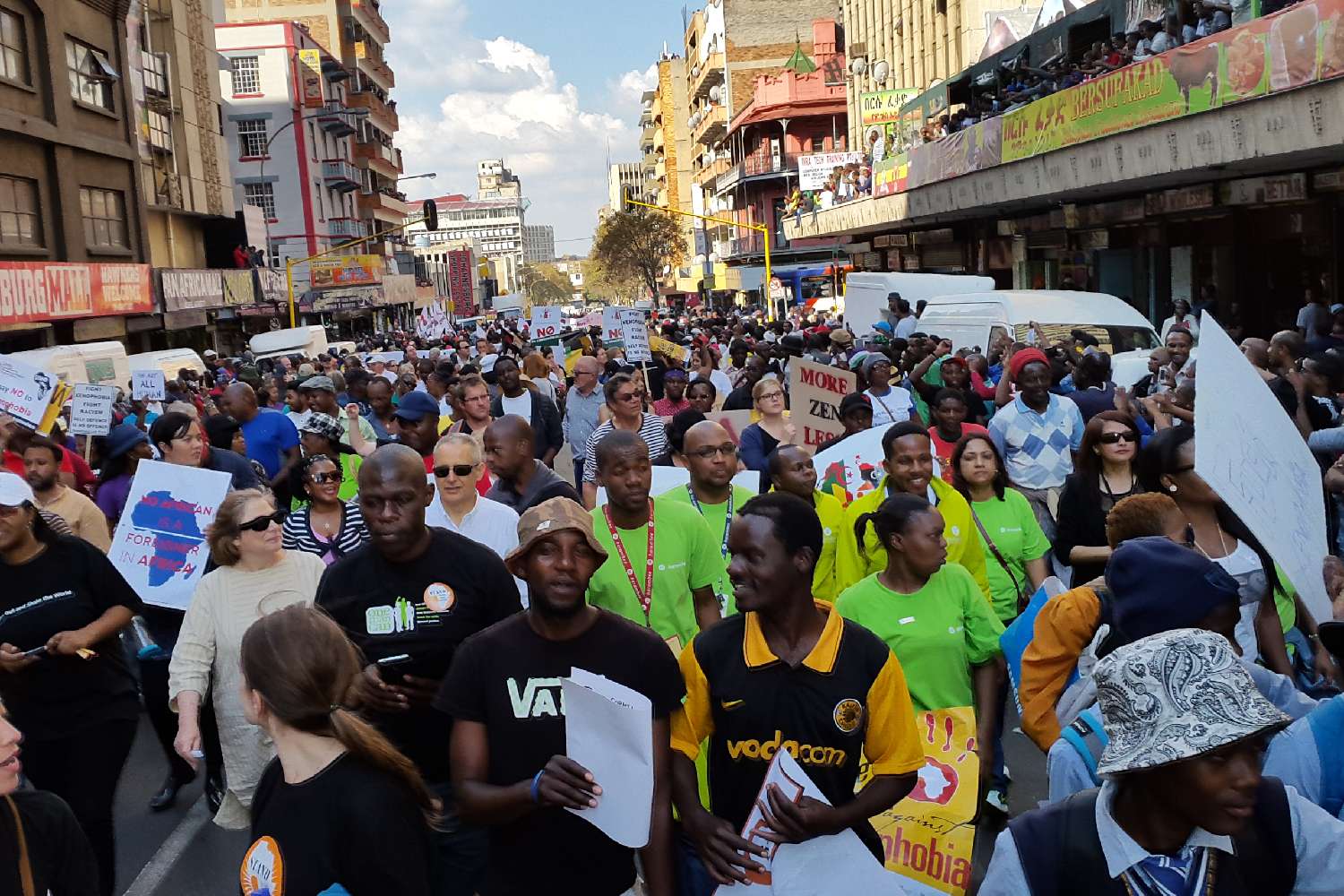
For weeks, groups armed with sticks, whips and shields have marched through parts of the country demanding that undocumented migrants leave by 30 June 2026, as reported by Al Jazeera.
The campaign has driven entire communities from informal settlements, with families abandoning homes and businesses overnight.
Why foreign nationals are fleeing South Africa
More than 3,000 Malawians, including hundreds of children, are now camped in an open field in Durban after being ordered out of an informal settlement.
Over the weekend, more than 150 Malawians were bussed out of the Western Cape, while five Mozambicans were killed in Mossel Bay during the unrest.
Aid groups have warned of dire conditions in the Durban field, where families with young children are sleeping in the open with little access to food, water or sanitation.
The scale of the displacement has drawn comparisons to earlier waves of xenophobic violence that have periodically gripped the country since 2008.
The unrest has not been confined to a single province. Incidents have been reported in KwaZulu-Natal, the Western Cape and the Eastern Cape, with the Mossel Bay killings marking the most violent episode so far.
The geographic spread has made a coordinated security response harder for authorities to mount.
Protesters argue that undocumented migration is fuelling unemployment, crime and pressure on public services, grievances that have surfaced repeatedly across South Africa for more than a decade.
The country’s unemployment rate, which sits above 30%, continues to supply the economic frustration that drives each new flare-up of anti-migrant sentiment.
How governments are moving foreign nationals home
Several countries have begun moving their citizens home. Nigeria repatriated a first group of 262 nationals, most of them women and children, who landed at Murtala Mohammed International Airport in Lagos, with a second group due to be flown out on Monday, 15 June 2026.
Malawi, Mozambique, Ghana and Zimbabwe have started similar return processes.
The coordinated repatriations mark one of the largest cross-border evacuations South Africa has prompted in years. Foreign missions in Pretoria have been registering nationals for voluntary return, processing requests from people who say they no longer feel safe remaining in communities where the threats have taken hold.
What happens next
The marches have set 30 June 2026 as a deadline for undocumented migrants to leave, meaning the exodus is likely to intensify in the coming days. With diplomatic pressure mounting from across the continent, the South African government faces growing demands to restore order before the standoff escalates further.