

Three people died in and around Mossel Bay over the weekend of 30 May to 1 June 2026 after xenophobic protests in a Western Cape informal settlement triggered arson attacks that destroyed more than 50 shacks and displaced hundreds of residents.
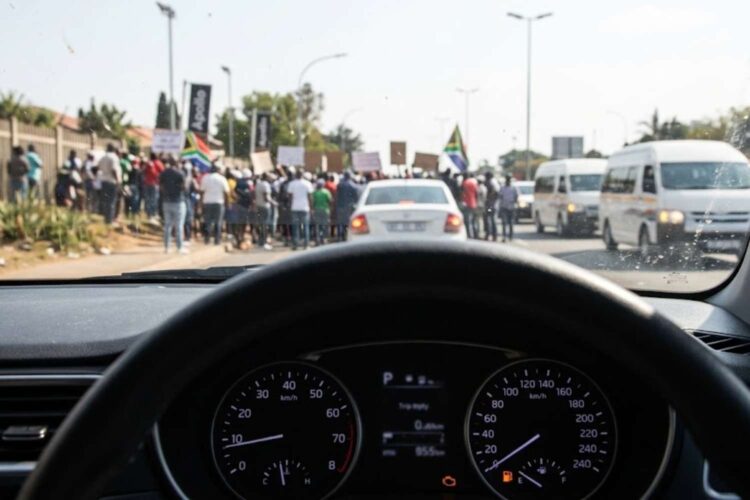
The violence began on Friday night following a community protest against undocumented foreign nationals.
As reported by EWN, police launched a manhunt after two Mozambican nationals were killed during the unrest, with at least one man declared dead on arrival at a nearby hospital after being found with severe assault injuries.
What triggered the Mossel Bay xenophobic violence
The immediate trigger was a community march against undocumented foreign nationals on the Friday night preceding the weekend violence.
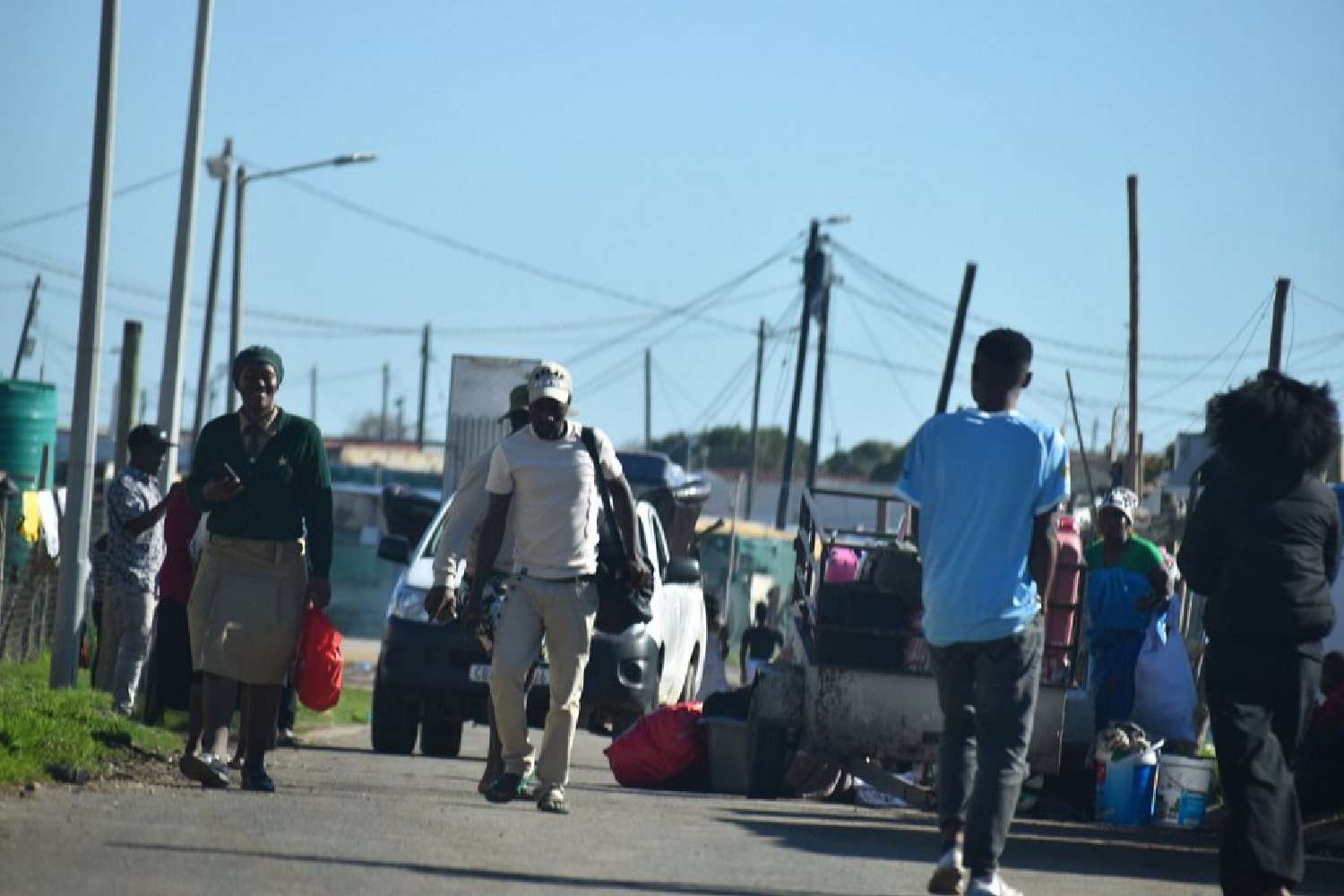
Residents set alight more than 50 shacks in the informal settlement during the unrest, displacing hundreds of people, both South Africans and foreign nationals who had been living in the area.
Anti-immigrant sentiment in South Africa has periodically escalated into violence since at least 2008, when attacks in Johannesburg and other cities killed more than 60 people and displaced tens of thousands.
The Western Cape has seen its own recurring incidents, and Mossel Bay, a coastal town in the Garden Route, had not previously been among the country’s identified flashpoints for this kind of violence.
Anti-immigrant violence in the Western Cape tends to concentrate in areas with high unemployment and significant populations of undocumented migrants.
The tension between residents and foreign nationals over perceived competition for jobs, housing and social services has been building in several municipalities across the province over recent years.
Protests of this kind have previously targeted communities from Mozambique, Zimbabwe and other countries in the region.
The deaths and the police investigation
Two Mozambican nationals were killed in the violence, and police launched a manhunt for those responsible.
A third person died over the same weekend: 19-year-old Nhlamulo Sambo, a South African, was found dead with stab wounds.
Police said preliminary investigations pointed to a housebreaking motive in Sambo’s case and dismissed any link between his death and the anti-immigration protests.
The distinction matters for how the event is understood. Police were treating the two Mozambican nationals’ deaths as directly connected to the xenophobic violence, and those are the cases driving the active manhunt. Sambo’s death was being investigated separately.
What Mossel Bay looks like now
Hundreds of foreign nationals left the area following the violence. Those who remained and could not return to their destroyed shacks were accommodated at a place of safety arranged by local authorities in Mossel Bay.
The full scale of the displacement and the timeline for any return to normalcy had not been determined at the time of writing.
The police manhunt for those responsible for the killings of the two Mozambican nationals was ongoing. Whether criminal charges follow will depend on whether any accused are identified and apprehended.
The broader question of anti-immigration sentiment in the Western Cape, and in Mossel Bay specifically, is unlikely to be resolved by this investigation alone.