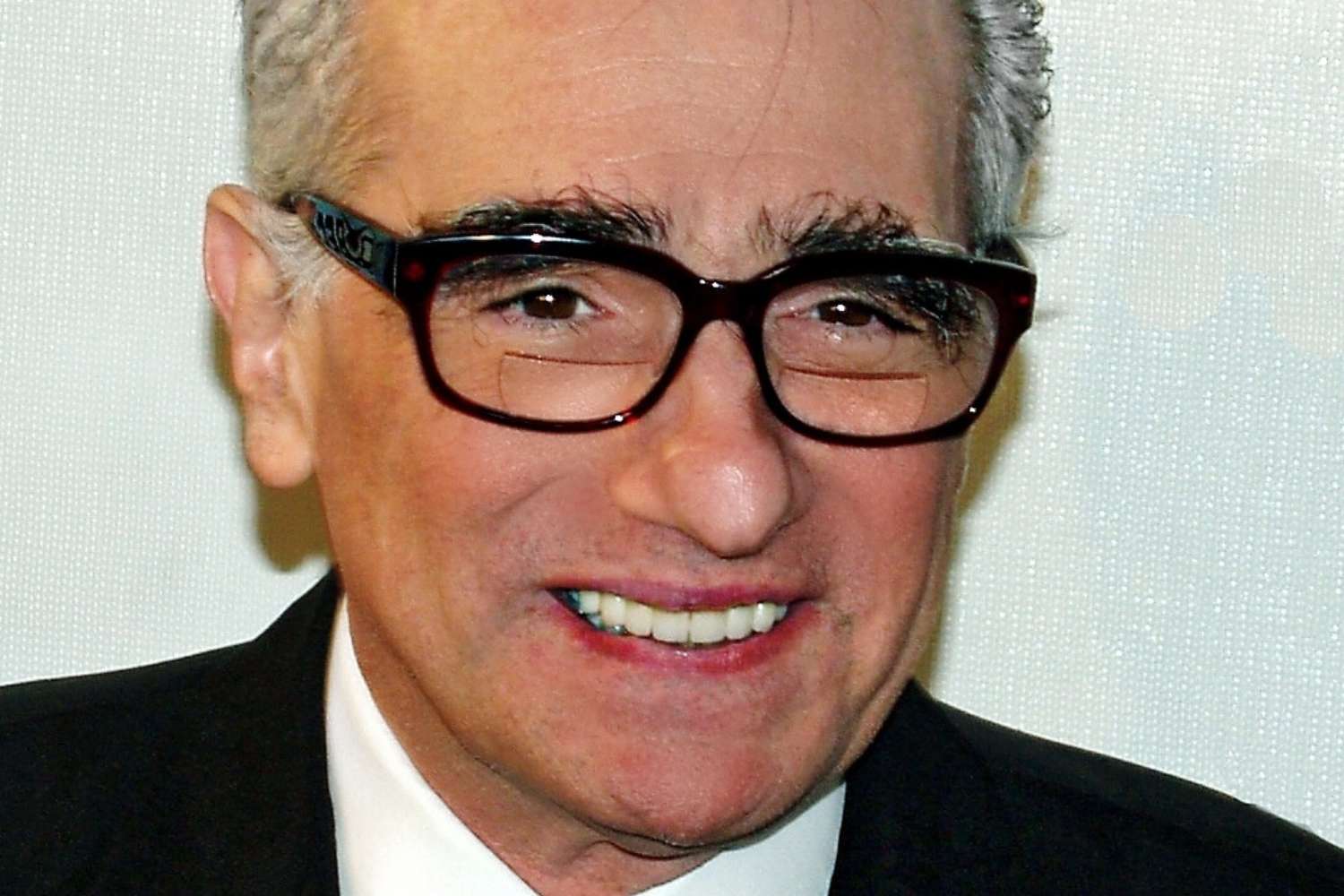


Martin Scorsese has joined Black Forest Labs, the AI image generation company behind the FLUX model, as an adviser and investor, using the technology to storyboard his next film starring Leonardo DiCaprio and Jennifer Lawrence, announced Wednesday, 3 June 2026.
Black Forest Labs is not a household name the way OpenAI or Google might be, but in AI image generation it is a significant player.
As reported by Variety, the company was founded by former Stability AI researchers, and their FLUX model is one of the most capable text-to-image generators currently available.
The startup is valued at $3.25 billion. Its investors include BroadLight Capital, the fund co-founded by Scorsese’s own talent manager, Rick Yorn, whose financial stake and professional role in Scorsese’s career aligned directly to make this partnership happen.
What Black Forest Labs is and why Martin Scorsese’s involvement matters
Black Forest Labs builds image generation AI. In simple terms, that is software that converts a written text description of a scene into a set of visual images, making it possible to visualise what a shot could look like before a single frame is filmed.
For filmmakers, the key application is storyboarding, the pre-production process of planning how each scene will be visually executed.
Rather than commissioning sketches from a human storyboard artist, a director can type scene descriptions into FLUX and generate usable reference images in far less time.
BroadLight Capital, the fund connected to Scorsese through his manager Yorn, had already invested in the company before this partnership formed.
CAA co-founder Michael Ovitz, another figure in Scorsese’s orbit, also put money into Black Forest Labs and helped broker the relationship.
BroadLight Capital operates at the intersection of talent representation and venture investment, backing technology companies that interface with the entertainment industry. Its co-founder managing Scorsese’s career meant that in this case, the financial interest and the professional relationship pointed in the same direction.
The film Scorsese is storyboarding with AI
Scorsese’s next feature is What Happens at Night, a drama starring Leonardo DiCaprio and Jennifer Lawrence.
A promotional video released alongside the partnership shows Scorsese using FLUX prompts to generate storyboard imagery for the film.
He framed the appeal simply: cinema is, in his view, a “young medium,” and he is drawn to “the intersection of technology and storytelling.”
For a director of Scorsese’s stature, that is not a throwaway line. His influence on how the industry thinks about its own practices is significant, which is precisely why this partnership is generating the level of attention that it is.
Hollywood’s reaction to the Black Forest Labs deal
Not everyone in Hollywood is enthusiastic. Human storyboard artists have pushed back against the move publicly, arguing that Scorsese’s endorsement makes it harder to defend their professional role in pre-production.
The debate about AI’s place in creative work has been running since the writers’ and actors’ strikes of 2023, and this announcement lands directly into that conversation.
The concern from storyboard artists is not abstract. If a director with Scorsese’s influence publicly adopts AI for this phase of production, it reframes what studios might consider standard practice, and the economic pressure on human creatives in that role is real.
What comes next
What Happens at Night does not yet have a confirmed release date. As production moves forward, the degree to which FLUX-generated storyboards shape the final film will be closely watched by both AI advocates and critics. S
corsese’s alignment with Black Forest Labs is likely to draw other major directors into the conversation, whether they end up adopting similar tools or rejecting them.