

Pakistan struck militant hideouts along the Afghanistan border on Sunday, 28 June 2026, killing at least 29 fighters by its own count, while Afghan officials say the operation left 36 civilians dead and more than 160 wounded.
The strikes followed a ground operation against hideouts and safe havens of the Pakistani Taliban, launched after a militant attack on the regional headquarters of the paramilitary Rangers in Karachi that killed three soldiers, as reported by NPR.
The cross-border action came less than three weeks after a previous round of Pakistani airstrikes inside Afghanistan.
What Pakistan says happened
Information Minister Attaullah Tarar said security forces carried out “calibrated strikes” against militant targets, putting the death toll at 29 fighters. Islamabad has repeatedly accused Kabul of sheltering the Tehreek-e-Taliban Pakistan, the group behind a wave of attacks on security installations across the country this year.
The operation is the latest in a year of escalating friction between the two neighbours. Pakistan maintains that fighters use Afghan soil to plan and launch attacks across the border, a charge the Taliban administration denies.
Tarar framed the action as a response to provocation rather than an opening move.
What Afghanistan says happened
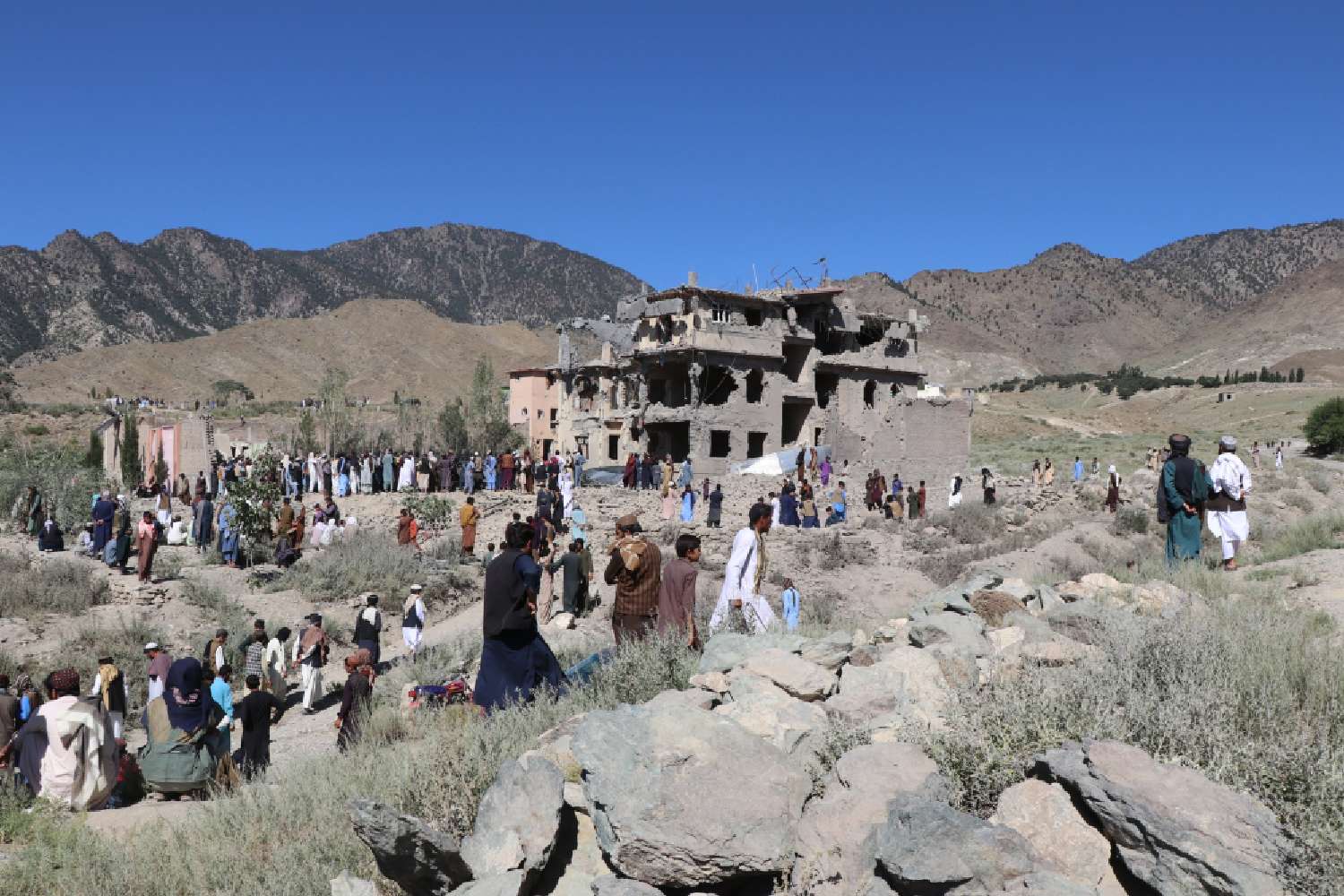
Afghan authorities rejected that account, saying the strikes hit residential areas in the Paktia, Paktika and Kunar provinces rather than fighters. They put the toll at 36 civilians killed and more than 160 wounded.
A Taliban government official called the operation a “cowardly act of aggression” and an “act of brutality”, warning that Kabul would respond “in due time”.
The dispute over who was killed has become a familiar pattern. Pakistan typically describes its targets as terrorists, while Afghan officials report civilian deaths in border districts.
Independent confirmation is difficult because the affected areas are remote and access for journalists and aid workers is limited.
The wider standoff between Islamabad and Kabul
Relations between Islamabad and the Taliban government in Kabul have deteriorated sharply since the group returned to power in 2021.
Trade routes have been closed repeatedly, refugees pushed back across the border, and military exchanges have grown more frequent, turning a long shared frontier into one of the region’s most volatile.
What happens next on the border
The competing casualty figures have not been independently verified, and neither side has shown signs of standing down.
With Kabul promising retaliation and Islamabad signalling further operations if attacks continue, the frontier remains primed for another exchange in the days ahead.
Regional powers will watch closely. A wider confrontation between Pakistan and Afghanistan would unsettle an already tense neighbourhood and complicate trade and security across South and Central Asia, even as both governments insist they do not want full conflict.