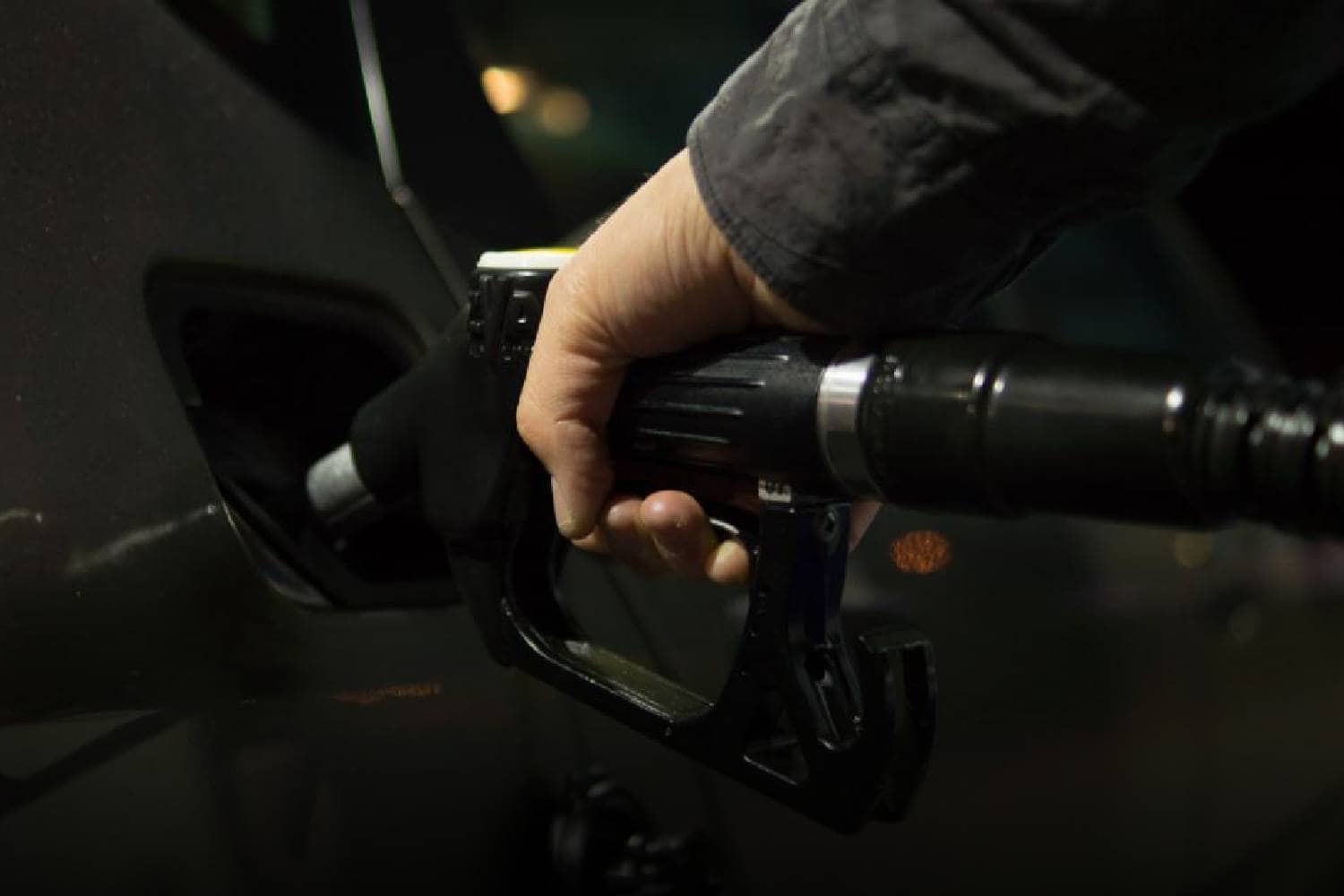


South Africa’s petrol price could ease in July 2026 on the back of lower oil costs, but the expiry of a temporary fuel levy break on Wednesday, 1 July 2026 threatens to claw much of that relief back.
The latest daily figures point to an over-recovery, meaning fuel has been cheaper to import than the price at the pump reflects, according to the Central Energy Fund.
That gap usually signals a coming cut, with 95-octane tracking a drop of about R2.65 a litre.
What the July 2026 petrol price could look like
If the projection holds, 93-octane petrol would land at around R26.77 a litre and 95-octane inland at about R26.91 a litre, with coastal 95-octane near R26.04.
For a motorist filling a 60-litre tank with 95-octane inland, that works out to roughly R1,614.60.
For a household running two cars, even a small per-litre move adds up quickly across a month of commuting, school runs and weekend travel. A cut of around R2.65 a litre would save close to R159 on every 60-litre fill before the levy is counted.
Diesel users are in line for relief too, continuing a trend from June when diesel eased while petrol taxes bit.
The size of any final cut depends on where global oil prices settle in the closing days of the month, which remains the biggest moving part.
Why the fuel levy changes the petrol price maths
National Treasury confirmed that the remaining half of the temporary General Fuel Levy relief falls away on 1 July 2026, adding R1.50 a litre back onto the price.
That increase works directly against the oil-driven saving, narrowing what drivers would otherwise pocket at the pump.
Put the two forces together and the net result is finely balanced. The oil-driven over-recovery pulls the price down by more than R2.65 a litre, while the levy pushes R1.50 back up, leaving any final saving far smaller than the raw fuel data alone suggests.
The levy break was introduced to cushion households against high living costs, and its phased removal means the State is steadily restoring a revenue stream worth billions of rands a year.
For consumers, it lands as a tax that quietly trims any fuel price win.
What happens next at the pumps
The official figures are confirmed by the energy department in the final week of June and take effect on Wednesday, 1 July 2026.
Until then the projection can still shift, so the safest read is cautious relief on petrol, tempered by the levy returning in full from the first of the month.