
A Houthi attack on Saudi Arabia struck a military airbase at Khamis Mushait overnight from Sunday, 13 September 2026 into Monday, 14 September 2026, with dozens of missiles and drones fired at the site.
Iran-aligned Houthi forces launched the assault on the base, which sits in southern Saudi Arabia not far from the Yemeni border, as reported by AP News. The movement said the barrage answered hundreds of Saudi airstrikes on Yemen over recent days.
What the Houthi attack on Saudi Arabia hit
Aircraft hangars, radar systems, runways and ammunition depots were among the sites hit, damage that bears on a base’s ability to launch, track and rearm rather than on its perimeter.
The characterisation of the barrage as retaliation is the Houthis’ own, and casualty figures could not be verified at the time of publishing.
The movement’s reach into Saudi territory is not new. Swisher Post reported in July 2026 on Houthi positions in the Bab al-Mandeb Strait and a threat to halt ships at Saudi ports, a campaign aimed at export routes rather than airfields.
Why Gulf states called off the Iran meeting
Arab states in the Gulf shelved a meeting with Iran that had been set for Monday, 14 September 2026 in Oman. Iran’s foreign ministry said the talks were delayed “for now” after a request from Saudi Arabia.
The request was reportedly driven by the kingdom’s frustration at continued attacks on its territory by Iran-aligned groups, the Houthis among them. That places the Khamis Mushait strike and the cancelled meeting on the same thread rather than treating them as separate events.
Gulf states have been absorbing that pressure for months. Iran fired ballistic missiles at Kuwait and Bahrain in June 2026, and the formal neutrality both governments held through the wider conflict grows harder to sustain with each strike on Arabian Peninsula soil.
Where the Houthi attack leaves oil and diplomacy
The fighting has opened another theatre in the wider Middle East conflict and put further pressure on global oil supply, a market already carrying a risk premium from the war’s effect on shipping and refined fuel.
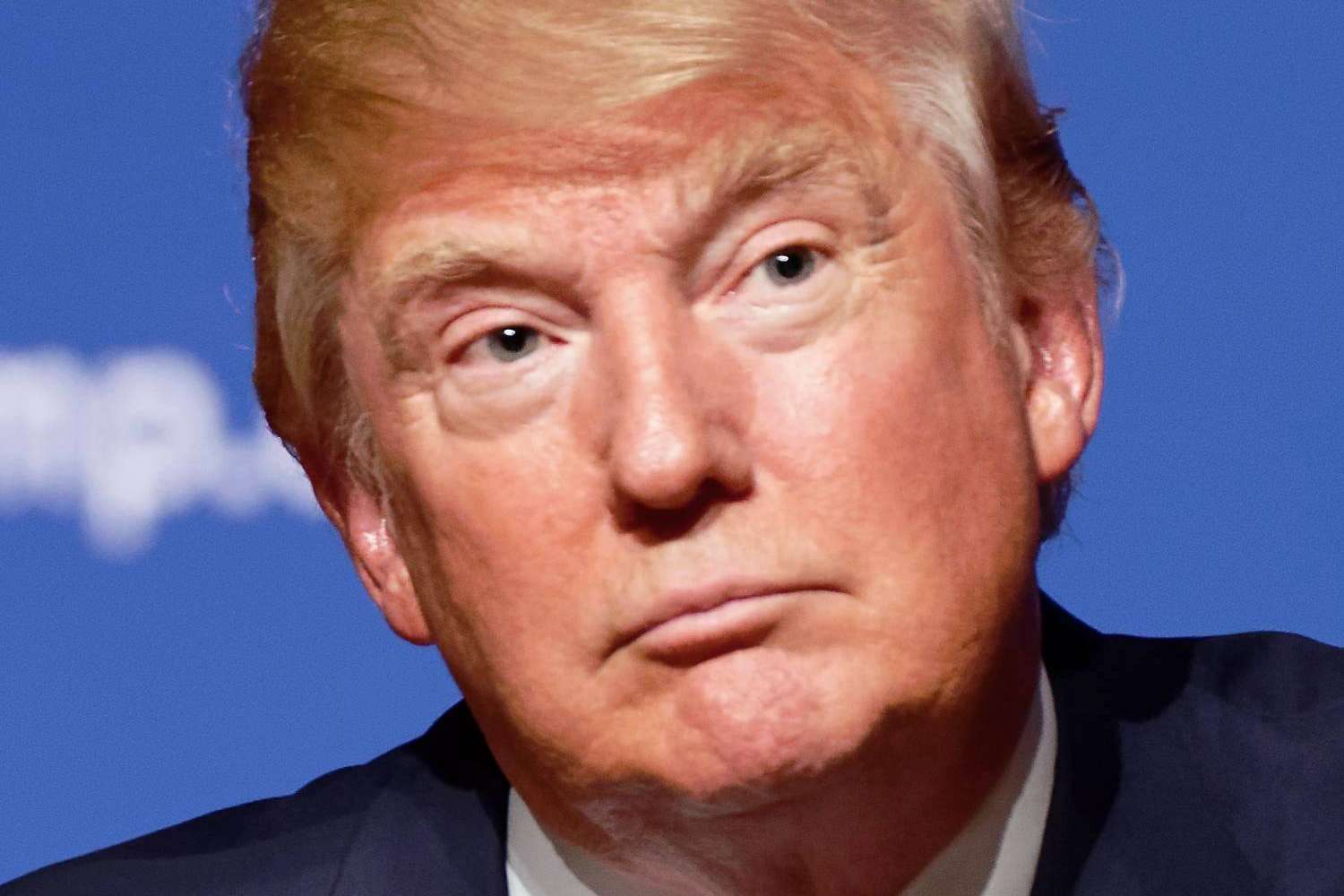
Against that widening front, US President Donald Trump said Iran wanted to reach a deal with Washington, framing the escalation as a prelude to negotiation rather than a barrier to it.
His wording carried none of the caution of a formal diplomatic statement.
“The failing Nation of Iran wants to make a deal, quickly and badly.”
Trump also left the American position deliberately open, declining to say whether the United States would take part in any settlement. The distinction matters, because a deal Iran seeks and a deal Washington joins are not the same document.
“I will determine whether or not the USA will choose to engage. The concept of which we are open to.”
The talks in Oman remain delayed rather than abandoned, and Iran’s own wording leaves the door ajar. Any rescheduling depends on the frequency of strikes on Saudi soil, which is the condition the kingdom attached, in effect, by asking for the postponement.