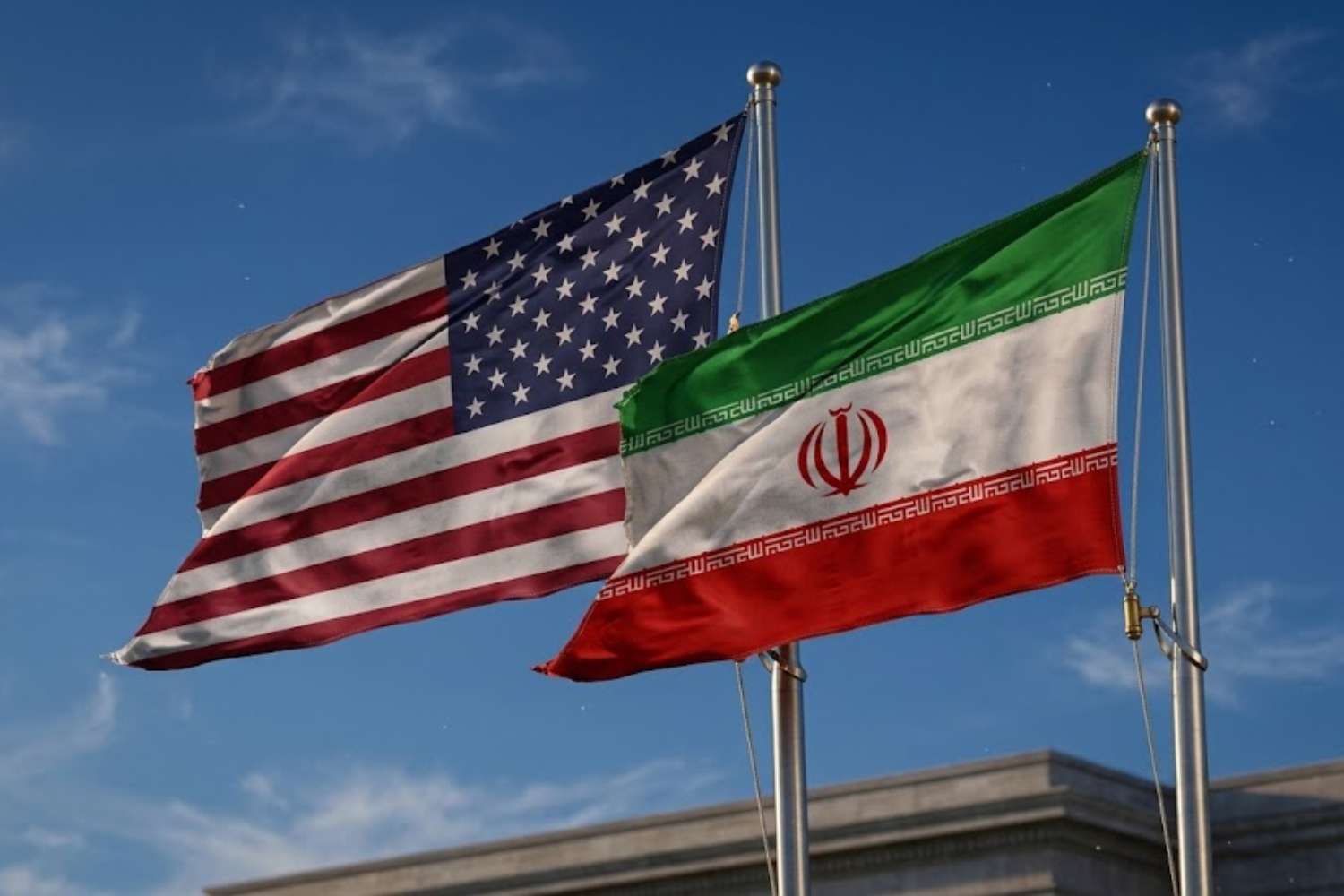


The US Iran roadmap to a final deal within 60 days was agreed at talks in Switzerland on Sunday, 21 June 2026, with negotiators forming dedicated working groups to carry the process forward.
The roadmap follows weekend negotiations at the Bürgenstock resort, where mediators Qatar and Pakistan said a high level committee had agreed a path to a final settlement within 60 days, as reported by CNBC.
Vice President JD Vance led the United States delegation after arriving in Switzerland on Sunday.
What the US Iran roadmap covers
Under the memorandum, both sides agreed to reopen the Strait of Hormuz toll-free for at least 60 days and to end all hostilities, including in Lebanon, where fighting has continued between Israel and the Iran-backed Hezbollah.
Negotiators also established oversight, sanctions and nuclear working groups to advance the talks.
Iran’s Foreign Minister Abbas Araghchi described the negotiations as having delivered “major progress,” saying Tehran had secured waivers for oil and petrochemical exports, the lifting of the blockade on its ports, the release of some frozen assets and the launch of a reconstruction and development plan.
A $300 billion private investment fund, reported earlier and structured to give both governments an economic incentive to settle, sits alongside the security and sanctions terms now being formalised.
The fund leans on private capital rather than government grants, a point negotiators have stressed to separate it from the reparations Tehran sought in past rounds.
When the US Iran deal could be signed
Technical discussions are expected to continue at the Bürgenstock resort throughout the week as the parties work toward a final agreement within the 60-day window.
Switzerland and South Africa share the same time zone, so the weekend sessions ran on the same clock as Johannesburg readers followed them.
The 60-day timeline gives the process a hard deadline that earlier rounds lacked. Both delegations have signalled they want momentum maintained, with talks set to run daily through the week rather than breaking and reconvening, a structure intended to stop the roadmap stalling before terms are locked in.
Araghchi flagged one early hurdle that could test the framework.
In a post on X, he said the newly established deconfliction mechanism in Lebanon would be the “first real test” of the agreement, underscoring concerns that continued violence there could threaten the wider diplomatic effort.
The next milestone is whether the working groups can convert the roadmap into binding terms before the 60-day clock runs out.
Markets responded cautiously on Monday, 22 June 2026, with oil prices easing as investors weighed the prospect of a durable settlement between Washington and Tehran.