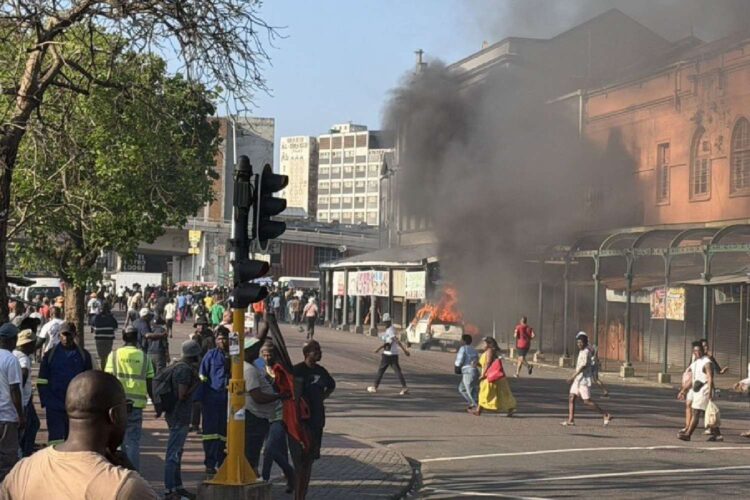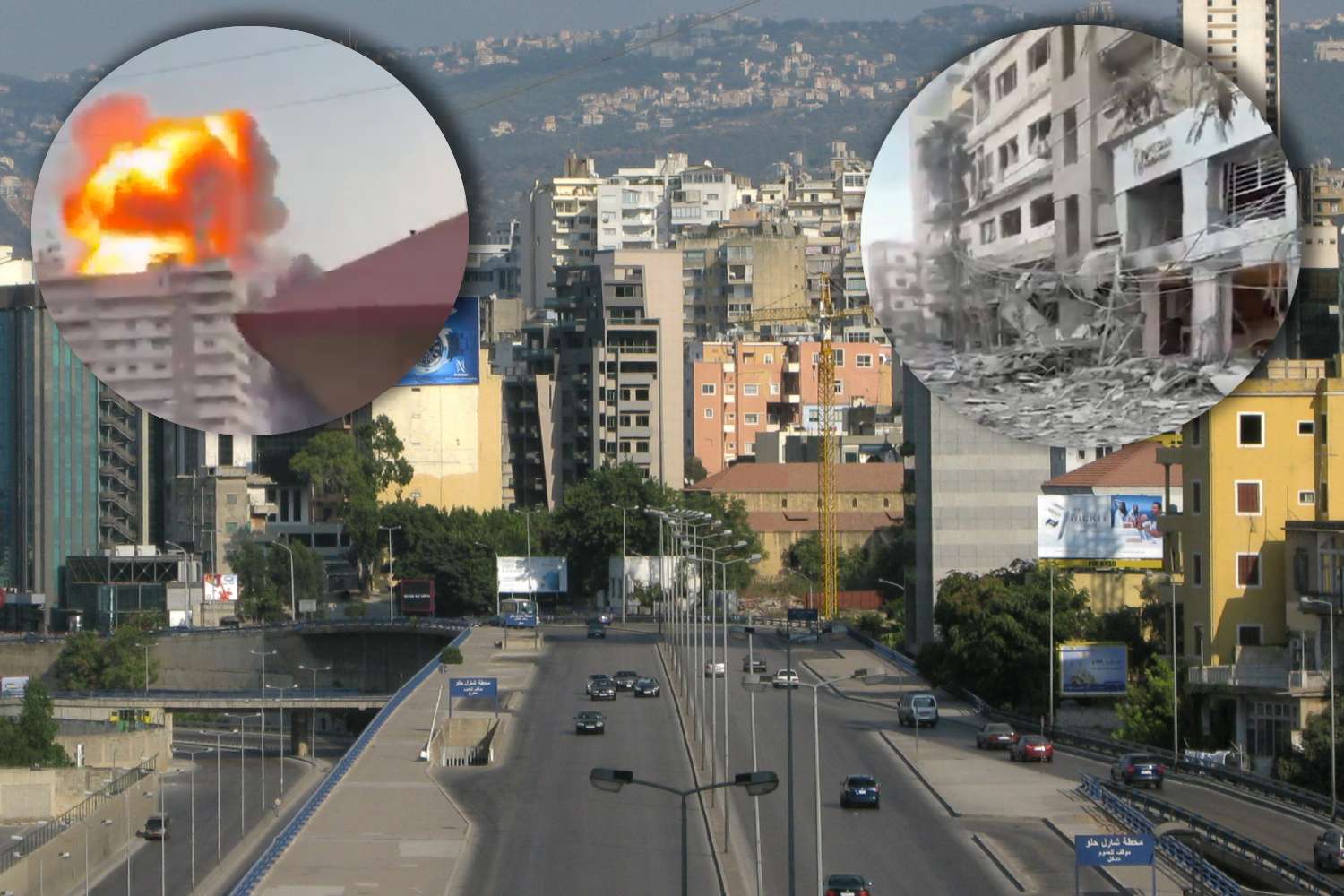


An Israeli soldier was killed in a Hezbollah drone strike in northern Israel on Thursday, 28 May 2026, hours after the Israel Defence Forces launched a wave of airstrikes on Hezbollah infrastructure in Lebanon, as the ceasefire framework between the United States and Iran showed signs of collapse.
Sergeant Rotem Yanai, 20, was killed and two reservists were wounded in an explosive drone attack near Israel’s northern border. The IDF confirmed the attack and identified Yanai as the slain servicewoman.
Separately, the IDF carried out airstrikes on Hezbollah sites in the coastal Lebanese city of Tyre, with reports of a building struck and a fire ignited in the area. As reported by Al Jazeera, the United States also struck an Iranian military site near Bandar Abbas port in the Strait of Hormuz, with Iranian media reporting no casualties from that strike.
Ceasefire under strain as attacks intensify
The military escalation unfolded against the backdrop of a fragile ceasefire between the United States and Iran that has repeatedly threatened to collapse since March 2026, when the current phase of the war began.
US President Donald Trump said at the weekend that a 60-day extension to the existing ceasefire was close to being finalised, but Iranian officials have publicly disputed that characterisation, saying significant disagreements on key points remain unresolved.
Lebanon’s health ministry reported that close to 3,200 people have been killed in Lebanon since the start of hostilities on 2 March 2026, with more than one million people displaced by the fighting.
Kuwait’s military also announced it was responding to missile and drone attacks following the US strike on Iranian territory, extending the scope of the conflict beyond the Lebanon theatre.
The Strait of Hormuz remains a flashpoint, with US and Iranian forces in close proximity in a waterway critical to global oil supply.
What the war means for the region
The 2026 Iran war, as it has been designated by international observers, began following a breakdown in US-Iran diplomatic talks and escalating Israeli operations against Hezbollah positions in southern Lebanon. Israel has maintained that its strikes target military infrastructure only.
Hezbollah and Iranian officials have framed the attacks as violations of the broader diplomatic arrangement, arguing that the US and Israel are acting in bad faith while ceasefire talks remain active.
Iran’s Revolutionary Guard issued a statement suggesting that its assessment of “enemy weakness” made a large-scale new offensive unlikely in the near term, but added that it remained ready to repel any further attacks. That posture falls short of a commitment to de-escalation.
The broader regional risk hinges on whether the US-Iran negotiating channel holds. If it collapses entirely, the conditions for a significant military escalation are in place.
What happens next
Ceasefire negotiations are ongoing in Qatar, where Iranian and US officials have been present for talks. No agreement has been announced as of 28 May 2026.
The next 48 to 72 hours are likely to be significant. If the United States formally abandons the ceasefire extension effort, or if Iran carries out a major retaliatory strike, the conflict would move into a new and more dangerous phase.
The UN Security Council is expected to hold an emergency session on the Lebanon situation later this week.