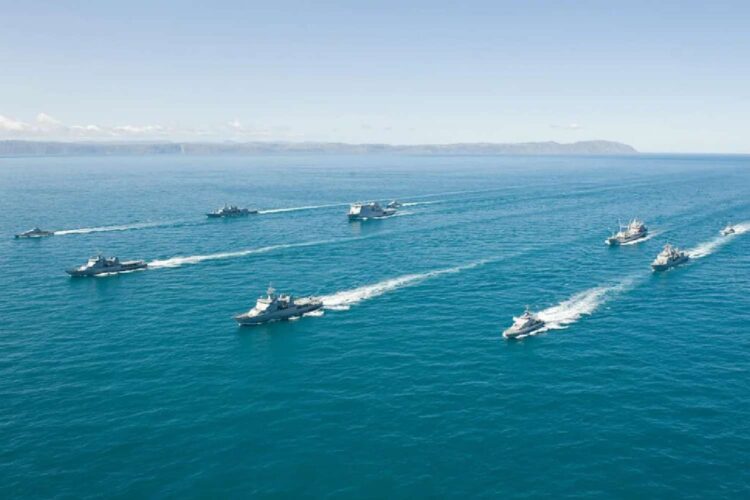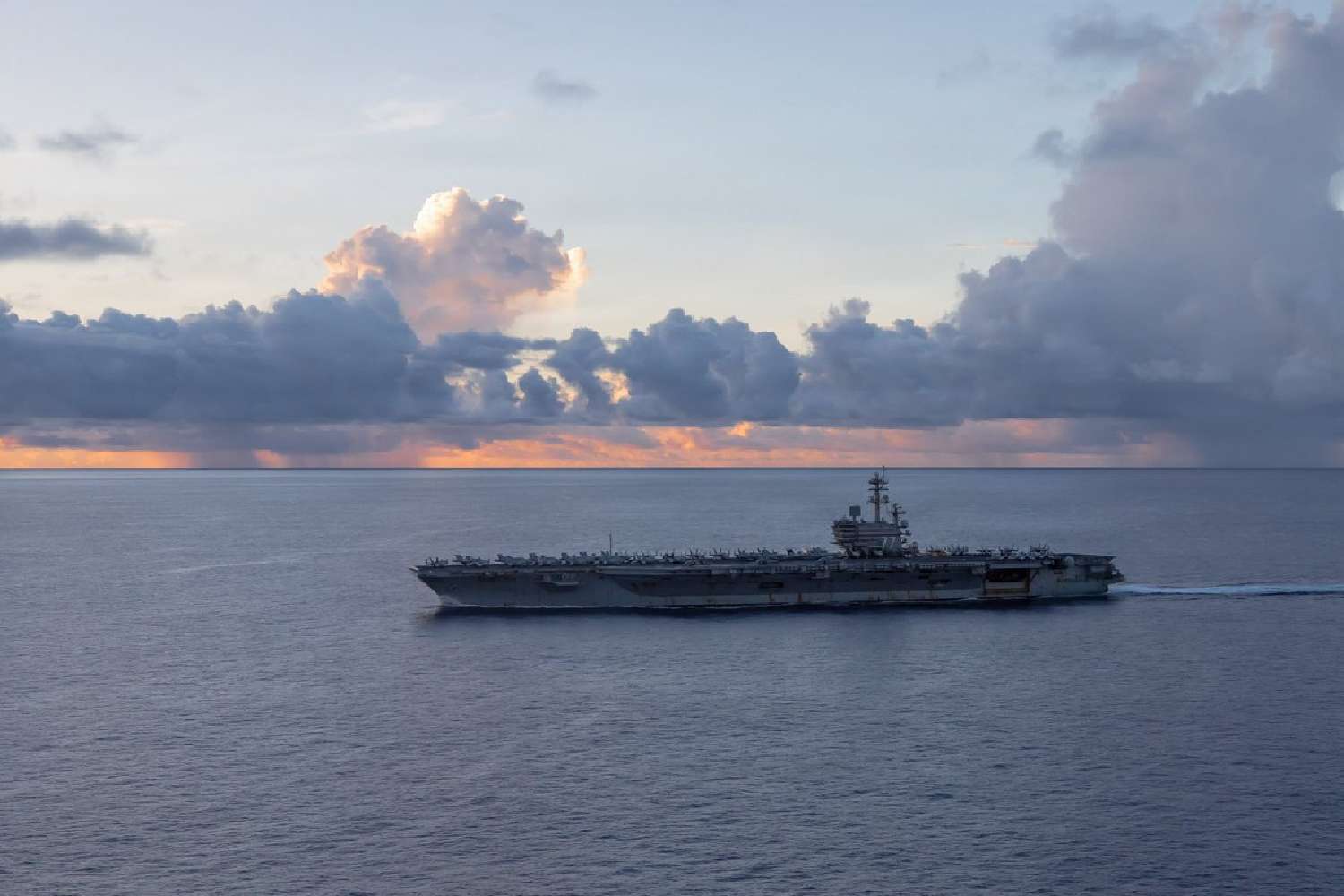


Three US Navy warships came under fire in the Strait of Hormuz on 7 May 2026, prompting American forces to launch retaliatory strikes on Iranian military facilities, in the most serious direct naval exchange of the 2026 Iran war since the ceasefire was reached in April.
The incident threatens to unravel a ceasefire that has been under sustained pressure for weeks, with both governments repeatedly accusing the other of violations.
For South Africa, which has been shielded from the worst of the resulting fuel price spike by a government levy reduction, any full resumption of hostilities would signal further economic pain.
What happened in the Strait of Hormuz
The three destroyers involved, USS Truxtun, USS Rafael Peralta and USS Mason, were transiting from the Strait of Hormuz toward the Gulf of Oman when Iranian forces launched missiles, drones and small boats against them, as reported by CNN.
US Central Command said American forces responded with self-defence strikes targeting Iranian missile and drone launch sites, command and control positions, and intelligence and surveillance infrastructure. No US assets were struck.
Iran’s account of the exchange differs materially. Iranian state media said its forces reacted after the US Navy targeted an Iranian oil tanker in Iranian territorial waters, and alleged that American aircraft also struck civilian areas including Qeshm Island, as reported by Al Jazeera.
Both sides claim the other initiated hostilities.
Trump calls it a ‘love tap’ as ceasefire uncertainty deepens
President Donald Trump told reporters that the ceasefire remains in effect, describing the American strikes as “just a love tap.” The remarks did little to resolve the ambiguity, with no joint statement from Tehran confirming the ceasefire’s continued standing.
The April agreement has been repeatedly tested since its announcement, with incidents including Iran’s May 4 missile and drone attack on the UAE oil infrastructure at Fujairah recorded as ceasefire violations by one side or the other.
The 2026 Iran war began on 28 February when the United States and Israel launched coordinated airstrikes on Iran, assassinating several senior Iranian officials.
Iran’s subsequent closure of the Strait of Hormuz in April drove global crude prices above $120 per barrel. The waterway handles roughly a fifth of the world’s daily oil supply.
South Africa, heavily reliant on imported crude, responded to the resulting price shock with a temporary reduction in the general fuel levy, jointly announced by Finance Minister Enoch Godongwana and Mineral and Petroleum Resources Minister Gwede Mantashe. That relief has since been extended beyond its original May deadline.
What comes next
Whether the May 7 exchange triggers a formal collapse of the ceasefire or is absorbed into the ongoing pattern of mutual accusations will become clear in the coming days.
Iran has not issued a detailed response to US Central Command’s version of events, and no diplomatic framework for formal talks between the two governments is currently in place.