

Israeli Defence Minister Israel Katz has ordered the military to use full force in Lebanon, including from the air, even during the 10-day Trump-brokered ceasefire, while satellite imagery has revealed the systematic demolition of Lebanese villages along the southern border in a sharp escalation that has drawn international condemnation and renewed scrutiny of South Africa’s ICJ case against Israel.
The statement by Katz on Sunday, 19 April 2026, came as the Israeli Defence Forces continued ground operations in southern Lebanon involving five brigades, despite a ceasefire announced by United States President Donald Trump on 16 April following negotiations with Israeli Prime Minister Benjamin Netanyahu and Lebanese President Joseph Aoun.
The fragile truce has been repeatedly violated by both sides, according to the Lebanese military, with incidents reported in Khiam and Bint Jbeil.
Katz Orders “Full Force” Regardless of Truce Status
Katz made his position explicit in a statement that left no ambiguity about Israel’s operational posture in Lebanon.
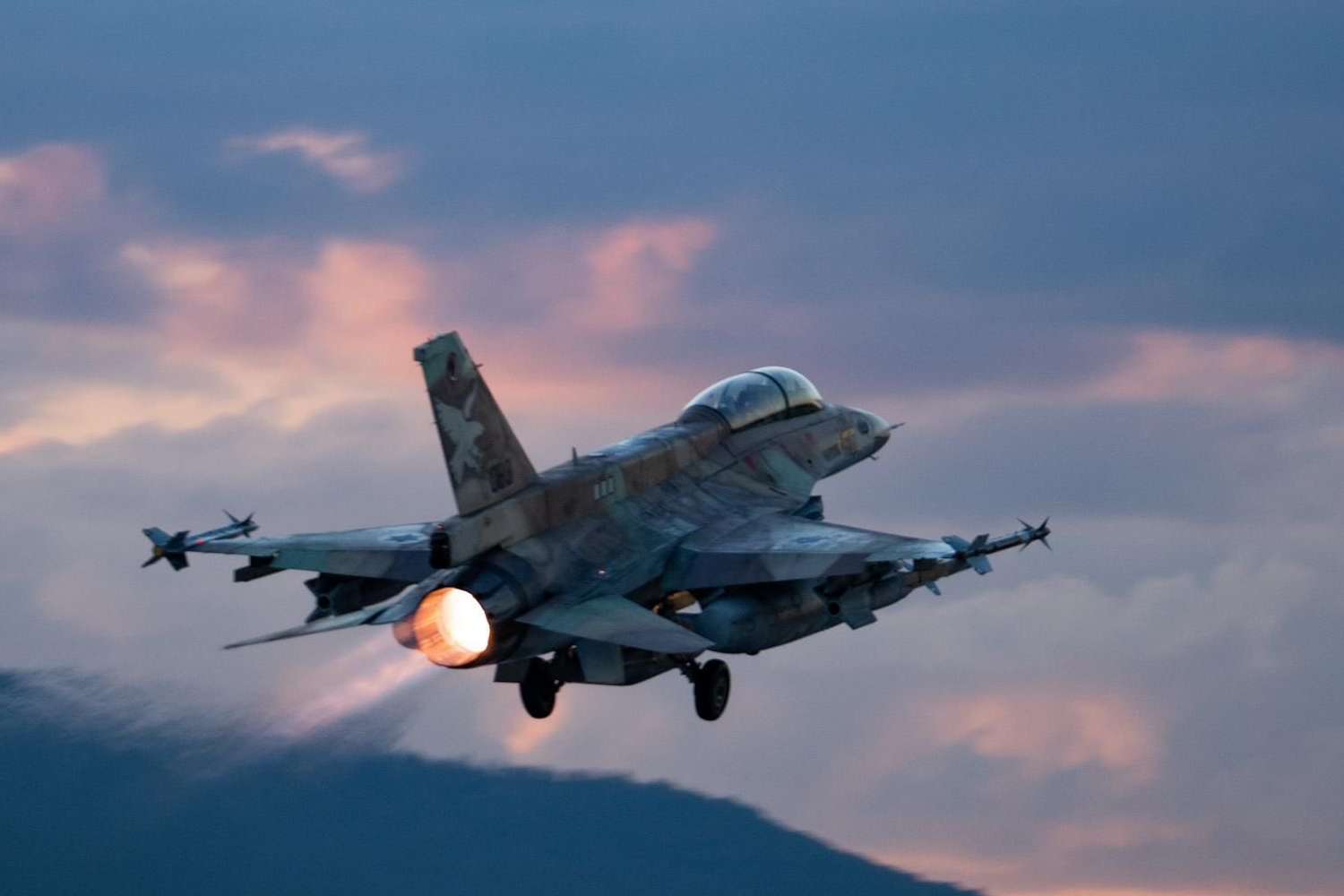
“Prime Minister Benjamin Netanyahu and I have instructed the Israeli army to act with full force, both on the ground and from the air, including during the ceasefire, in order to protect our soldiers in Lebanon from any threat,” Katz said, adding that the military had been ordered to demolish any structures or roads that were “booby-trapped” and posed a threat to troops.
The minister further stated that Israel intended to remove homes in villages near the border that it designated as Hezbollah outposts threatening Israeli communities in the north of the country.
Satellite images cited by BBC reporting have revealed the scale of the demolitions, showing entire residential blocks in southern Lebanese villages systematically flattened since the escalation began in early April.
Unprecedented Scale of Destruction Since March
The current round of hostilities began in early March 2026. According to the Lebanese government, Israel’s military campaign since 2 March has killed more than 2,000 people in Lebanon, including health workers and journalists, and injured a further 6,588 people.
A combined air and ground assault designated “Operation Eternal Darkness” on 8 April struck more than 150 targets across Lebanon in a 10-minute onslaught, killing at least 303 people and wounding more than 1,150 others according to Lebanese health authorities.
A group of United Nations human rights experts issued a scathing condemnation of the operation in a formal statement to the OHCHR.
“Israel has chosen the very moment a ceasefire was announced to unleash the largest coordinated wave of strikes on the country since 1980. This is not self-defence. It is a blatant violation of the UN Charter, a deliberate destruction of prospects for peace, and an affront to multilateralism and the UN-based international order,” the experts stated, urging all member states to suspend arms transfers to Israel.
More than one million Lebanese civilians have been displaced, approximately one in five of the country’s population, since the current phase of the conflict began.
What This Means for South Africa’s ICJ Case
South Africa is among the most vocal governments challenging Israel’s conduct in international law proceedings, having brought a genocide case against Israel at the International Court of Justice related to Gaza.
The extension of Israeli military operations into Lebanon, including the acknowledged demolition of civilian infrastructure, is expected to feature in ongoing legal and diplomatic proceedings as South Africa continues to pursue accountability through international institutions.
The South African Department of International Relations and Cooperation has not yet issued a formal statement on the latest Lebanese ceasefire violations.
Israel has maintained that its operations target only Hezbollah military infrastructure and that civilian casualties are the result of Hezbollah’s use of civilian areas as military bases, a position that Lebanese authorities and independent observers dispute.