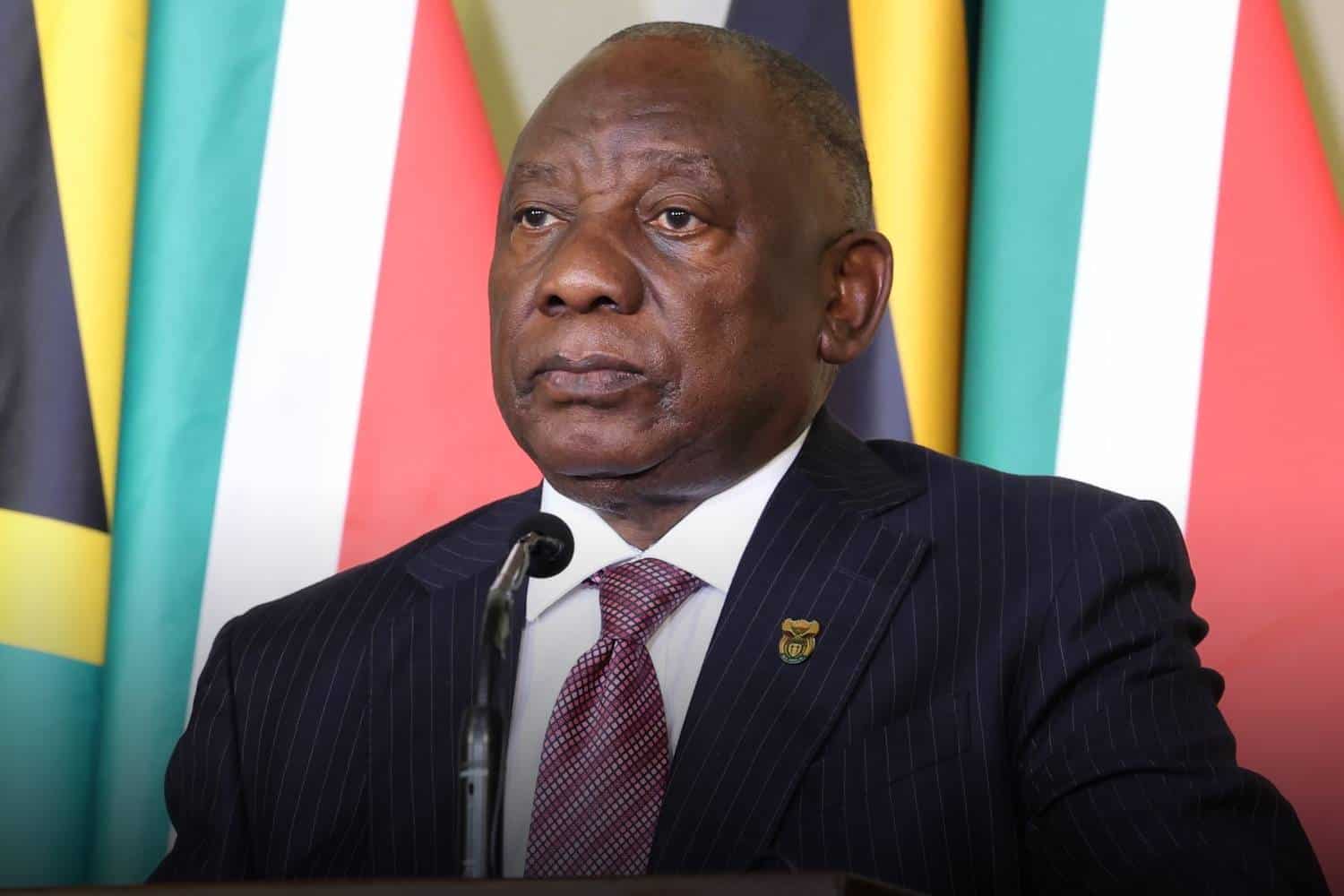


A 31-member parliamentary committee established to consider the impeachment of President Cyril Ramaphosa met for the first time on Monday, 1 June 2026, marking the first occasion in South Africa’s democratic history that a sitting president has faced a formal parliamentary impeachment process.
The committee, which was established following a Constitutional Court ruling in May 2026 that compelled Parliament to act, had only one item on its agenda at the inaugural sitting: the election of a chairperson.
What the Ramaphosa impeachment panel is about
The impeachment process stems from the Phala Phala farm scandal, in which more than US$500,000 was stolen from Ramaphosa’s Limpopo game farm in 2020. The money had allegedly been concealed in furniture on the property.
Former Public Protector Busisiwe Mkhwebane found that Ramaphosa had violated the constitution in his handling of the matter, a finding that formed the basis of the initial impeachment push before years of legal wrangling delayed proceedings.
The Constitutional Court’s ruling in May 2026 ended that delay, compelling Parliament to convene the committee and proceed with the inquiry.
The formation of the 31-member committee followed shortly after, with political parties allocated seats proportional to their representation in the National Assembly.
The political dynamics inside the committee
The ANC holds only nine of the 31 seats on the committee, reflecting its reduced majority in Parliament following the 2024 elections.
This means the ruling party cannot control the process independently and would require opposition support to protect the president from any adverse outcome.
The ANC was lobbying for Dorris Mpapane to chair the committee, but no opposition party was expected to support her appointment. The Democratic Alliance indicated it would not nominate a DA candidate for the position and signalled willingness to support Build One South Africa leader Mmusi Maimane as a compromise candidate acceptable to multiple parties.
The chairperson election is expected to determine the tone and direction of the entire proceeding.
What happens next in the Ramaphosa impeachment process
Following the election of a chairperson, the committee will set out a programme of work that will include examining the evidence against the president and determining whether the allegations constitute conduct serious enough to warrant impeachment.
Legal challenges from Ramaphosa’s legal team remain possible at various stages, as his lawyers have previously sought to have the entire process set aside. The inquiry is expected to unfold over several months.