

South Africa’s migration crackdown has removed more than 53 000 foreign nationals since early June 2026, the government confirmed on Sunday, 12 July 2026, in one of the country’s largest immigration enforcement drives in years.
The figure of 53 449 people processed for deportation or voluntary repatriation, as reported by Bloomberg, is more than double the roughly 25 000 who had left or been removed before nationwide anti-migrant protests on Tuesday, 30 June 2026.
Malawian nationals made up more than 80% of the total.
What the migration crackdown has delivered so far
Justice Minister Mmamoloko Kubayi, who chairs the inter-ministerial committee driving the effort, said 53 449 foreign nationals had been processed as of the close of business on Saturday, 11 July 2026.
Zimbabwean and Mozambican citizens followed Malawians as the most affected groups in the operation.
Kubayi framed the operation as consistent with the country’s constitutional duties.
“South Africa remains committed to enforcing its immigration laws, strengthening border management, protecting communities, combating crime, and upholding the dignity and rights of all people,” she said.
Home Affairs Minister Dr Leon Schreiber tied the operation to a wider overhaul of the immigration system.
“The Home Affairs at Home reforms are about building an immigration system that works from beginning to end,” he said, pointing to an Electronic Travel Authorisation and additional frontline officers deployed to enforce lawful entry.
Warnings over vigilante searches for undocumented migrants
Authorities warned that members of the public conducting house-to-house searches for undocumented migrants would face prosecution. Officials said 205 criminal cases linked to intimidation, incitement and unlawful conduct had been registered, resulting in 350 arrests.
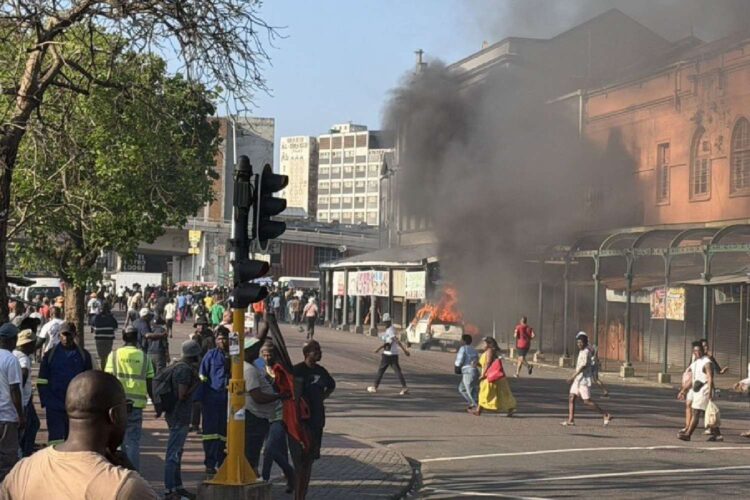
The warning followed weeks of protests marked by violence, intimidation and looting in several communities.
Undocumented migration has long been a flashpoint in South African politics, straining relations with neighbouring states whose citizens make up the bulk of those being processed.
The government has cast the current drive as lawful enforcement rather than xenophobia, even as rights groups watch closely for abuses during the fast-tracked removals.
Where the migration crackdown goes next
The pace marks a sharp escalation from earlier in the year, when removals moved more slowly through the courts and detention system.
Doubling the tally within roughly five weeks points to streamlined processing and voluntary departures, with many people choosing repatriation over prolonged detention as enforcement intensified across provinces.
Officials expect the numbers to climb as repatriations and deportations continue through the coming weeks.
With the inter-ministerial committee still coordinating enforcement and border technology being rolled out, the next official update will show whether the pace set since June holds or eases as protest pressure subsides.