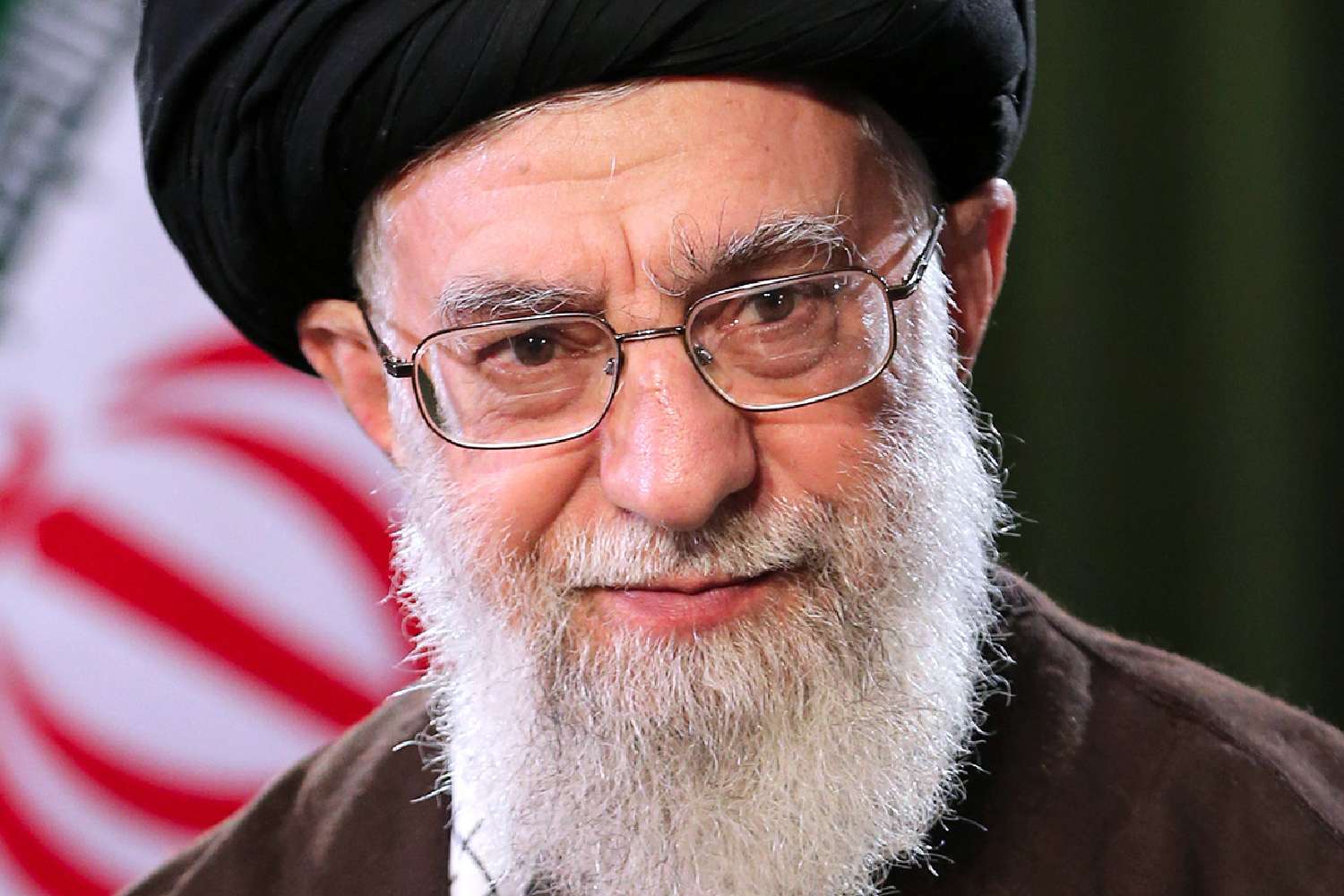


Iran began the Ali Khamenei funeral on Saturday, 4 July 2026, opening six days of state mourning for the supreme leader killed in the war with the United States and Israel, with millions of mourners expected.
The funeral opened on Saturday morning with Khamenei’s coffin displayed in Tehran, four months after he was killed on Saturday, 28 February 2026 in the opening strikes of the war, as reported by Al Jazeera.
Iranian officials expect between 15 and 20 million people to join the processions.
Inside the Ali Khamenei funeral processions
Thousands of mourners carrying red banners gathered in the courtyard of Tehran’s Grand Mosalla ahead of the coffin’s arrival.
Many chanted “death to America” and “revenge, revenge” as they waited, setting a defiant tone for a state occasion that authorities say will be the largest funeral in Iran’s history.
Foreign officials from more than 30 countries are due to attend, with top dignitaries paying their respects on Friday as Khamenei lay in state. The turnout gives the funeral a diplomatic dimension, drawing allies and partners of Tehran into a public display of solidarity during the pause in fighting.
Commemorations began in Tehran and will run for three days in the capital before moving on, with the main procession set for Monday, 6 July 2026.
The rites then continue across the Iranian cities of Qom and Mashhad and into the Iraqi shrine cities of Najaf and Karbala before burial.
What the Ali Khamenei funeral means for the war
The funeral doubles as a show of force. Major-General Amir Hatami, commander-in-chief of Iran’s armed forces, told the gathering:
“With a firmer resolve we declare to the enemies of the Iranian nation, America and the criminal Zionist regime, that we will avenge the blood of the martyred leader.”
Khamenei had led Iran since 1989, holding ultimate authority over the state, the armed forces and the judiciary across more than three decades.
His death in the opening hours of the war removed the figure who had defined the Islamic Republic’s posture toward the West, leaving a succession question the leadership has yet to fully settle.
The mourning period arrives at a delicate moment in the conflict. Indirect talks between Tehran and Washington, mediated by Qatar and Pakistan, were reported to have made positive progress this week before being paused for the funeral.
The next round is expected once the processions conclude.
What happens next after the Ali Khamenei funeral
Once the processions end and Khamenei is buried, attention turns to whether the paused negotiations can resume and hold.
The scale of the mourning, and the vows of revenge voiced at it, will shape how Iran’s leadership approaches the next talks and how far the fragile diplomatic opening can stretch.