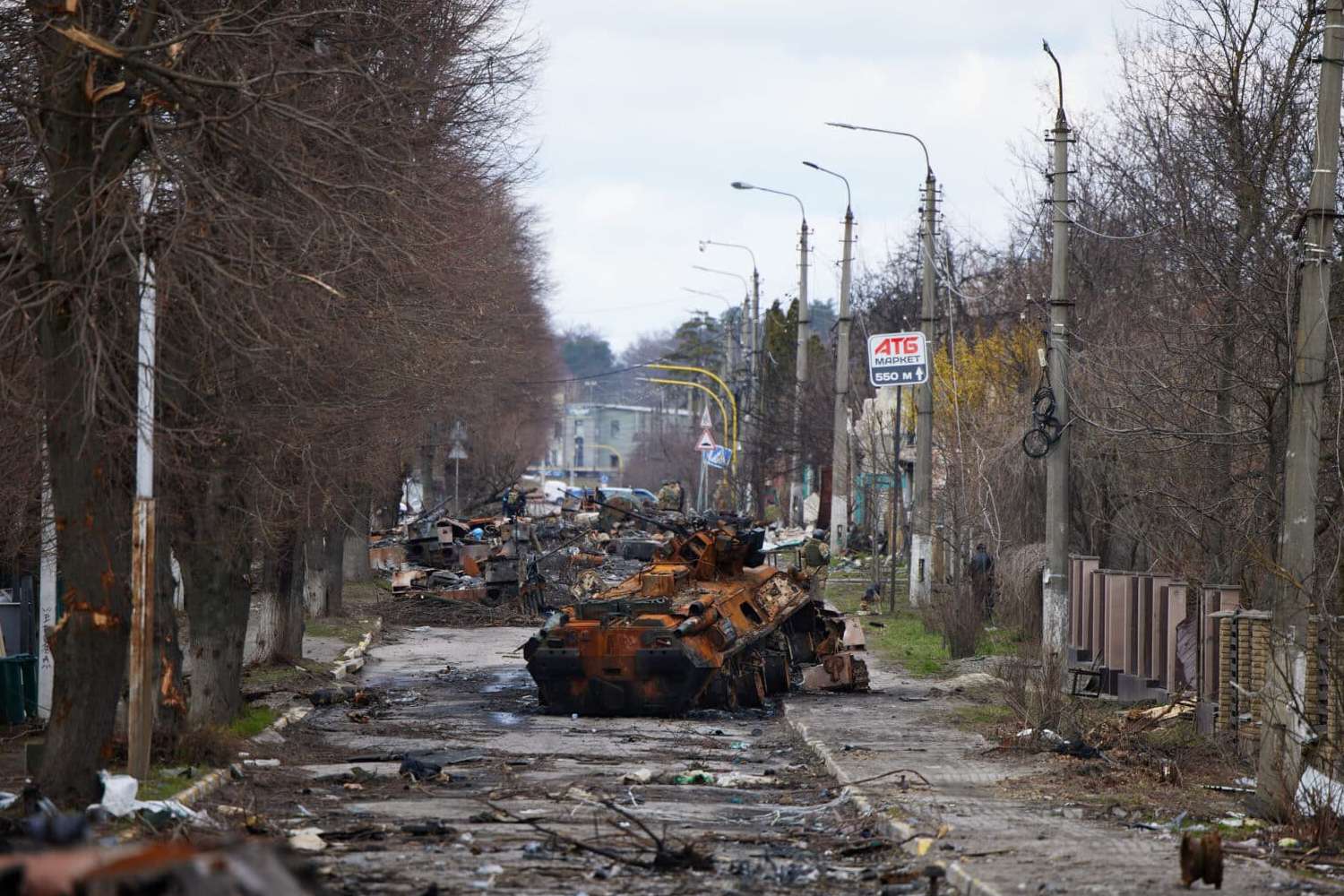


A massive Russian strike on Kyiv has killed at least 27 people and injured more than 100, Ukrainian officials confirmed, after an 11-hour barrage of missiles and drones battered residential districts of the capital overnight.
The assault was the deadliest single attack on the Ukrainian capital in months, as reported by CNN, with sirens sounding from around 20:00 local time [19:00 SAST] on [Wednesday, 1 July 2026] and continuing well into the following morning.
Tymur Tkachenko, head of the Kyiv city military administration, confirmed the casualty figures.
What we know about the Russian strike on Kyiv
Ballistic missiles and drones struck dozens of sites across the city, most of them ordinary residential buildings, alongside an ambulance station, a research institute and a hotel.
The worst-hit area was the Darnytskyi district, where part of a nine-floor apartment block collapsed and left residents trapped beneath the rubble.
Kyiv mayor Vitali Klitschko posted on Telegram as the attack unfolded, writing that “Kyiv is under attack from ballistic missiles and UAVs.”
He described the onslaught as the “enemy’s most massive attack on the capital” and announced a full day of mourning across the city for [Friday, 03 July 2026].
The strike ranked among the heaviest single nights since Russia’s full-scale invasion began in February 2022, part of a summer pattern in which both sides have widened their targets to hit energy and civilian sites far from the front.
Kyiv’s air defences downed many incoming projectiles, but officials conceded the sheer volume overwhelmed parts of the shield.
Why Russia says it launched the attack
Moscow framed the bombardment as retaliation for Ukrainian strikes on its oil sector, which have triggered fuel shortages inside Russia.
Ukrainian forces hit one of the country’s largest refineries in the Nizhny Novgorod region east of Moscow overnight, starting a fire that officials in Russia cited when explaining the scale of their response.
President Volodymyr Zelensky said the raid was long in the making, warning that “Putin has been preparing a massive strike against Ukraine for some time” and adding, “That is exactly the threat we are facing tonight.” He also criticised delays in the delivery of promised Western air defence support.
“If our partners had delivered on their promises in a timely manner, I think we could have saved more homes and lives today,” Zelensky said.
Asked by reporters whether Ukraine would strike back, the president answered simply, “Definitely,” a one-word reply signalling that further exchanges between the two sides are likely.
What happens next
Kyiv observes its day of mourning on [Friday, 03 July 2026] while rescue crews continue searching the collapsed Darnytskyi block for survivors still trapped in the wreckage.
With Zelensky promising a response and Moscow tying its strikes to Ukraine’s refinery campaign, the tit-for-tat pattern defining this phase of the war looks set to intensify.