

Western Cape police are on high alert ahead of the 30 June protest, with deployments planned across all six districts on Tuesday, 30 June 2026, as anti-immigration groups push a nationwide day of action.
The provincial police said deployments are the result of weeks of operational planning, according to the Western Cape SAPS.
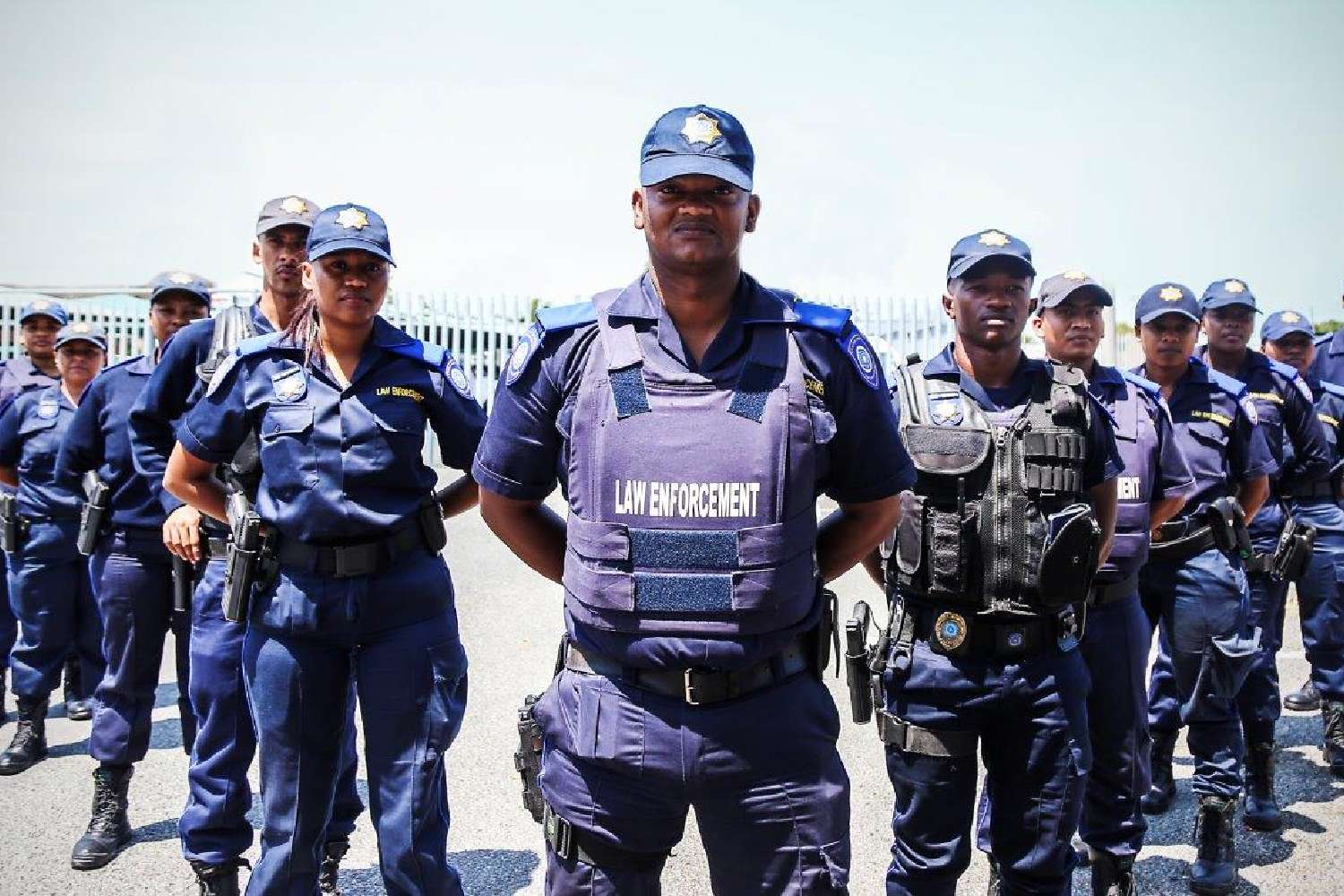
Officers will be stationed on foot, on horseback and in vehicles, with drone and air units covering areas that are harder to reach on the ground.
What police have planned for the 30 June protest
All six districts in the province have activated their joint operational centres, with a provincial command centre coordinating resources and monitoring developments.
The operation draws in multiple agencies, including Home Affairs, Social Development, Health, traffic services, intelligence structures, City of Cape Town law enforcement and metro police.
Community policing forums, consular offices and community organisations form part of the coordination network feeding information to the command centre.
The police said the structures are designed to ensure a fast, coordinated response if any flashpoint develops during the day of action across the province.
What is banned during the protest
Police acknowledged the constitutional right to protest but warned participants to stay within the law.
Demonstrators may not carry dangerous weapons such as sticks, sjamboks, knives, spears or other traditional weapons, and the concealment of faces using masks, balaclavas or scarves is also prohibited.
The police signalled they would respond firmly to any breach. Officers “will not hesitate to take decisive action” where the situation demands it, the provincial police said, adding that detectives are on standby to investigate any cases of violence, intimidation or damage to property.
Police also reminded the public that ordinary citizens have no authority to determine anyone’s legal status in the country, stressing that the responsibility falls to designated government officials.
Residents were urged not to spread unverified claims on social media as tensions rise around the day of action.
Who is behind the 30 June protest
The day of action is driven by a coalition of more than 20 organisations led by the March and March movement and its founder, Jacinta Ngobese-Zuma. The groups have set 30 June 2026 as a deadline for undocumented foreign nationals to leave South Africa.
Their demands include faster deportations, tighter border controls, stricter visa rules and action against businesses that employ undocumented workers.
Ngobese-Zuma has framed the campaign as a push for undocumented migrants to “self-deport” and insists it targets illegal immigration rather than foreign nationals generally.
Organisers have pressed ahead with the protest even after the eThekwini municipality in Durban refused permission for a march there.
Similar action is expected in major centres including Cape Town, Johannesburg, Pretoria and Durban, with organisers publicly calling for peaceful, lawful conduct.
Violence and government response before 30 June
The campaign has alarmed human rights groups because earlier protests in 2026 turned violent.
Foreign-owned shops were attacked and looted in several provinces, and deadly unrest, including violence in the coastal town of Mossel Bay, left people dead and hundreds of foreign nationals displaced from their homes.
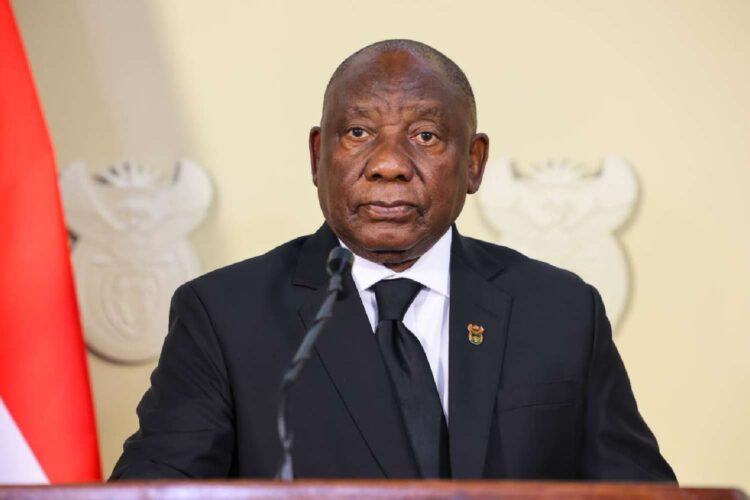
President Cyril Ramaphosa addressed the nation on 7 June 2026, announcing tougher immigration enforcement while condemning vigilante violence.
The unrest has revived memories of the 2008 xenophobic attacks that killed dozens and displaced tens of thousands, raising fears of a repeat if tensions spill over.
What happens after 30 June
The protest is set to unfold on Tuesday, 30 June 2026, with police deployments in place from the early hours.
Organisers have warned that the campaign will not end on the deadline if their demands go unanswered, signalling that pressure on the government is likely to continue beyond the day itself.