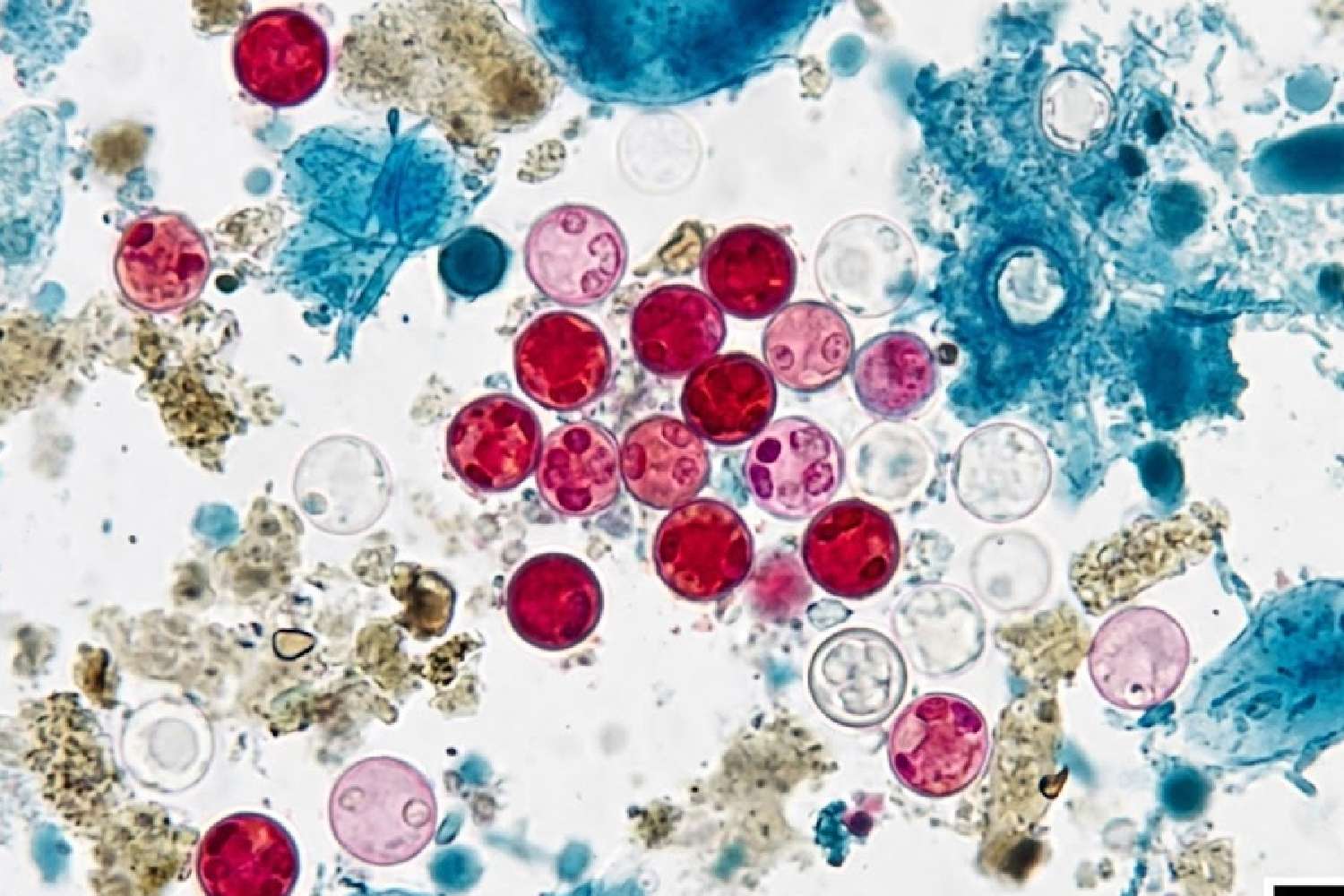


A cyclospora outbreak has now spread to at least 31 US states, with more than 3,000 reported cases of the intestinal parasite as of Friday, 10 July 2026, according to state health department tallies.
The illness, cyclosporiasis, causes diarrhoea, nausea and fatigue, and its source is still being investigated, as reported by NBC News.
Health officials have logged dozens of hospitalisations but no deaths so far.
What the cyclospora outbreak involves
Cyclospora is a microscopic parasite that people pick up by eating food or drinking water contaminated with it. The US Centres for Disease Control and Prevention had recorded 843 confirmed cases by Thursday, though state-level tallies put the real figure well above 3,000.
Symptoms can be miserable and drawn out, with watery diarrhoea, stomach cramps, loss of appetite and tiredness that can linger for weeks if left untreated. Cyclosporiasis is usually cleared with a course of antibiotics prescribed by a doctor.
Cyclosporiasis is not spread directly from person to person, which sets it apart from stomach bugs like norovirus.
Instead, each case traces back to something a person ate or drank, which is why investigators focus so heavily on fresh produce supply chains.
Where the cyclospora outbreak has hit hardest
Michigan has been the epicentre, with 1,562 cases recorded by Friday, 10 July 2026. The parasite has also turned up in neighbouring Ohio and across states including Colorado, Illinois, New York, North Carolina, Texas and Wisconsin, giving it a wide national spread.
Officials have counted 86 hospitalisations nationally and no fatalities, which suggests most people recover, but the sheer number of states involved has put food-safety investigators on alert as they hunt for the contaminated source.
Outbreaks of this kind tend to flare in the warmer months, when fresh herbs, salad leaves and berries move quickly through supply chains.
Past US cyclospora clusters have been linked to imported produce, though nothing has been confirmed in this instance.
How to stay safe during the cyclospora outbreak
Cooking is the most reliable defence. Heating produce to 70 degrees Celsius (158 degrees Fahrenheit) or higher kills the parasite, so thoroughly cooked food carries little risk.
Washing alone does not always remove cyclospora, which is part of what makes fresh produce outbreaks so tricky.
Anyone who has recently eaten fresh salads and is battling persistent diarrhoea may want to raise cyclospora with a doctor, since a specific test is needed to catch it and standard stomach-bug treatment will not clear the parasite.
Investigators have not yet named the food behind the surge, so the case count could keep climbing until the source is identified and pulled from shelves.
For now, the outbreak remains active across more than half of the United States as health teams trace its origin.