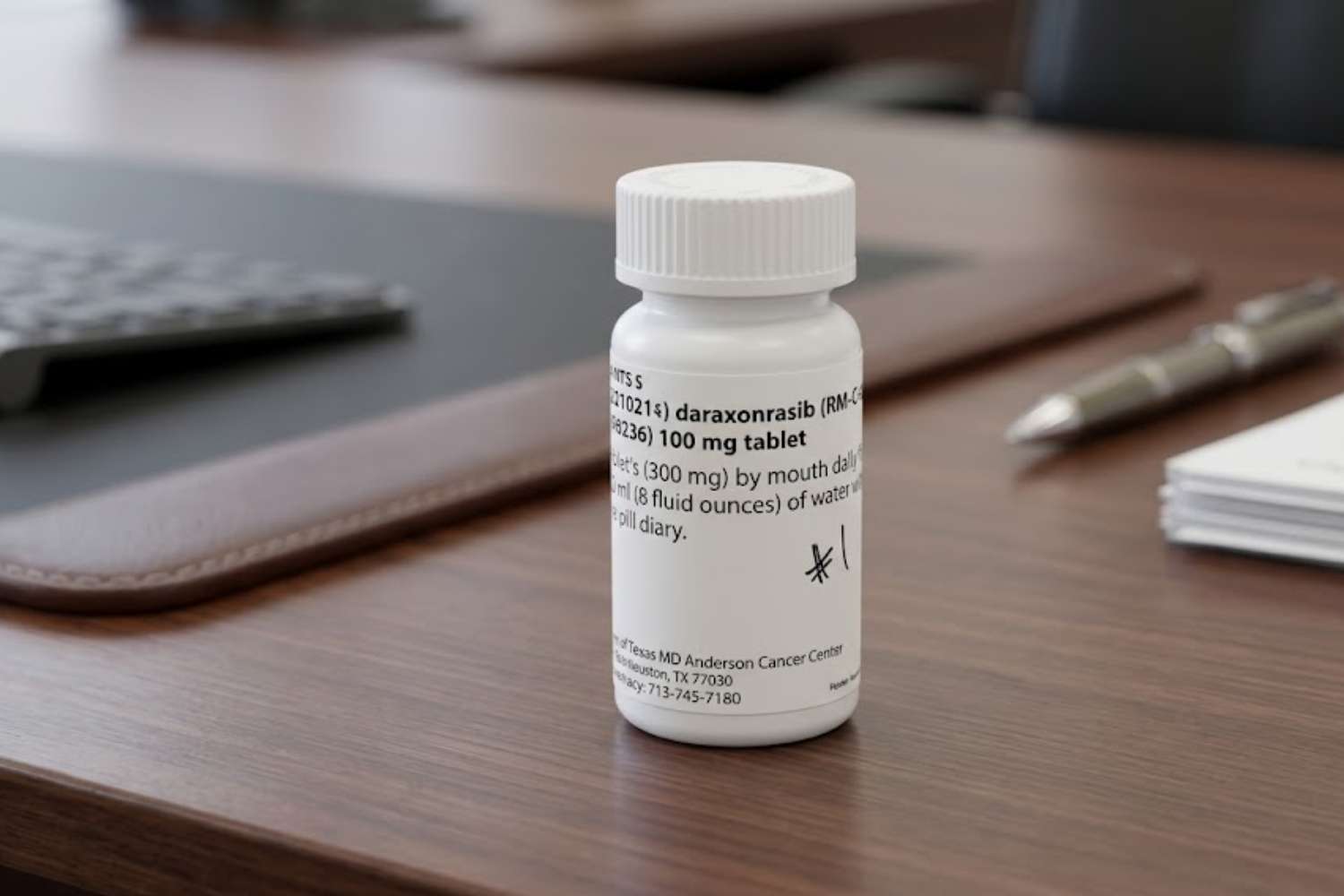


An experimental drug called daraxonrasib has nearly doubled survival times in patients with advanced pancreatic cancer, according to Phase 3 trial results presented at the American Society of Clinical Oncology annual meeting on Sunday, 31 May 2026.
The findings, simultaneously published in the New England Journal of Medicine, represent what researchers are calling a significant breakthrough in a disease historically resistant to treatment.
As reported by CBS News, patients treated with daraxonrasib had a median overall survival of 13.2 months, compared with 6.6 months for patients who received standard chemotherapy.
How daraxonrasib performed in the Phase 3 trial
The Phase 3 trial, named RASolute 302, was conducted by Revolution Medicines, the pharmaceutical company behind the drug.
It enrolled patients with previously treated metastatic pancreatic cancer, a form of the disease that has spread beyond the pancreas and has already failed to respond to earlier treatment lines.
The drug works by blocking a mutated protein called KRAS, which drives tumour growth in more than 90% of pancreatic cancer cases.
KRAS has been described as one of the most elusive and difficult targets in oncology for decades, making the trial results particularly significant for the field.
The science behind the pancreatic cancer breakthrough
Daraxonrasib belongs to a class of drugs called multi-selective RAS(ON) inhibitors, designed to target the active, tumour-driving form of the KRAS protein.
Previous attempts to inhibit KRAS had largely failed due to the protein’s structure, and the emergence of viable inhibitors represents a major shift in the treatment landscape.
Researchers presenting at ASCO 2026 described the RASolute 302 results as a grand slam for the field.
Beyond pancreatic cancer, early data from other studies suggests the drug may also prove effective in lung, colon and ovarian cancers where KRAS mutations are similarly prevalent, broadening its potential clinical impact.
What comes next for daraxonrasib
The drug has not yet received approval from the United States Food and Drug Administration.
Revolution Medicines has stated it intends to submit the RASolute 302 data to the FDA to support a new drug application for daraxonrasib as a treatment for previously treated metastatic pancreatic adenocarcinoma.
The submission timeline has not been specified, but regulatory submissions following major Phase 3 results at conferences of this profile typically occur within months of the data presentation.
If approved, daraxonrasib would become the first RAS inhibitor cleared for use in pancreatic cancer, a disease that kills the vast majority of patients within twelve months of a metastatic diagnosis.
Pancreatic cancer currently has a five-year survival rate of approximately 13% across all stages, one of the lowest of any cancer type.
The RASolute 302 results do not alter that overall figure yet, but they represent the most meaningful movement in metastatic treatment outcomes the disease has seen in years.