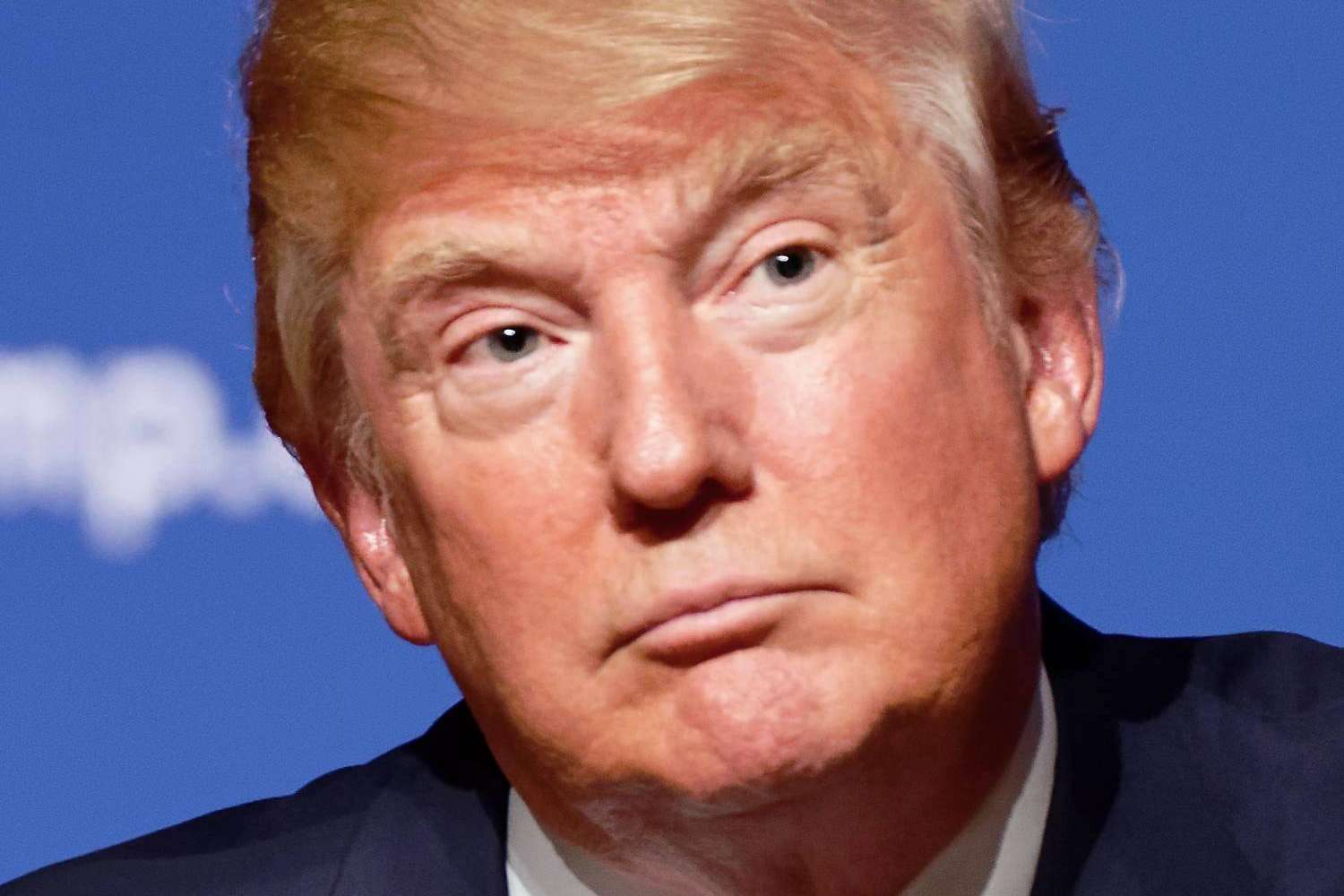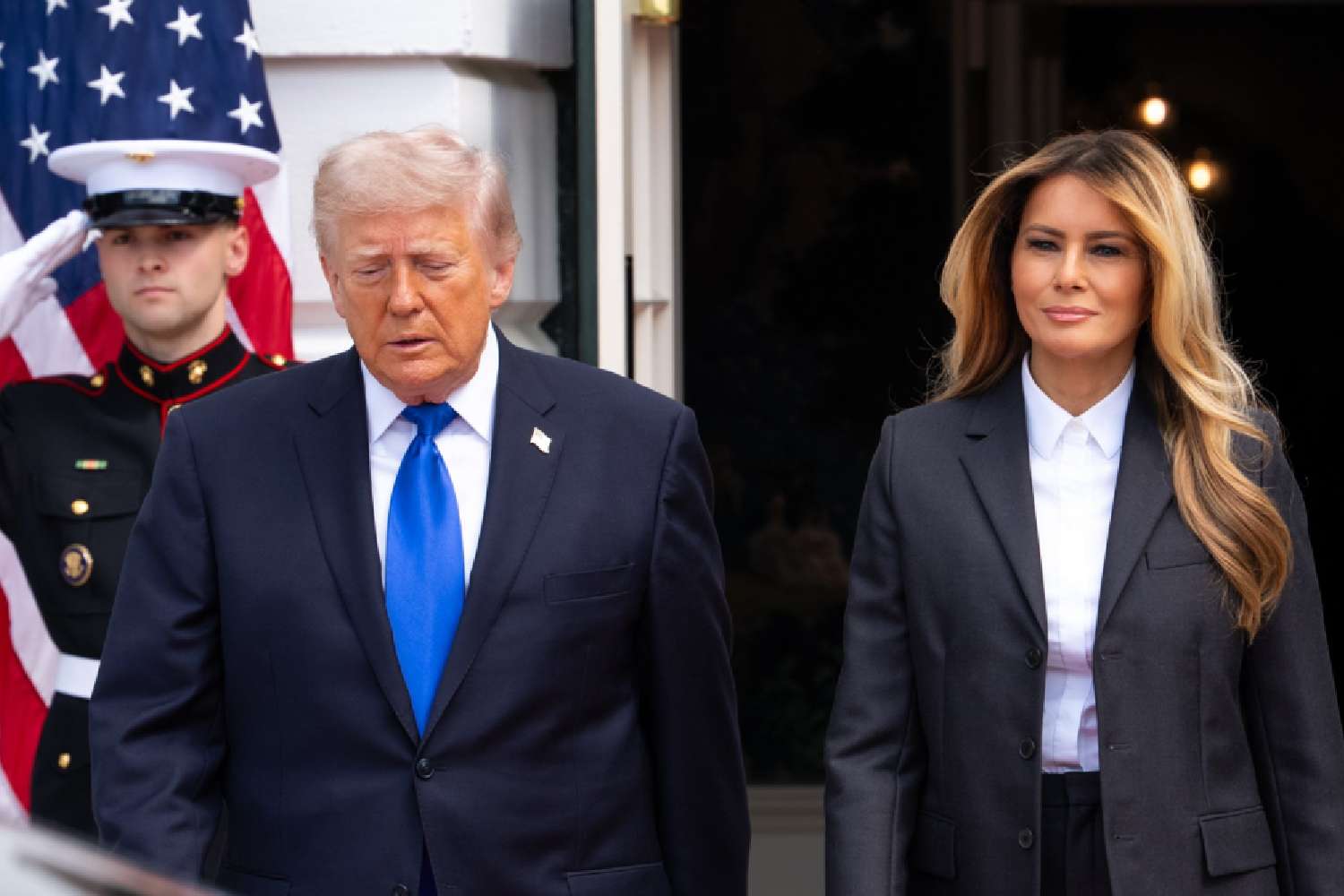

United States President Donald Trump is to be briefed on new military options to break a months-long standoff over the Strait of Hormuz, as the price of Brent crude oil climbed to approximately $108 a barrel on 1 May 2026, nearly 50% above its level when the US-Iran conflict began in late February.
The Strait of Hormuz, through which approximately 20% of the world’s oil supply passes, has been effectively closed since Iran moved to restrict shipping in retaliation for a joint US-Israeli military assault launched in late February 2026.
The prolonged disruption has sent global energy prices surging and triggered economic anxiety among oil-importing nations, including South Africa, where the impact has fed directly into a confirmed petrol price increase of approximately R2.09 a litre taking effect on 6 May.
Where the Iran standoff stands today
Iran has offered to reopen the Strait on the condition that the United States lifts its blockade of Iranian ports and ends its military engagement in the region, with discussions on Iran’s nuclear programme to be deferred.
Trump told advisers he is not satisfied with the offer, as reported by NBC News and the Washington Post on 30 April and 1 May. A fresh set of options for breaking the deadlock, including possible military escalation, will be presented to the president in the coming days.
The US launched a counter-blockade of Iranian ports in response to Iran’s interference with commercial shipping.
Trump told reporters the blockade “is working well” and that a resolution could come “very soon,” though no timeline has been provided. The United Arab Emirates, one of the region’s most economically exposed states, is reported to be seeking a currency swap line from Washington as it manages uncertainty over foreign-held deposits.
What four-year oil highs mean for South Africa and the Iran standoff
Oil markets have priced in sustained disruption with unusual speed. Brent crude has risen from roughly $72 a barrel at the start of the conflict to above $108, its highest level in four years, according to Al Jazeera.
The rand’s relative weakness against the US dollar has amplified the impact for South African consumers, since the country imports all its refined fuel and pays for it in dollars.
The South African government extended a temporary fuel levy reduction of R3 a litre until 2 June 2026 in partial mitigation, but National Treasury has confirmed the relief is scheduled to end in July.
Analysts have warned that if the Hormuz standoff remains unresolved and the rand does not recover materially, further fuel price increases are likely in the months that follow.
The pace of a resolution remains entirely dependent on whether Trump accepts a negotiated settlement or opts for a harder military posture.
Both options carry significant risks for global oil supply, with some analysts warning that any further escalation inside the Strait could extend the disruption well beyond current forecasts.