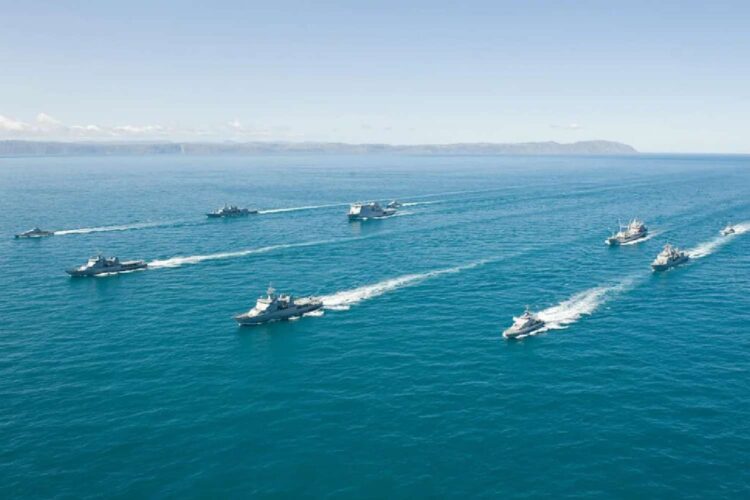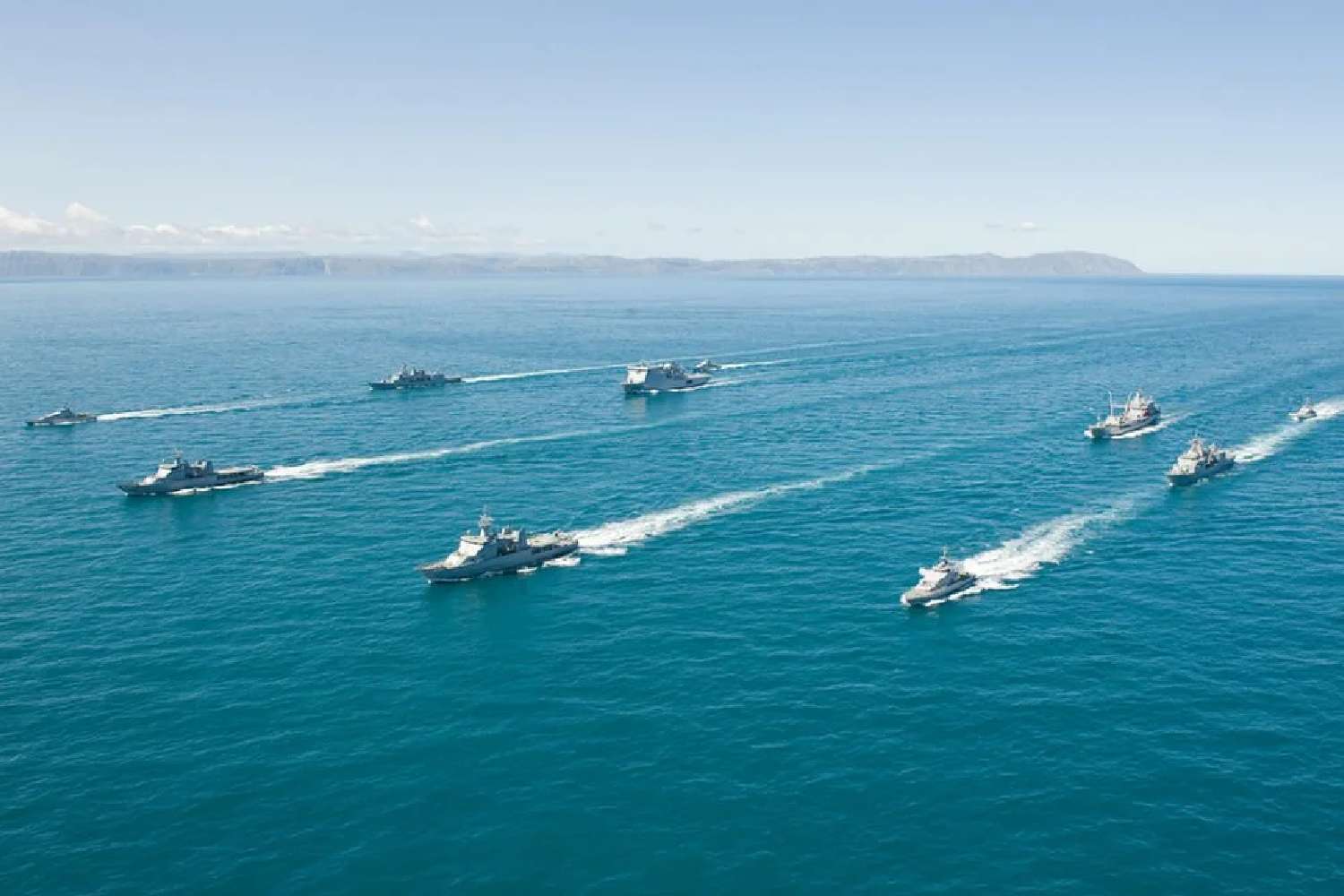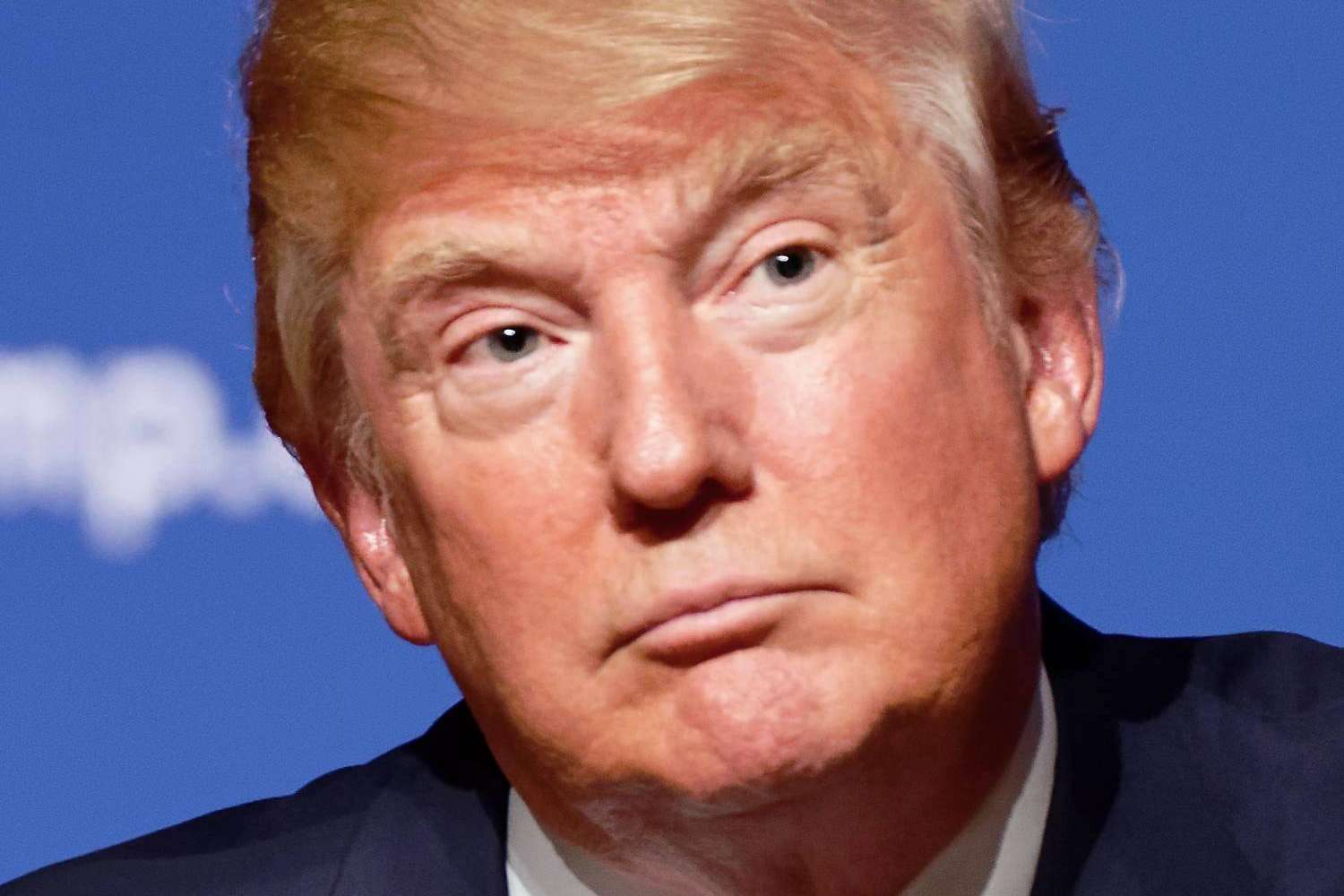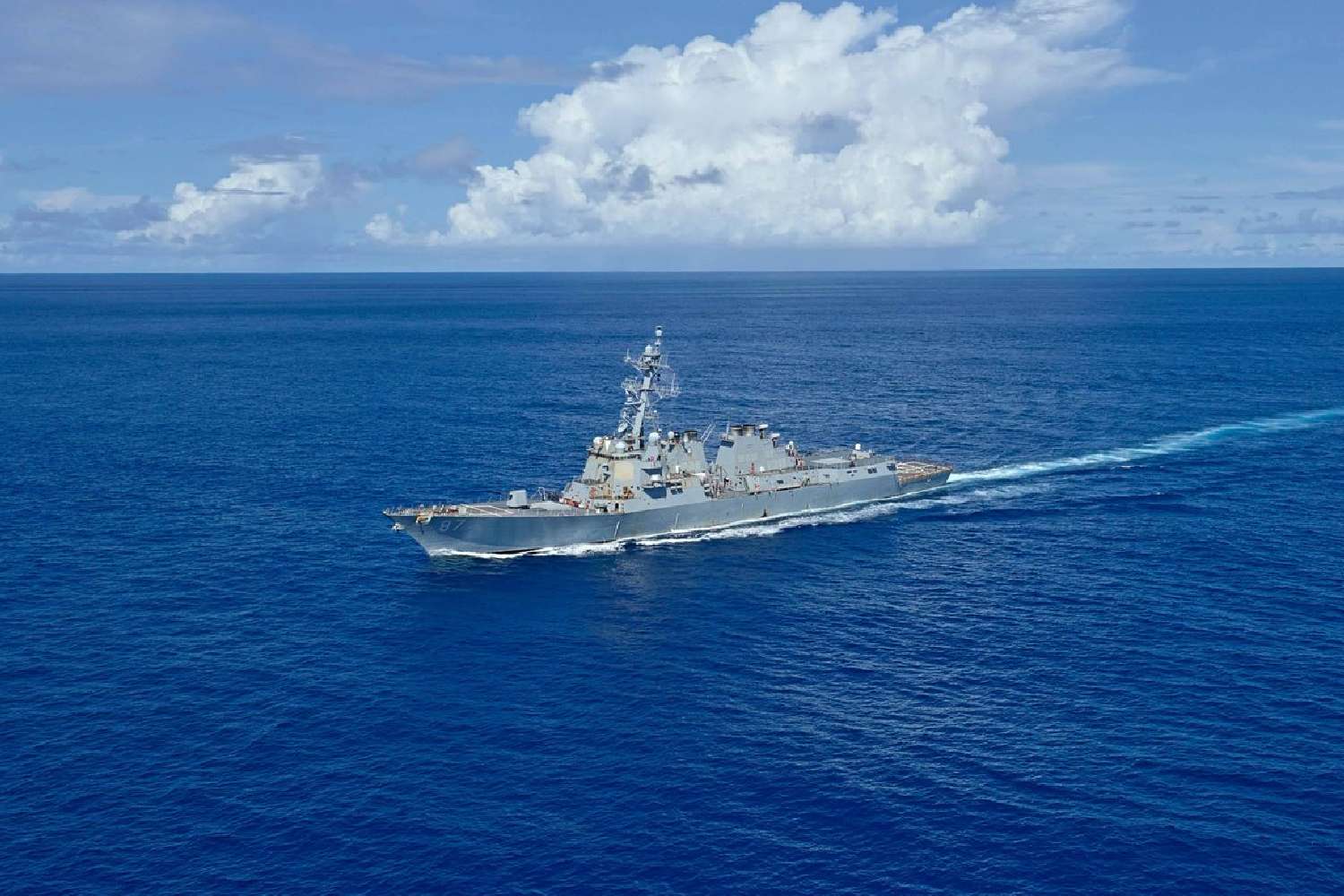


US President Donald Trump said on Friday that the American Navy was acting “like pirates” in enforcing Washington’s naval blockade of Iranian ports, defending a military operation that has been in place since 13 April 2026 as part of the ongoing US-Israel war against Iran.
The blockade, ordered by Trump and placed under the command of Admiral Brad Cooper at United States Central Command, covers what CENTCOM describes as “the entirety of the Iranian coastline.”
Any vessel entering or departing Iranian ports without authorisation is, per CENTCOM’s statement, “subject to interception, diversion, and capture.”
The seizures and what Trump said
The first direct action under the blockade occurred on 19 April when the 31st Marine Expeditionary Unit and the destroyer USS Spruance seized the Iranian-flagged vessel Touska, as reported by CBS News.
Trump referenced the operation on Friday in characteristically blunt terms.
“We took over the ship, we took over the cargo, we took over the oil. It’s a very profitable business,” he said.
The remarks came as Trump continued to defend the economic rationale for the operation. He has claimed the naval blockade is costing Iran $500 million daily.
A second Iranian vessel was subsequently intercepted after attempting to break the blockade, as reported by Newsweek. Trump’s choice of the phrase “like pirates” drew immediate international attention for its candour about the nature of the military seizures.
Iran’s response and what it means for global shipping
Iran closed the Strait of Hormuz on 18 April in direct retaliation for the US refusal to lift the blockade. Iranian foreign minister Abbas Araghchi described the blockade as “an act of war.”
The Strait of Hormuz handles an estimated 20% of the world’s oil trade, and its closure has contributed to crude prices remaining above $120 per barrel since mid-April.
South Africa, which relies on imported crude, has responded to the resulting price shock with a temporary reduction in the general fuel levy, jointly announced by Finance Minister Enoch Godongwana and Mineral and Petroleum Resources Minister Gwede Mantashe in late March 2026.
That relief has since been extended beyond its original May deadline as the conflict shows no sign of resolution.
Nuclear talks between the US and Iran have been described as stalleda. With Iran’s coastline under active naval blockade, the Strait of Hormuz closed to international shipping, and no diplomatic framework currently in place, the economic pressure on Iran is expected to intensify in the weeks ahead.
Swisher Post is published by I WISH U WUD Publications (Pty) Ltd in Cape Town. About us · Contact