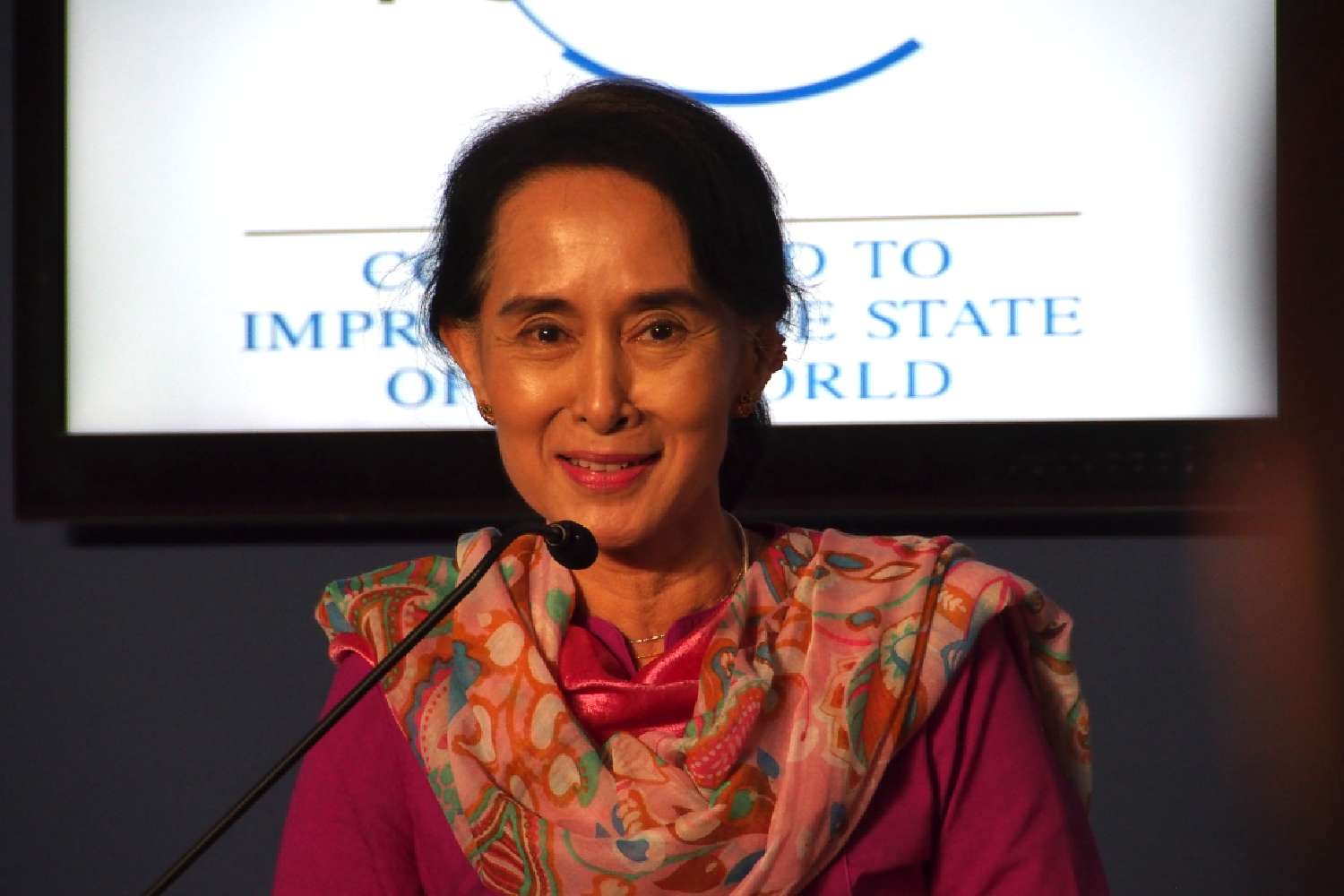


Myanmar’s former leader Aung San Suu Kyi has been moved from prison to house arrest in the capital Naypyidaw, more than five years after the military coup that removed her elected government and imprisoned her on charges her supporters have consistently described as politically motivated.
The transfer was confirmed on 30 April 2026, by Myanmar’s state television. Suu Kyi, who is 80 years old and a Nobel Peace Prize laureate, was moved under a second amnesty issued by junta leader Min Aung Hlaing, who ordered the 2021 coup.
In a statement, Min Aung Hlaing said he had “commuted the remaining sentence to be served at the designated residence,” as reported by CNN and Al Jazeera.
The move reduces her total sentence to 18 years, with more than 13 years still to serve.
How the international community has responded
The United Nations Secretary-General’s spokesman welcomed the transfer as a “meaningful step” towards a “credible political process.”
The response from Suu Kyi’s own family was less conciliatory. Her son, Kim Aris, posted on social media that “Moving her is not freeing her,” describing his mother as remaining a hostage cut off from the outside world.
Burma Campaign UK director Mark Farmaner stated:
“Moving Aung San Suu Kyi isn’t about change or reform, it’s about public relations designed to preserve military rule.”
What changes for Suu Kyi and what does not
House arrest represents an improvement in physical conditions compared to prison, but Suu Kyi’s legal situation and access to the outside world remain restricted.
She retains a sentence of 18 years for convictions that her party, the National League for Democracy, has rejected as fabricated. The location of the designated residence in Naypyidaw has not been made public by the junta.
Suu Kyi spent 15 years under house arrest before her party’s 2015 election victory, and the return to a form of restricted domestic detention mirrors that earlier chapter of her political life.
Further international pressure on Myanmar’s military government is expected in the weeks ahead, with observers watching closely whether the transfer leads to any meaningful easing of her restrictions or remains, as critics have suggested, a gesture designed to manage the junta’s international image without substantive change.