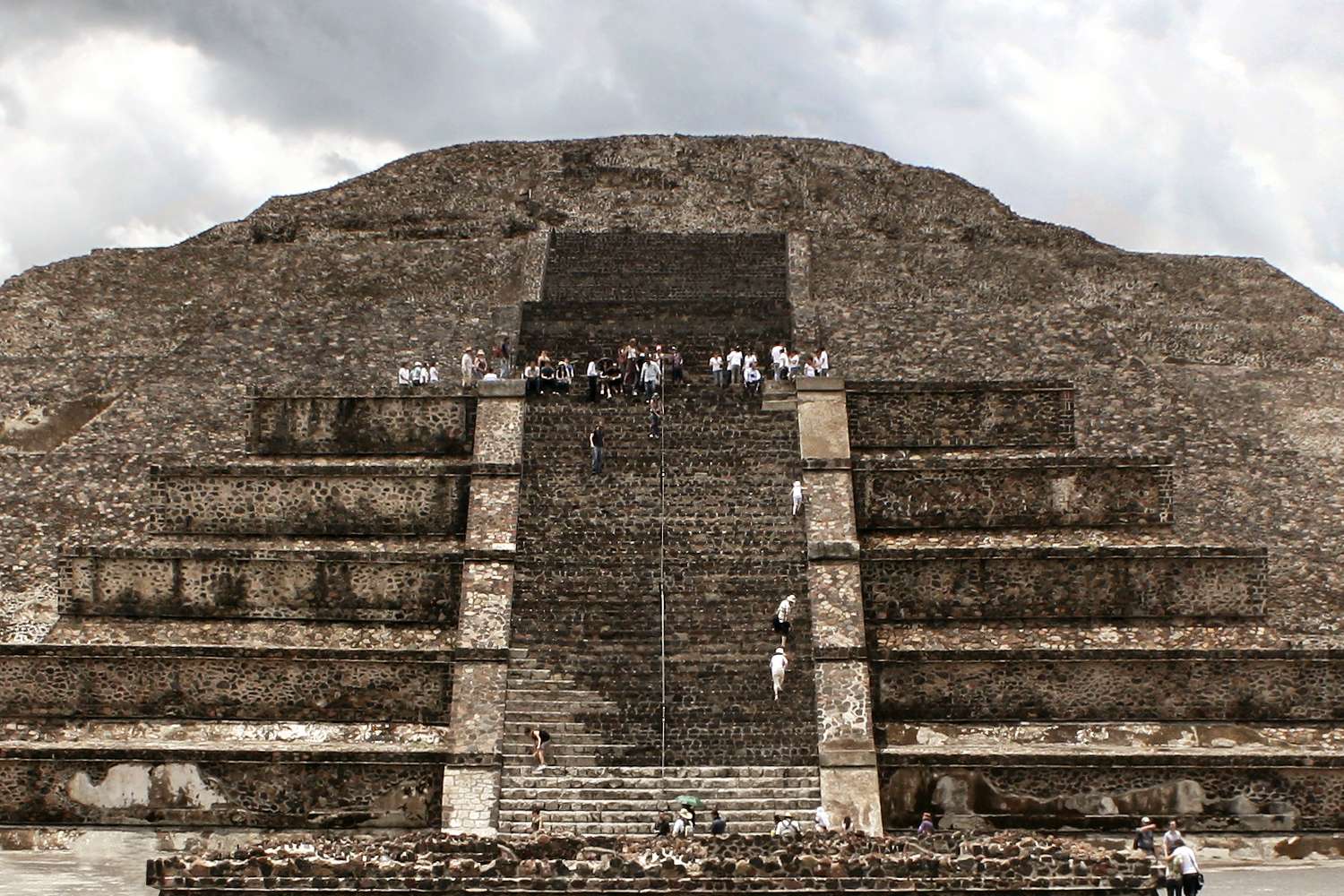


A Canadian woman was shot dead and several other tourists were wounded on Monday at the Pyramid of the Moon in Teotihuacan, Mexico, when a gunman opened fire at one of the world’s most visited ancient sites, approximately 50 kilometres north of Mexico City.
The gunman, identified by Mexican authorities as Julio Cesar N (his surname withheld in accordance with Mexican legal convention pending formal charges) was arrested at the scene.
Reporting by El Pais, the Spanish daily with specialist coverage of Latin America, established that the suspect had a documented online history of celebrating the 1999 Columbine High School massacre and maintaining links to far-right fascist ideology.
A world heritage site turned crime scene
Teotihuacan is among the most significant pre-Columbian archaeological sites in the Americas and attracts millions of visitors annually, including a substantial number of South African tourists who include the complex as part of broader Latin America itineraries.
The Pyramid of the Moon is the second-largest structure at the site, rising approximately 43 metres at the northern end of the Avenue of the Dead.
The shooting drew international condemnation and prompted a security review of Mexico’s major tourist attractions. Sky News reported the attack prominently among its top stories, and the BBC listed it as the seventh most-read story in the United Kingdom on Tuesday morning, reflecting the scale of international concern about tourist safety at a UNESCO World Heritage Site.
Far-right ideology in focus after arrest
The arrest of Julio Cesar N brought immediate scrutiny to the radicalisation pipeline that authorities believe drove the attack.
El Pais, drawing on early investigative reporting, noted that the suspect had publicly celebrated the Columbine massacre and had maintained ties to far-right online communities that glorify mass violence.
Mexican authorities have not yet formally stated a motive, and charges were pending as of Tuesday morning.
The attack follows a period of elevated concern about the safety of cultural heritage sites across Latin America, particularly those dependent on international tourism revenue.
For context, Teotihuacan attracted approximately 4 million visitors in 2024, making it Mexico’s second most-visited archaeological site after Chichen Itza.