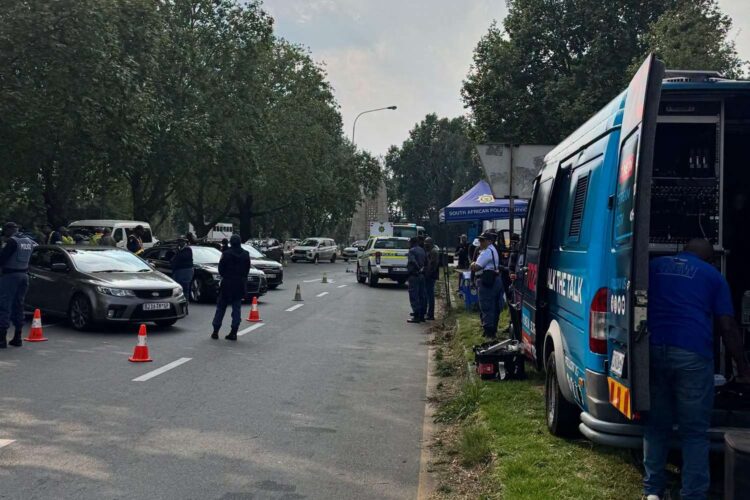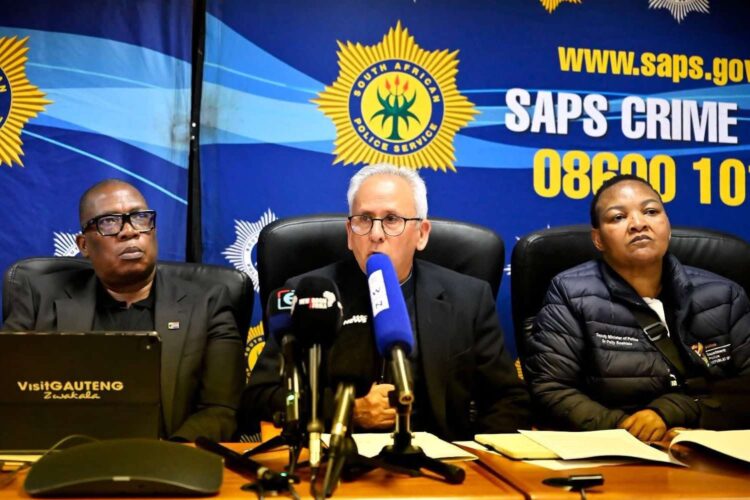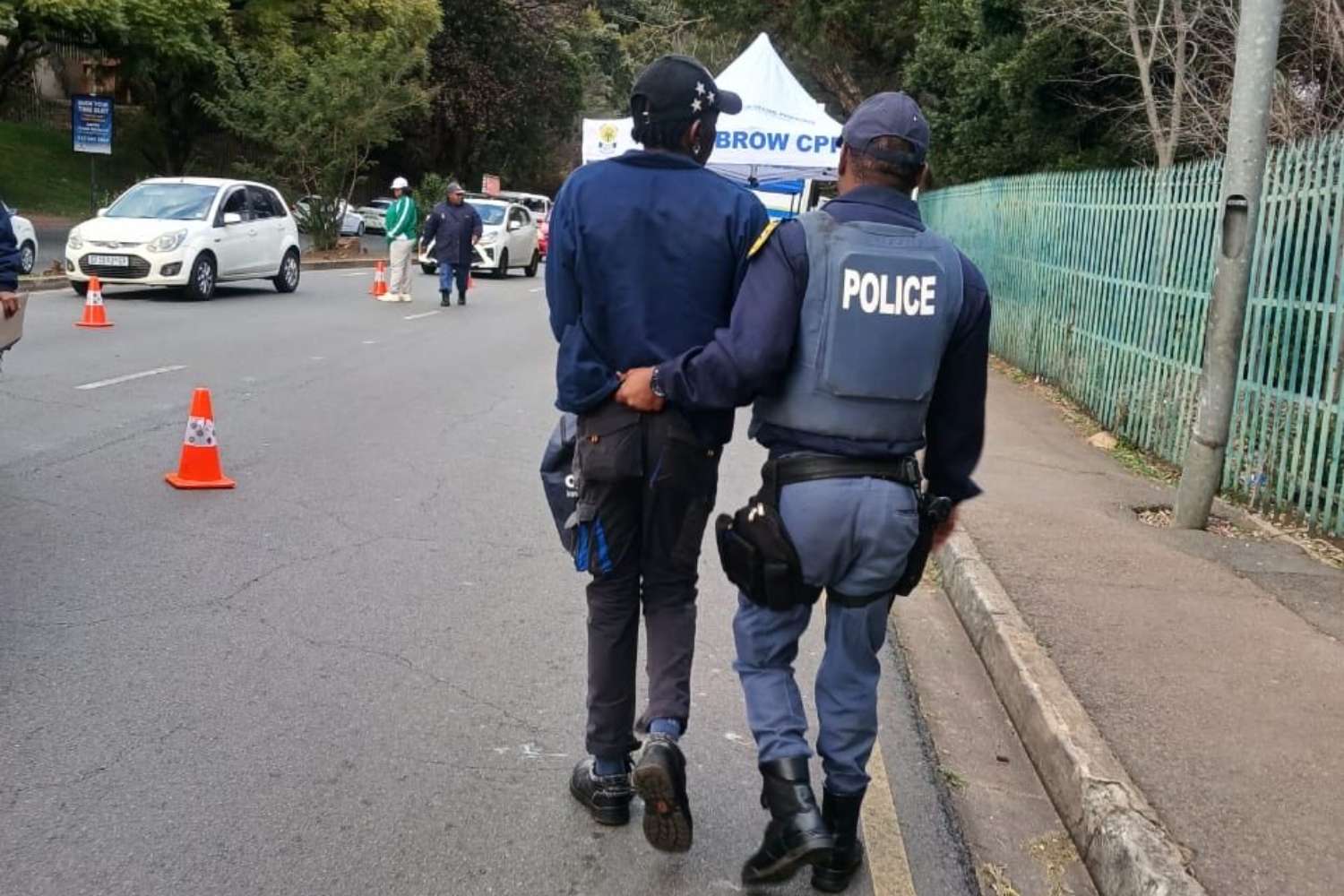


Three suspects have been arrested after a shooting during the 30 June anti-immigration marches left two people, including a 17-year-old, wounded in Hillbrow, Johannesburg, with police confirming charges of attempted murder.
The shooting broke out on Tuesday, 30 June 2026, as marchers moved through the Johannesburg inner city during a wave of nationwide protests against illegal immigration, as reported by TimesLIVE.
Police say three suspects opened fire on demonstrators who were passing along the street.
What police said about the Hillbrow shooting
Officers said the suspects apparently fired on protesters walking through the area, wounding two people, one of them aged 17.
Two licensed firearms believed to have been used in the incident were seized and taken in for further examination as part of the investigation into the Hillbrow shooting.
The three men are expected to appear before the Johannesburg Magistrate’s Court on charges of attempted murder.
At this stage they have been arrested and charged rather than convicted, and the case will test whether the state can link the seized weapons to the wounds inflicted on the two victims.
Hillbrow shooting arrests amid a wider crackdown
The Hillbrow shooting was one flashpoint in a far larger day of unrest. Gauteng recorded 154 arrests across the province after the marches, the highest concentration in Ekurhuleni, as authorities warned that further crackdowns linked to the protests would follow in the days ahead.
Nationally, roughly 900 people were arrested over the course of the demonstrations, including about 300 undocumented migrants.
While most of the marches passed off peacefully, law enforcement had to step in at a dozen separate demonstrations where crowds tipped over into civil unrest.
The protests were the latest in a run of anti-immigration mobilisations that have gathered pace across South Africa through 2026, tapping into anger over unemployment, strained public services and crime.
Tensions in Gauteng had simmered for weeks, and police braced for trouble well before the marches set off.
The 30 June marches, which Swisher Post covered as they unfolded, were billed as a stand against illegal immigration and drew crowds through several inner-city districts.
Hillbrow, one of Johannesburg’s most densely populated neighbourhoods, has long sat at the centre of the country’s fraught debate over migration.
What happens next
The three accused will make their first appearance before the Johannesburg Magistrate’s Court, where the state is expected to outline its case and any bail application will be heard.
With authorities signalling more operations to come, these arrests are unlikely to be the last flowing from the 30 June marches.