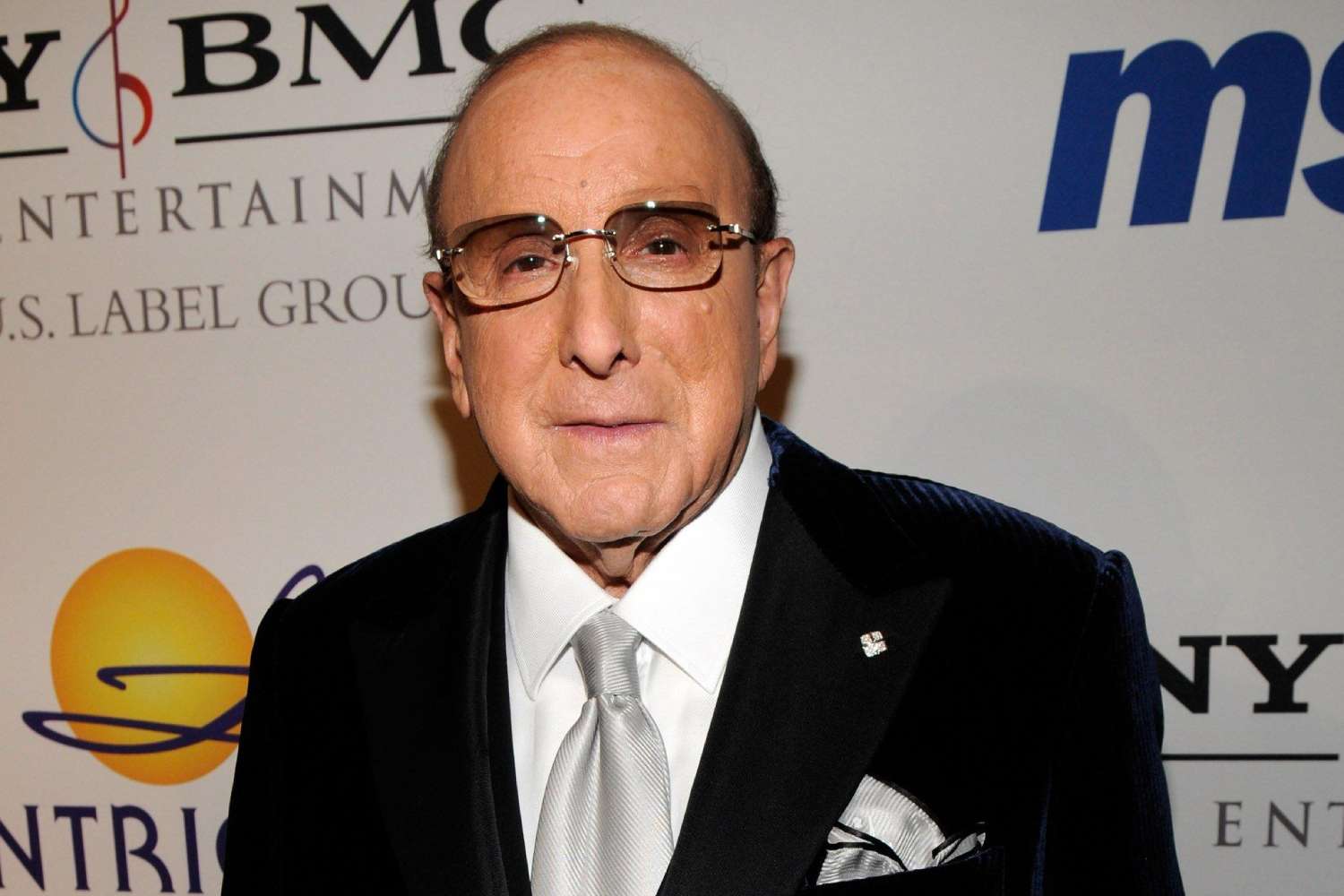


Clive Davis, the record executive whose ear for talent built modern pop, is dead at 94, after he died at his Manhattan home on Monday, 22 June 2026, surrounded by family.
Clive Davis dead at 94 after age-related illness
Davis died of an age-related illness at home, with family and loved ones at his side, as reported by Variety. He had been hospitalised in late May for an upper respiratory problem and was discharged earlier this month, before his health declined again in recent days.
Swisher Post earlier covered Davis’s late-May hospitalisation, when the music boss was admitted for a respiratory issue that fans hoped he would shake off. His death closes a chapter that had been watched closely since that first health scare a few weeks ago.
The artists Clive Davis signed and shaped
From the late 1960s, Davis pushed a staid Columbia Records into the rock era, signing or developing Janis Joplin, Carlos Santana and Bruce Springsteen.
Each became a defining act of their generation, and each owed part of that rise to an executive who trusted his instincts over the safe bet.
At Arista Records, he turned a young Whitney Houston into the brightest star on a roster stacked with pop, rock and R&B names.
He later founded J Records, proving across three labels and several decades that he could read where music was heading before most of the industry caught up.
Davis also built a reputation as a hands-on hitmaker, pairing the right song with the right voice and steering studio choices down to the single.
That instinct, often called having ‘golden ears’ in the trade, turned unknowns into household names and revived careers that the rest of the industry had written off.
Why Clive Davis leaves a gap in the music world
Davis won four Grammy awards and entered the Rock and Roll Hall of Fame in 2000, recognition for a career that helped define how hits are found and built.
His annual pre-Grammy gala became one of the most coveted invitations in the business, a measure of the reach he held.
Born in Brooklyn in 1932, Davis trained as a lawyer before moving into the record business, an unusual path that gave him a sharp eye for contracts and a steady hand in the boardroom.
He kept working deep into his nineties, long after most of his peers had stepped away.
Tributes from the artists he mentored have already begun pouring in, and the coming days are likely to bring memorial plans and remembrances across the labels he led.
For an industry he helped shape for more than half a century, Davis leaves a standard that few will match.