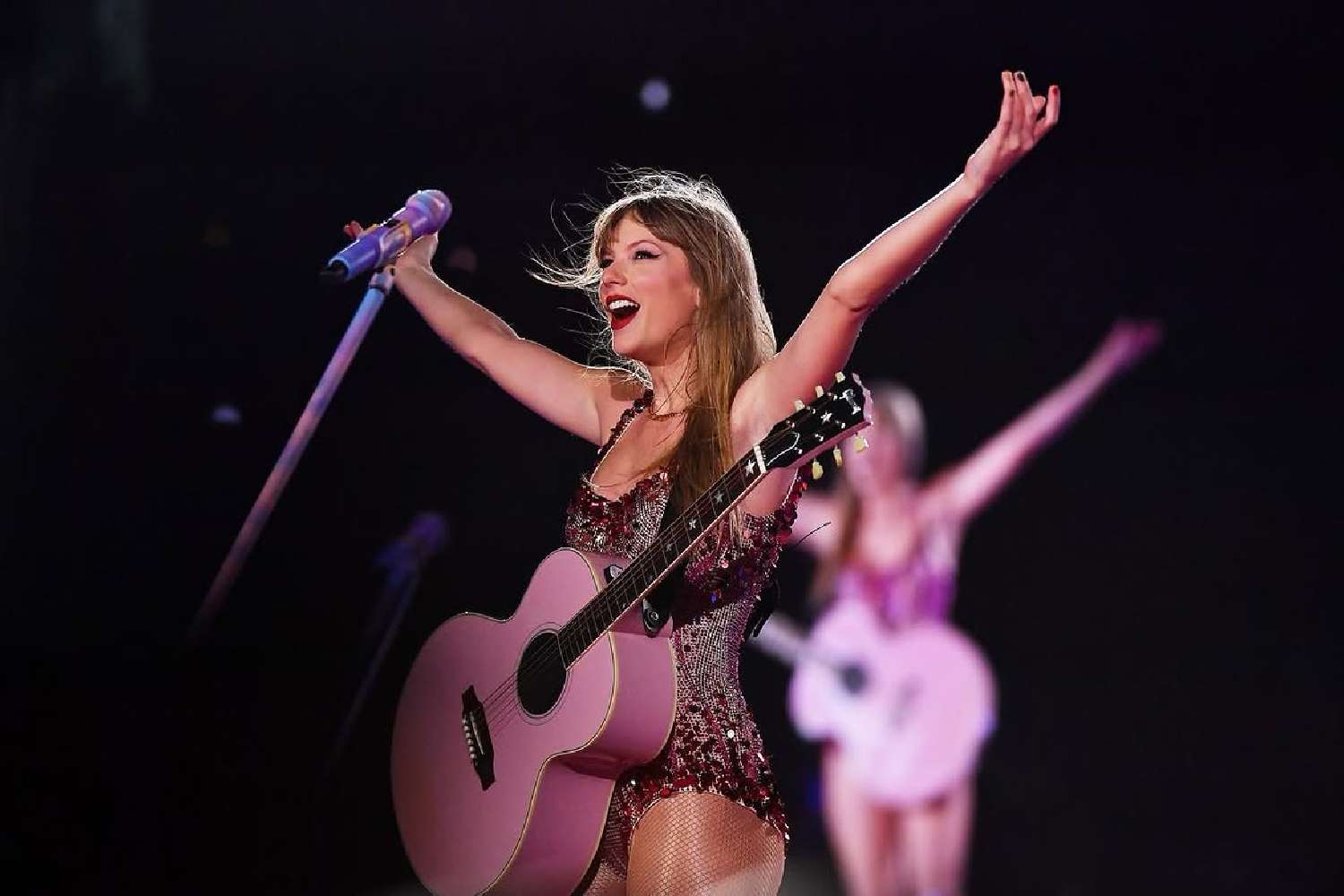


Taylor Swift has won a copyright lawsuit over her song lyrics after a federal judge threw out a poet’s claims on Monday, 6 July 2026, just days after her wedding to Travis Kelce.
The case was dismissed with prejudice, which means the poet cannot bring the same claims again, as reported by Variety.
Self-published writer Kimberly Marasco had accused Swift of lifting parts of her poems for more than a dozen songs across five albums.
What the Taylor Swift copyright lawsuit was about
Marasco claimed Swift borrowed from her work on Lover, Folklore, Evermore, Midnights and The Tortured Poets Department.
It was a sweeping accusation that reached across some of the singer’s most beloved eras, and it had been winding through the courts for a while before this week’s decision landed.
US District Judge Aileen M. Cannon, sitting in Florida, found that Marasco failed to show Swift ever had access to her poems.
The judge also ruled that the two sets of work did not share enough similarity to support a copyright claim in the first place.
What the judge said in the ruling
Judge Cannon leaned on the idea that themes and feelings are simply not something one writer can own.
“Poets, songwriters, and artists frequently draw inspiration from the world around them,” she wrote in her decision dismissing the case.
The judge went further on why the claims did not hold up legally.
“Even if a poet writes a poem expressing her unique thoughts and feelings about a particular subject, the underlying ideas and themes are not copyrightable. They are available for all to use,” Cannon wrote.
The reasoning is a familiar one in music copyright fights, where short phrases, common metaphors and broad emotional subjects usually sit outside what the law will protect.
That distinction is exactly what sank Marasco’s argument here.
What happens next for Taylor Swift
The timing could hardly have been sweeter for Swift, who married Kelce at Madison Square Garden earlier this month in a ceremony that had fans talking for days.
She closed out the honeymoon glow with a clean legal win before the week was out.
The ruling also hands a quiet win to songwriters everywhere who draw from the same well of universal feelings.
Break-ups, longing and small-town memories are fair game for everyone, and courts have long been reluctant to let any single writer fence off an emotion or a familiar turn of phrase.
Marasco has said she disagrees with the outcome and plans to appeal the ruling.
For now, though, the dismissal stands, and Swift walks away from one of the more unusual challenges to her back catalogue without a scratch on the songs themselves.