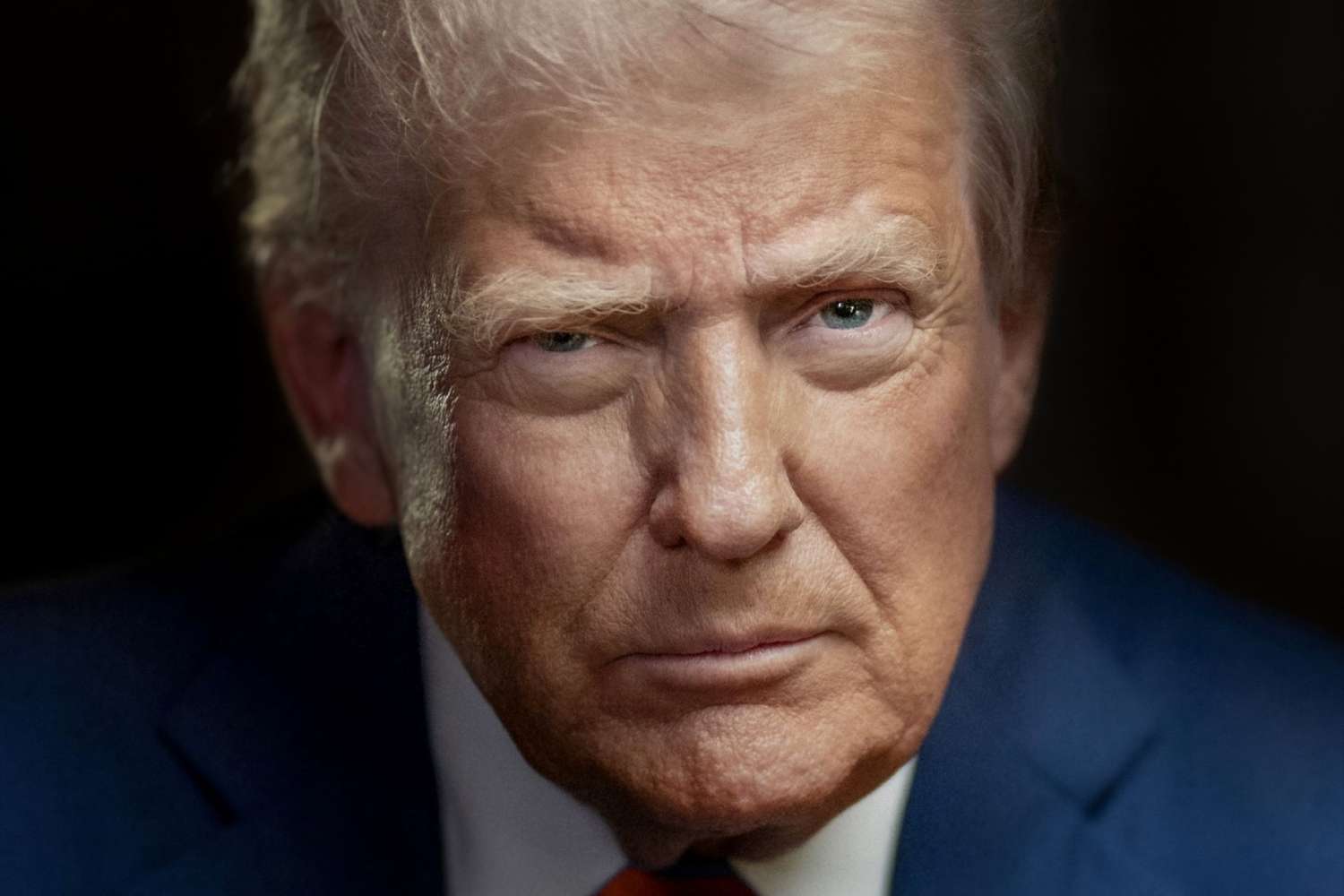


The Trump administration has moved to cap student and journalist visas, announcing a rule on Thursday, 16 July 2026 that ends the decades-old system allowing many to stay in the United States indefinitely.
The regulation sets a fixed period of admission for holders of F, J and I visas, the classes covering international students, exchange visitors and foreign media, as reported by Al Jazeera.
It replaces a long-standing arrangement under which those visitors could remain for as long as they stayed enrolled or on assignment.
What the new student and journalist visa rule says
Under the new terms, international students and exchange visitors will generally be limited to four years in the country.
Foreign journalists will be admitted for up to 240 days at a time, a window that shrinks to just 90 days for Chinese nationals working in the United States.
For foreign correspondents, the 240-day cap marks a sharp change from an arrangement that let accredited reporters work in the country on open-ended terms.
The tighter 90-day limit for Chinese nationals signals how far the rule leans into the administration’s broader posture toward Beijing on questions of access and reciprocity.
The administration frames the change as closing the so-called duration of status loophole, which let students, exchange visitors and media representatives stay without routine government review.
Anyone wanting to remain beyond the fixed term will now have to apply for an extension or leave the country and reapply from abroad.
When the visa changes take effect
The rule takes effect 60 days after publication in the Federal Register, subject to congressional review during that window. That timeline means the changes could land squarely on college programmes due to begin in August and September, unsettling students who have already secured places at American institutions.
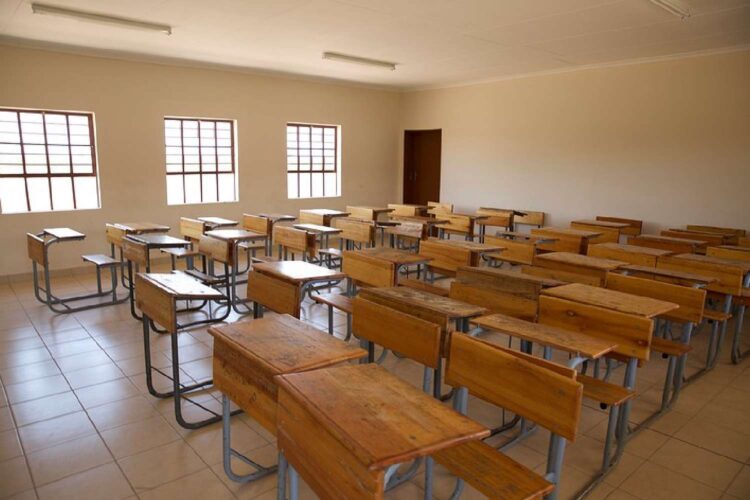
International students represent a significant presence on American campuses, with hundreds of thousands enrolled each year and many concentrated in science, technology and postgraduate research.
A shift from open-ended stays to fixed four-year terms introduces a layer of paperwork and uncertainty that did not previously shadow their time in the country.
What happens next for visa holders
The measure fits a wider immigration agenda the administration has pursued since returning to office, tightening entry rules across several visa categories.
Universities and press freedom groups have warned that fixed terms and shorter windows could deter international talent and complicate the work of foreign correspondents based in the country.
Whether the rule survives its review period intact remains the immediate question, with legal challenges from universities and advocacy groups widely expected.
or the students, scholars and journalists already in the United States, the coming 60 days will decide how much of their planned stay they can now count on.