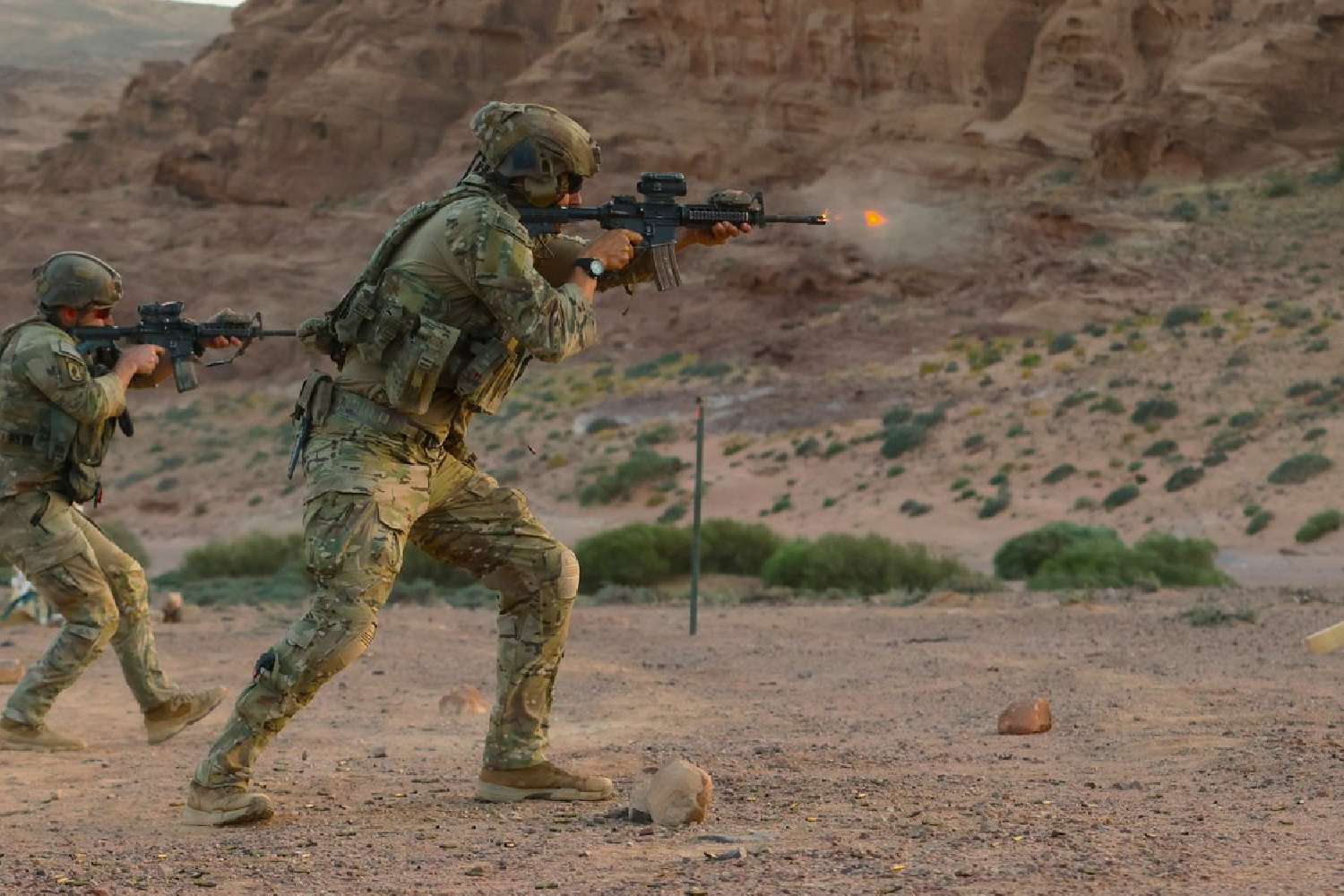

The US and Iran exchanged strikes for a second consecutive day on Thursday, 11 June 2026, with attacks spreading across the Middle East and leaving the ceasefire agreed in April all but dead.
American forces hit targets across several Iranian cities, while Tehran responded with strikes on US airbases in Bahrain, Kuwait and Jordan, as reported by CBS News.
It marked the third round of tit-for-tat attacks this week alone.
What triggered the latest US Iran strikes
US President Donald Trump set the tone on Wednesday, warning that Tehran had “taken too long to negotiate a deal” and would “pay the price” for the stalled talks.
He went further in remarks to reporters, promising continued military pressure.
“We’ll see what happens, but we hit them hard yesterday, and we’re going to hit them again hard today,” Trump said.
US Central Command confirmed its latest round of airstrikes ended just before sunrise on Thursday local time, targeting surveillance capabilities, communication systems and air defence sites.
The command said the operation came “in response to Iran’s unwarranted and continued aggression”.
Iran’s foreign ministry countered that the latest American attacks had rendered the truce, in place since Wednesday, 8 April 2026, effectively “meaningless”.
Where the US Iran strikes leave the region
The two-month-old ceasefire had held, barely, through repeated flashpoints around the Strait of Hormuz, including an Apache helicopter crash and attacks on shipping earlier this year.
Oil markets have already responded to the renewed fighting, with fuel costs feeding the inflation spike confirmed in Washington this week.
Iranian missiles aimed at bases in Kuwait, Bahrain and Jordan extend a pattern Tehran has leaned on throughout the conflict, striking American military infrastructure in third countries rather than US soil.
Gulf states hosting those bases are once again caught between the combatants.
For consumers far from the battlefield, the conflict is arriving through the petrol pump.
US inflation has climbed past 4% on the back of war-driven fuel prices, and sustained fighting around the world’s busiest oil chokepoint keeps pressure on prices everywhere, South Africa included.
What happens next in the conflict
Trump has said the US will hit Iran “very hard tonight” and has spoken publicly of plans to take Kharg Island, the terminal that handles the bulk of Iran’s oil exports. No new talks are scheduled, and neither side is signalling restraint.
The next 48 hours will show whether the April agreement can be salvaged or whether the region is back to open war.
With strikes promised for Thursday night and Iranian retaliation all but certain, the ceasefire’s collapse now looks less like a risk than a fact.