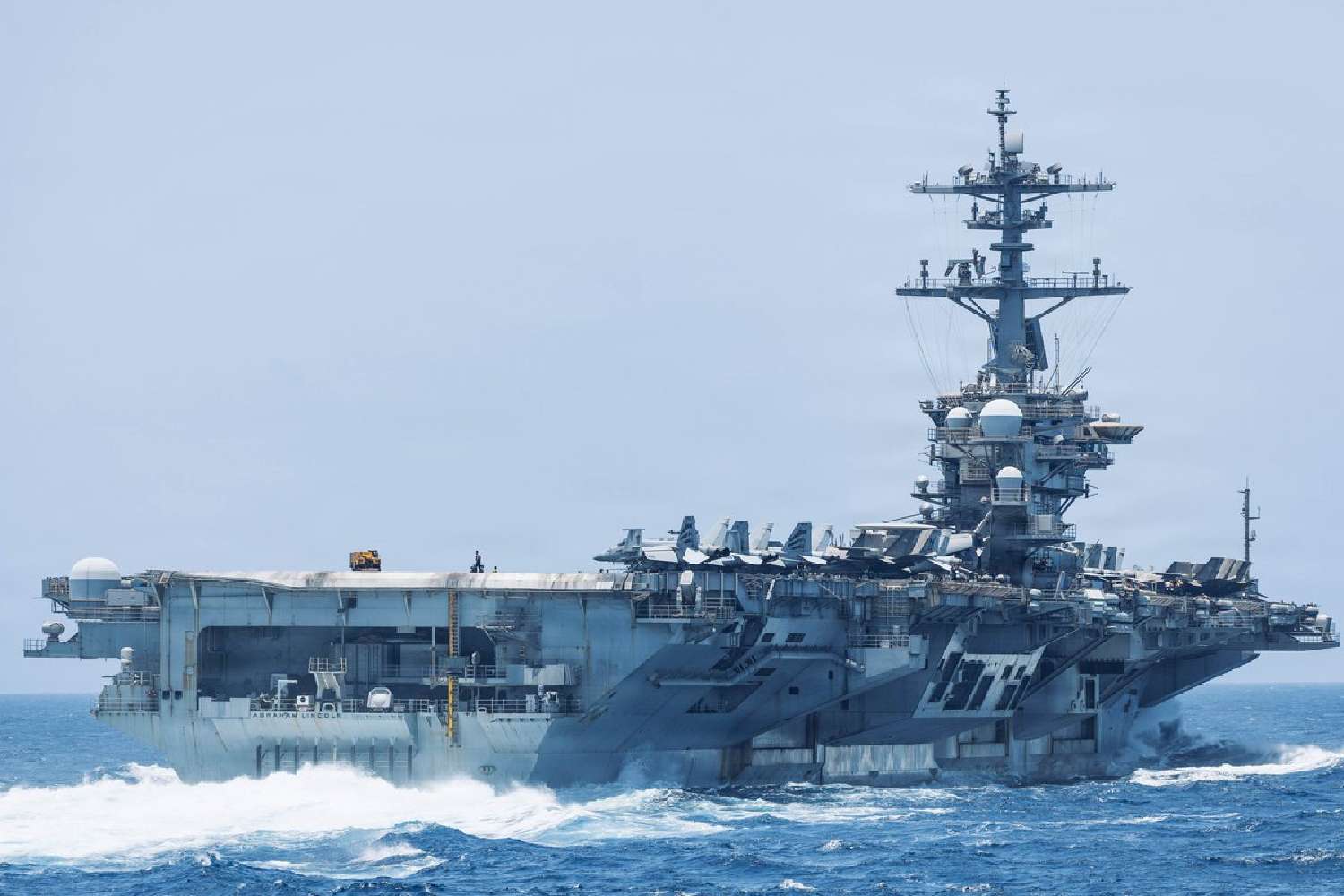


The United States military struck radar sites on Qeshm Island on Day 99 of the Iran war on Saturday, 6 June 2026, after shooting down four Iranian drones, as Iran retaliated by firing missiles at Kuwait and Bahrain.
The Iran war, now on Day 99, continued to escalate without a diplomatic breakthrough in sight, as reported by Al Jazeera.
Iran’s Islamic Revolutionary Guard Corps claimed responsibility for the missile strikes on both Gulf states, saying they were fired in direct response to the US strikes against its coastal surveillance positions in the Strait of Hormuz.
Seven ballistic missiles were launched at Kuwait and Bahrain. Six were intercepted by US and Bahraini air defence systems, with the seventh failing to reach its intended target.
US Central Command confirmed no American personnel were harmed and described Iranian claims of damage to the US Fifth Fleet headquarters in Bahrain as false.
What the Day 99 Iran war strikes involved
US Central Command stated that its forces shot down the four Iranian one-way attack drones after assessing they “posed an immediate threat to regional maritime traffic.”
Subsequent strikes on radar installations at Goruk and on Qeshm Island were framed by the Pentagon as defensive in nature, designed to remove Iran’s capacity to monitor and target maritime traffic passing through the strait.
President Donald Trump addressed the exchange in a brief statement without announcing new ceasefire terms.
“We’ve been hitting them pretty hard,” he said.
The White House has provided no updated diplomatic roadmap. In a notable break with the administration, the US House of Representatives voted this week to end the war, with Republican members joining Democrats to pass the measure.
Iran threatens to close the Strait of Hormuz
Iran’s warning that continued US military action could trigger a “complete closure” of the Strait of Hormuz is the most consequential economic threat yet to emerge from the conflict.
Roughly 20% of the world’s daily oil supply passes through the strait, and any enforced closure would immediately destabilise global energy markets, affecting crude prices from Johannesburg to Tokyo.
Bahrain’s foreign ministry issued a formal condemnation of the Iranian strikes, describing them as a deliberate escalation. Kuwait similarly confirmed Iranian missile activity against its territory.
Both Gulf states host US military installations, and the pattern of strikes and counter-strikes has unsettled regional governments that initially hoped the April ceasefire framework would hold.
What happens next in the Iran war
With Day 100 approaching and no ceasefire framework on the table, analysts expect the current tempo of exchanges to continue.
Oil markets are tracking every incident along the strait, and any escalation beyond drones and ballistic missiles could compel European allies to push for emergency UN Security Council intervention.
Iran has so far rejected calls for a return to talks from both Washington and the United Nations.