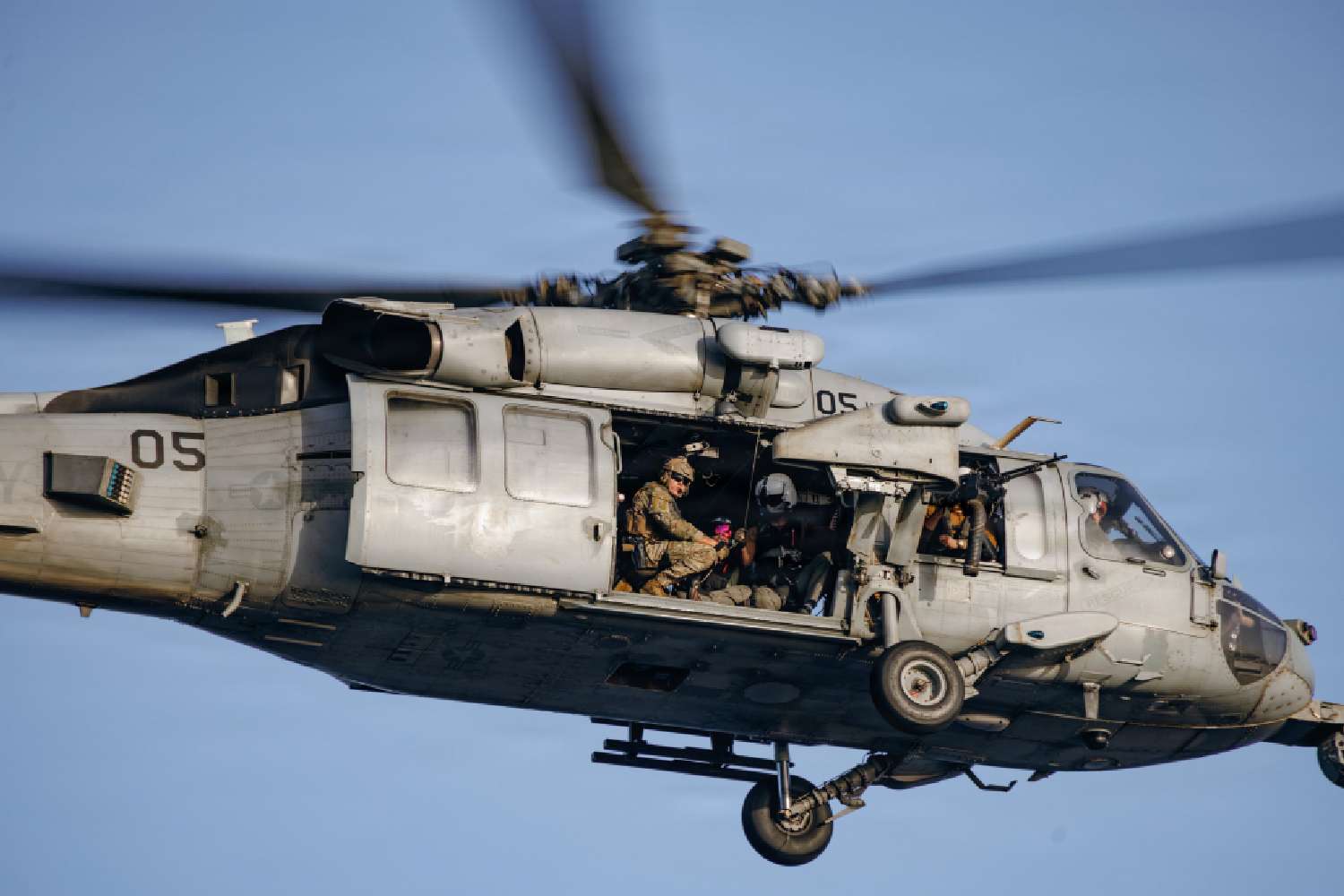

A United States Army AH-64 Apache attack helicopter crashed near the Strait of Hormuz on Monday, 8 June 2026, with two crew members rescued in what US military officials described as the first-ever sea drone rescue in American military history.
The helicopter went down while on patrol off the coast of Oman during the ongoing US military presence stemming from the Iran conflict.
As reported by CBS News, the two soldiers were retrieved approximately two hours after the aircraft hit the water, at around 19:30 Eastern time, and were confirmed to be in stable condition.
The crash cause remains under investigation.
What happened during the Strait of Hormuz incident
US Central Command issued a statement on Tuesday, 9 June 2026 confirming both the crash and the successful rescue.
The sea drone recovery operation drew immediate attention from military observers: no US military personnel had previously been rescued from open water by an autonomous sea drone during active operations, making it a notable first for American military capability in the field.
US President Donald Trump addressed the incident on Tuesday, 9 June 2026, stating:
“The pilots are fine.”
No further detail was provided in his public remarks about the circumstances of the crash or the broader state of military operations in the Gulf region at the time.
Was the Apache shot down by Iran?
Officials are investigating whether Iranian fire brought the helicopter down. The cause could not be verified at the time of publishing.
The Strait of Hormuz has been a major flashpoint since the US escalated its military presence during the Iran conflict, which began late last year and involved direct strikes on Iranian territory, naval confrontations and sustained air operations throughout the Gulf.
The Strait of Hormuz is one of the most strategically critical waterways in the world, with approximately one-fifth of global oil supply passing through it daily.
Military incidents in this narrow corridor carry immediate implications for energy markets, shipping insurance premiums, and diplomatic pressure on all parties.
South Africa imports a significant portion of its crude oil through Gulf channels, meaning any sustained disruption in Hormuz shipping has a direct bearing on local fuel prices and the cost of doing business across the country.
What happens next in the investigation
CENTCOM confirmed the cause of the crash is under active investigation and that further information would be released as it becomes available.
Whether Iranian fire was a factor will be the central question in any congressional or military inquiry that follows, particularly given the ongoing Iran negotiations and the political sensitivity around American combat losses in the region.