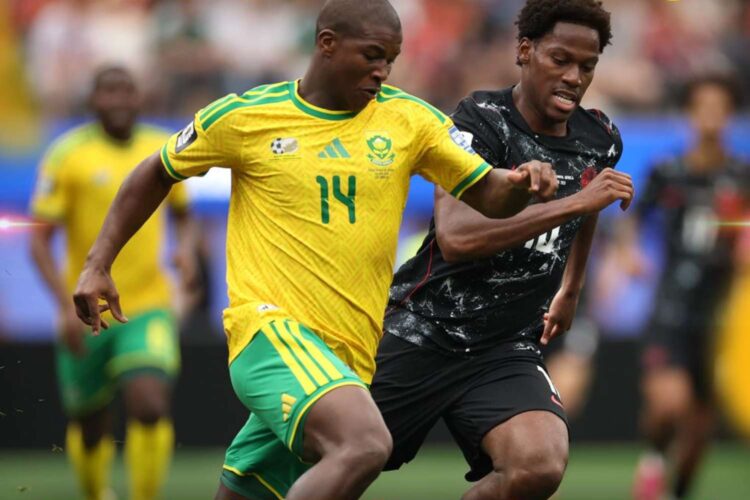
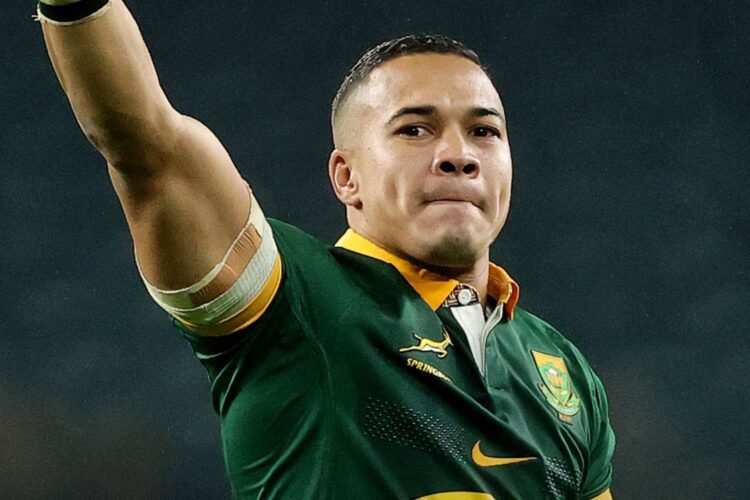
Senegal are champions again after a final that felt like it was being rewritten in real time.
In Rabat on Sunday, Senegal beat tournament hosts Morocco 1-0 in the AFCON 2025 final, a match that swung from frustration to disbelief to pure nerve. The decisive moment came in extra time when Pape Gueye’s 94th-minute strike finally broke a game that had been stuck in tension, whistles, and stoppages.
How the final was decided
For long spells, the match played like two elite defensive sides refusing to blink. Then everything happened at once.
Morocco were awarded a late penalty after a VAR check for a challenge on Brahim Diaz, but the moment turned ugly, with a delay that dragged the game deep into stoppage time and sparked chaotic scenes.
Diaz tried a Panenka-style chip. Édouard Mendy read it and saved.
A few minutes later, Senegal had their release.
Sadio Mané won the ball in midfield, found Idrissa Gana Gueye, and the move opened into space for Pape Gueye, who drove forward and beat Yassine Bounou with a strike into the top corner.
Morocco came close to dragging it to penalties when Nayef Aguerd headed against the crossbar in extra time, but Senegal held on.
The flashpoint: a disallowed goal, a late penalty, and a walk-off
The late drama began before the penalty.
Senegal believed they had reason to feel hard done by after Ismaila Sarr had a goal ruled out for a foul in added time.
Then came the penalty decision. The award was made right at the end of the allotted added time after VAR reviewed a challenge involving Diaz and El Hadji Malick Diouf.
Senegal reacted furiously. Players walked off, and some supporters at one end of the stadium threw chairs and other objects and tried to get onto the pitch before police and stewards contained them.
Pape Gueye said the squad felt wronged, but regrouped after Mané intervened.
“We had a feeling of injustice,” Gueye said.
“Sadio told us to come back on and we remobilized. Édouard then made the save, we stayed focused, got the goal and won the game.”
Post-match: pride for Senegal, pain and criticism for Morocco
Morocco coach Walid Regragui said the disruption reflected badly on the spectacle.
“The image we gave of African football was rather shameful. Having to stop the game for more than 10 minutes with the world watching is not very classy,” Regragui said, urging his team to “come back stronger.”
The match was played in front of 66,526 fans, and the ending was particularly agonising for Morocco given the weight of hosting and the expectation of finally lifting the trophy at home.
Senegal’s title, meanwhile, makes it two AFCON wins in the last three editions, a run that is starting to look like an era.
Senegal at AFCON: History in plain terms
Senegal have played in 17 editions of the Africa Cup of Nations, but they were not always treated like royalty in Africa’s football conversation.
For much of the 20th century, Senegal were generally viewed as a tier below West Africa’s dominant names, and their AFCON story carried more frustration than silverware.
That changed in the early 2000s. Senegal’s rise aligned with a new global profile after their 2002 World Cup run to the quarter-finals, and in the same period they reached their first AFCON final.
They lost the 2002 final to Cameroon on penalties after a goalless draw, a painful near-miss that still sits as a turning point in how Senegal were perceived.
Senegal returned to the AFCON final in 2019 but lost 1-0 to Algeria.
Their breakthrough finally arrived in the 2021 tournament, with the final played in Yaoundé in 2022, when Senegal beat Egypt on penalties to win their first AFCON title.
Now, with this win over Morocco, Senegal have added another title and reinforced a modern reality: they are no longer chasing history. They are writing it.