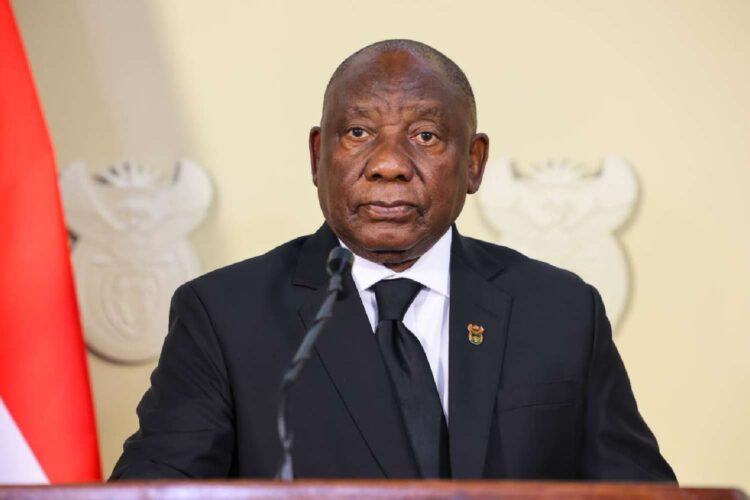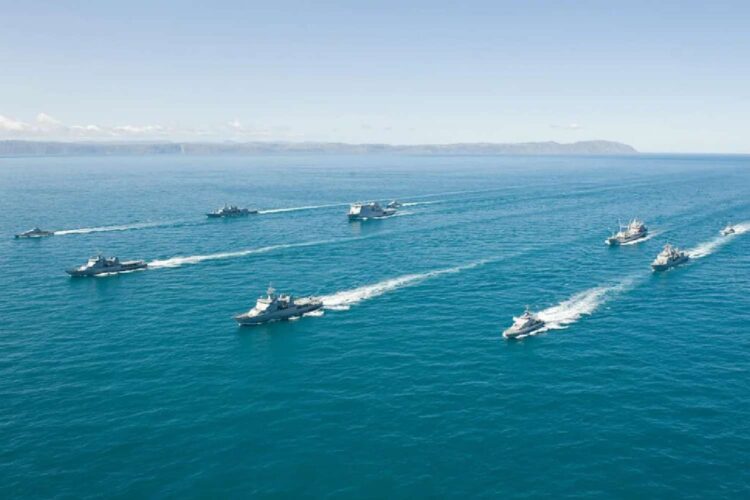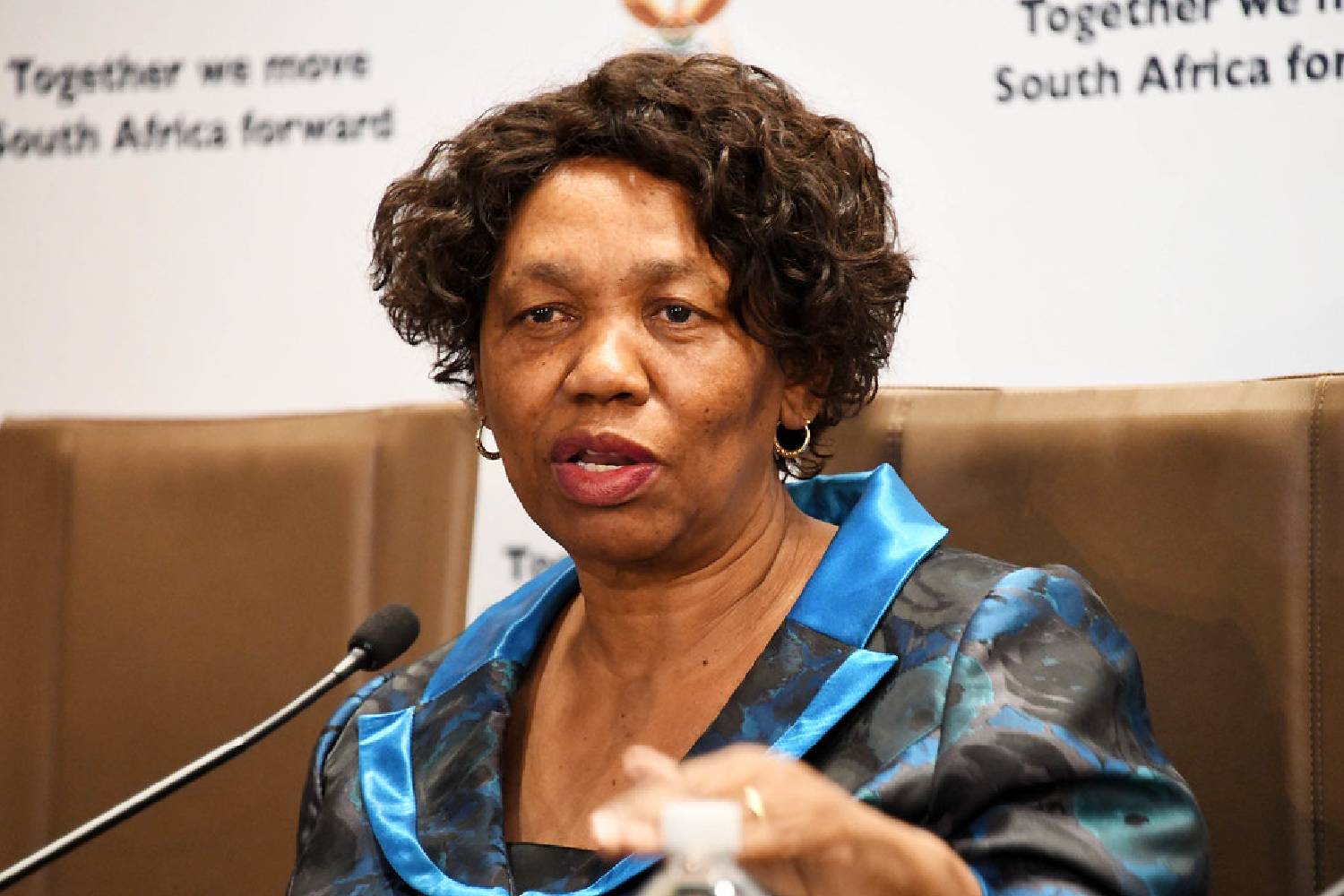


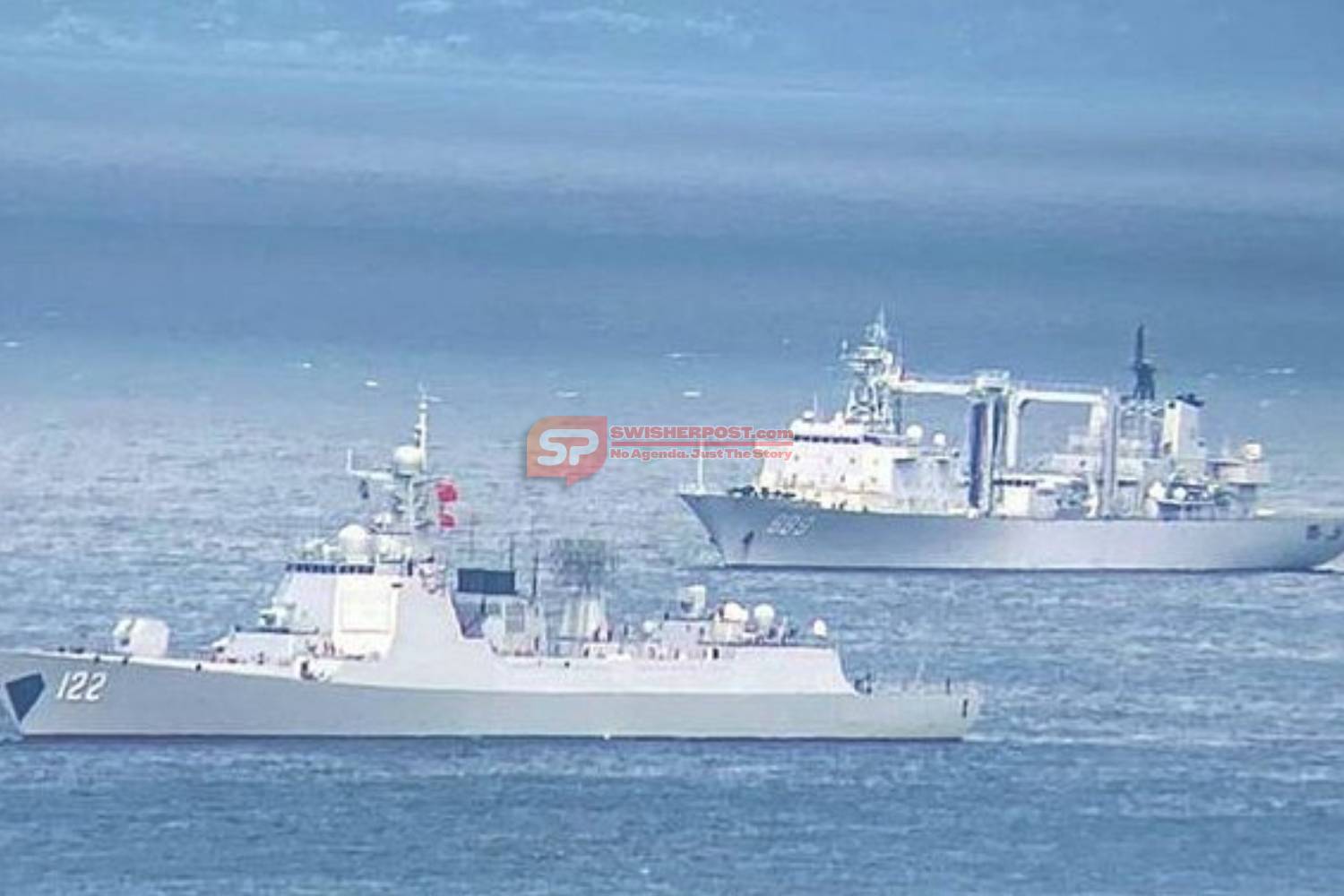
Defence Minister Angie Motshekga has come under growing pressure after three Iranian naval vessels were spotted in False Bay last week and continued participating in a multinational naval exercise despite an instruction from President Cyril Ramaphosa that Iran should be withdrawn.
The episode has become a new flashpoint in South Africa’s already strained relationship with the United States, with Washington publicly criticising South Africa’s defence engagement with Iran at a moment when Tehran is facing international condemnation over a violent crackdown on protests.
What Angie Motshekga has ordered, and why
In a statement issued on Friday, 16 January 2026, Motshekga announced a board of inquiry to establish why Ramaphosa’s instruction was not carried out by the South African National Defence Force (SANDF).
She said the president’s instruction was “clearly communicated to all parties concerned, agreed upon and to be implemented and adhered to as such.”
Motshekga said the board must determine whether the instruction “may have been misrepresented and/or ignored,” and must submit a report within seven days after the naval exercise ends.
Why the Iranian ships were a diplomatic problem
Government sources cited in the same report say Ramaphosa ordered Iran’s withdrawal because of concern that a joint military exercise with Tehran could further aggravate relations with the US at a sensitive time in Washington, including scrutiny around trade legislation and broader bilateral tensions.
The presence of the Iranian vessels also landed amid fresh international focus on unrest inside Iran.
A Guardian report this week described a crackdown that included mass arrests, brutality, and an internet blackout that left the country “dark” as security forces moved against demonstrators.
What the US has said about South Africa and Iran
The US embassy in Pretoria responded publicly on X, saying Iran’s participation in the exercise raised alarm.
“Iran is a destabilising actor and state sponsor of terror, and its inclusion in joint exercises – in any capacity – undermines maritime security and regional stability,” the embassy said.
In its statement, the embassy went further, linking South Africa’s engagement with Iran to the crackdown on Iranian protesters.
“It is particularly unconscionable that South Africa welcomed Iranian security forces as they were shooting, jailing and torturing Iranian citizens engaging in peaceful political activity South Africans fought so hard to gain for themselves,” it said.
The embassy added: “South Africa can’t lecture the world on ‘justice’ while cozying up to Iran.”
A US senator, Jim Risch, the chair of the Senate Foreign Relations Committee, also weighed in on X, saying the US should take strong action against South Africa and arguing that the ANC-led government “hides behind a claim of non-alignment” while hosting drills with what he described as America’s “chief adversaries.”
What happened in False Bay, and what remains disputed
What is not publicly resolved is how the instruction was handled inside the defence force chain of command and why the Iranian vessels still appeared to be involved after the government’s decision that they should withdraw.
Motshekga’s statement says the instruction was communicated and agreed, but the week ended with Iranian ships still present in Simon’s Town and False Bay alongside naval vessels from Russia, China, the United Arab Emirates and South Africa.
Opposition parties have framed the issue as a test of civilian control over the military. Democratic Alliance defence spokesperson Chris Hattingh said the board must determine whether the president’s instruction “was ignored, diluted or misrepresented.”
Why this story is bigger than a naval exercise
The dispute has landed at the intersection of three pressure points: South Africa’s defence diplomacy, the global fallout from Iran’s domestic unrest, and South Africa’s already tense engagement with the US.
For Motshekga, the immediate question is procedural and political: whether the inquiry can establish clear accountability for what happened between the president’s instruction and what played out on the water.
For South Africa’s foreign relations, the longer question is strategic: how “non-alignment” is defined in practice when military engagements with sanctioned states draw public rebukes from key trade and security partners.
Motshekga’s board of inquiry is expected to report within seven days after the exercise concludes.
In the meantime, the controversy is likely to keep building pressure on the defence ministry and the SANDF to explain, in detail, how the president’s instruction was communicated, how it was actioned, and why Iranian vessels remained visible in False Bay at a moment of heightened scrutiny.