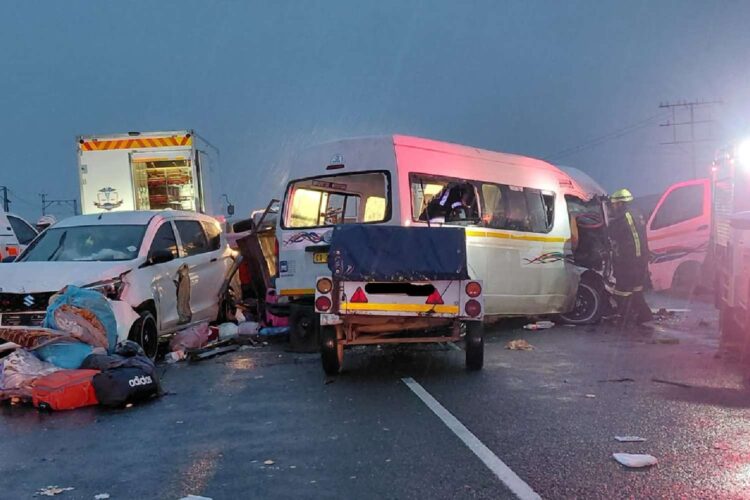


The South African government declared a national disaster on 10 May 2026 following a severe weather system that has killed at least eight people and caused widespread destruction across six of the country’s nine provinces since 4 May.
The declaration covers the Western Cape, North West, Free State, Eastern Cape, Northern Cape and Mpumalanga. The Department of Cooperative Governance and Traditional Affairs (COGTA) confirmed that the classification will allow government to intensify coordination and release emergency funding for recovery efforts across all spheres of government.
Scale of the destruction
The weather system has produced heavy rainfall, flooding, thunderstorms, damaging winds and snowfall across a broad stretch of the country over the past week.
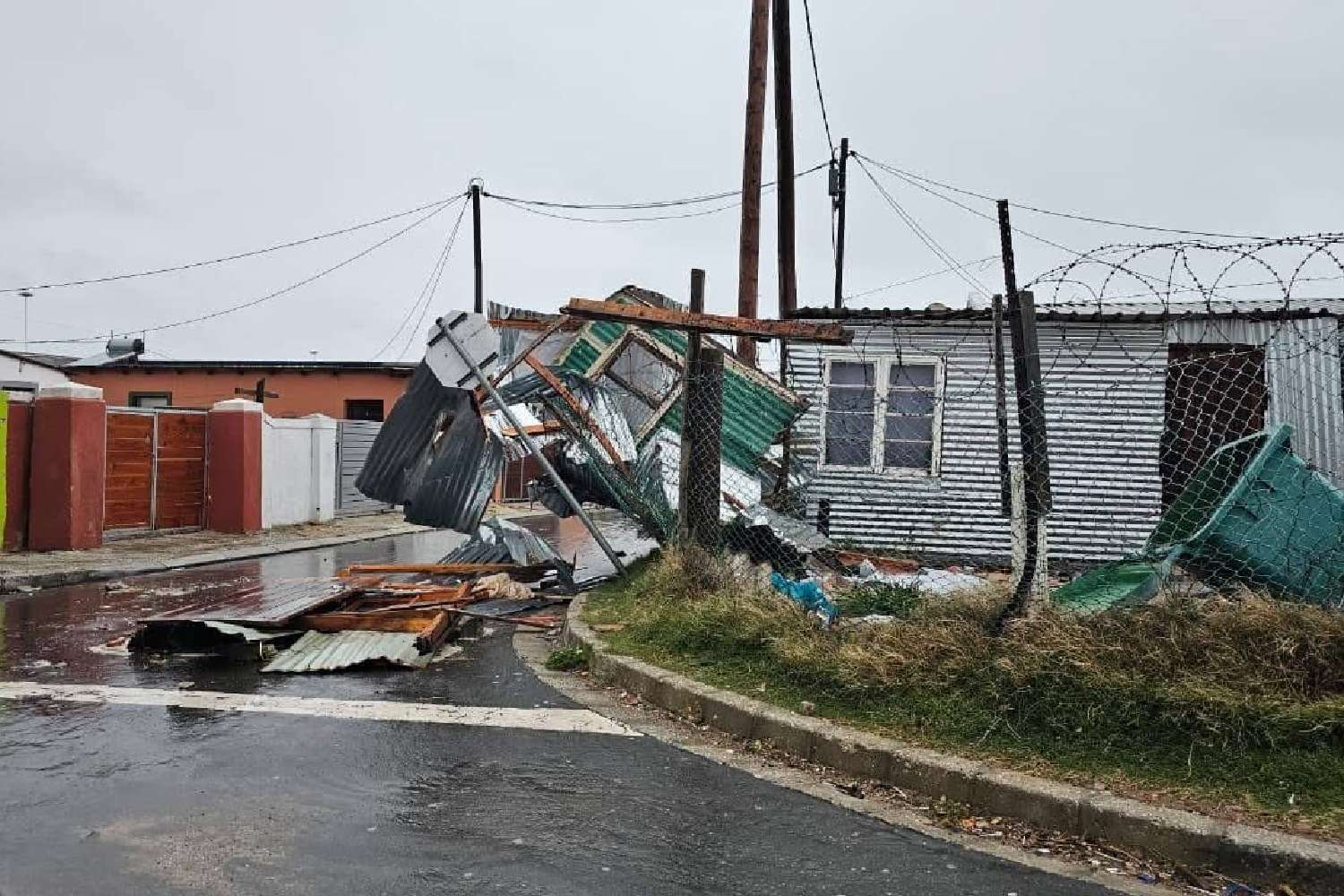
In Cape Town, the City’s Disaster Management Centre reported roofs blown off in Westridge, Mitchells Plain and Hanover Park, and flooding in parts of Khayelitsha, Hout Bay, Strand and the Nyanga hostels.
The full extent of structural damage to homes and public infrastructure is still being assessed, as provincial and local disaster management teams continue working through affected areas.
Earlier official figures confirmed at least four deaths. The toll had risen to at least eight by Monday. With assessment work still under way in multiple provinces simultaneously, that figure may increase further in the coming days.
What a national disaster declaration does
The declaration operates under the Disaster Management Act and does not impose restrictions on movement or economic activity.
It functions as a formal mechanism that unlocks emergency funding, enables faster government procurement and activates intergovernmental coordination structures to move resources more efficiently into affected communities.
South Africa has used this mechanism before, most recently during the COVID-19 pandemic in March 2020 and in response to the KwaZulu-Natal floods of July 2021, which killed more than 400 people.
Those declarations opened channels for both domestic resource deployment and, in the case of the 2021 floods, international humanitarian assistance. The current system, spanning six provinces, is among the more geographically extensive weather events the country has recorded in recent years.
The national government’s disaster response framework requires all relevant departments, provincial governments and municipalities to report damage assessments and resource needs upward through a coordinated structure.
COGTA has said this process is now active.
What happens next
Emergency recovery operations are under way in all six affected provinces. Cape Town’s disaster management teams are continuing assessments, and COGTA has not specified a timeline for lifting the declaration, which in previous instances has remained in place until the recovery phase is sufficiently advanced to permit a formal downgrade.
Residents in the most heavily affected communities are advised to monitor official government and municipal communications for updates on relief distribution.