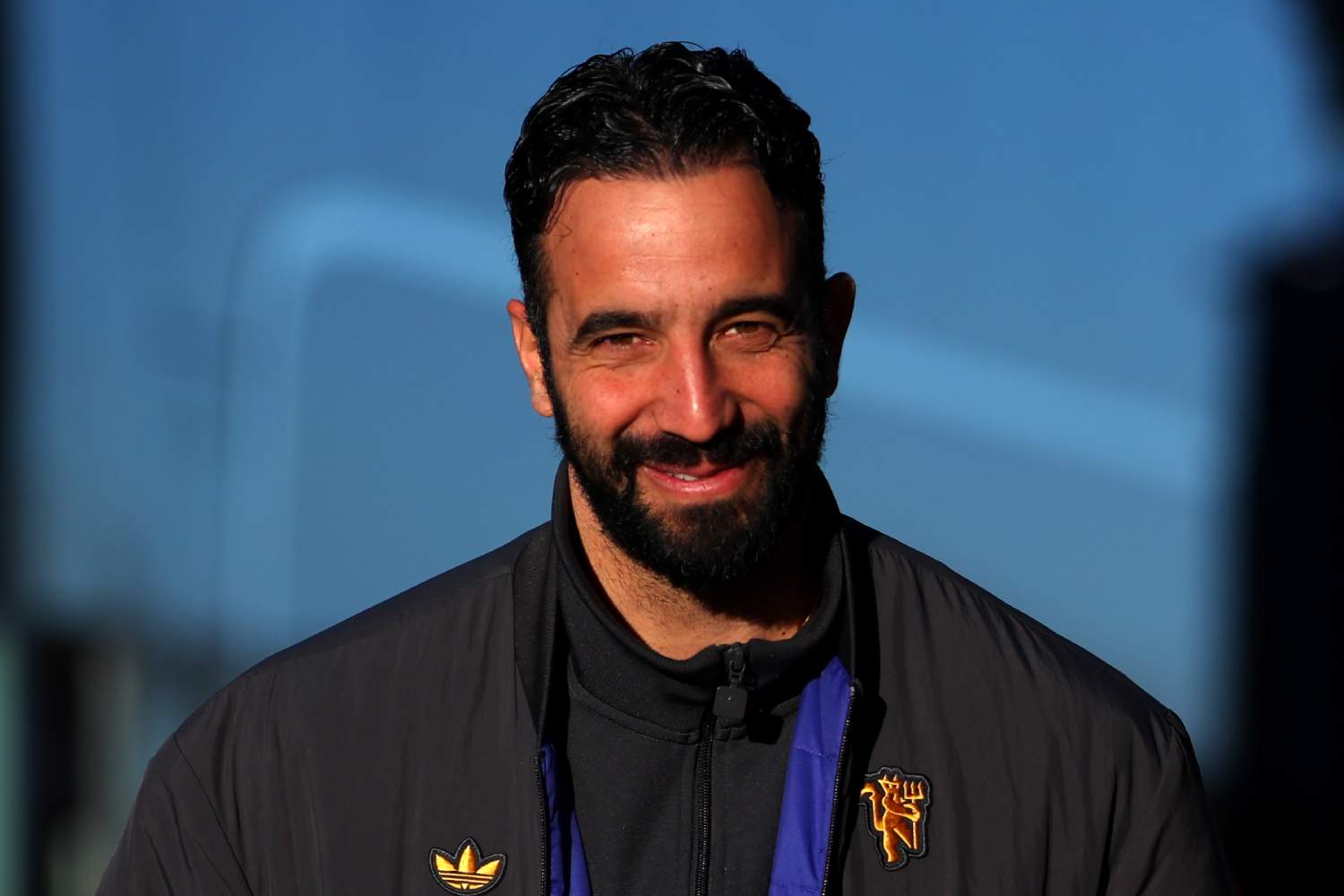


Manchester United have dismissed Ruben Amorim, ending a 14-month tenure that mixed occasional high points with persistent league inconsistency and growing friction inside the club’s leadership structure. The decision was announced on Monday, a day after a 1–1 draw away at Leeds United.
United’s leadership framed the change as a move intended to improve their league finish, while Amorim’s final weeks were marked by increasingly public frustration about his authority and the resources required to implement his system.
What Manchester United said and what happens next
In a club statement carried by Sky Sports, United said its leadership “has reluctantly made the decision that it is the right time to make a change” to give the team the “best opportunity of the highest possible Premier League finish.”
Darren Fletcher has been placed in interim charge, with United next due to play Burnley on Wednesday.
Why the club pulled the plug
Multiple factors are being linked to the dismissal: results, internal relationships, and disagreements about tactical direction and recruitment.
On performance, Reuters reported that United’s leadership decided a change was needed with the team sixth in the Premier League and trailing leaders Arsenal by 17 points, following a run that included only one win in their last five matches.
On internal dynamics, Sky Sports reported that decision-makers considered Amorim’s “emotional and inconsistent behaviour” a key factor, alongside “a refusal to adapt and evolve his preferred 3-4-3 system,” which it said contributed to a breakdown in confidence.
The Guardian separately reported that Amorim’s departure followed a power struggle over transfer policy and influence, involving senior football and executive leadership, as well as frustration over the level of control he had over recruitment.
Was Amorim’s football philosophy the main cause of United’s slump?
Based on the reporting so far, United’s concerns appear to have been less about the idea of Amorim’s model in isolation, and more about the combination of:
- (1) uneven results;
- (2) limited belief inside the club that the approach was progressing quickly enough; and
- (3) disputes over what was required to make the system work at Premier League level.
Amorim himself publicly tied the viability of his preferred shape to time and spending, saying:
“I have the feeling if we have to play a perfect 3-4-3, we need to spend a lot of money and we need time,” adding:
“I’m starting to understand that is not going to happen.”
After the Leeds draw, he also pushed back on the “head coach” framing and suggested he was not receiving the full picture in public discourse around the club:
“I notice that you receive selective information about everything… I came here to be the manager of Manchester United, not to be the coach of Manchester United.”
Amorim won 24 of his 63 matches in charge in all competitions (38.1%), and 15 of 47 Premier League games, losing 19.
This puts his average at 1.23 points per game, the lowest of any United manager in the Premier League era.
Amorim’s coaching record before Old Trafford
Amorim arrived in Manchester with a strong reputation built in Portugal—particularly at Sporting—after earlier spells at Braga.
Public records list his major coaching honours as including Portugal’s League Cup with Braga (2019–20) and league and cup success with Sporting, including Primeira Liga titles (2020–21, 2023–24), multiple Taça da Liga wins, and the Supertaça.
That track record is a key part of why the split will raise fresh questions about whether United’s underlying structural issues—recruitment, squad-building, and constant resets—continue to overpower even highly-rated coaching appointments.
United’s managerial churn since Sir Alex Ferguson’s retirement remains a major part of the backdrop.
The club’s manager history list shows a succession that has included David Moyes, Louis van Gaal, José Mourinho, Ole Gunnar Solskjær, interim spells (including Michael Carrick and Ralf Rangnick), Erik ten Hag, and then Amorim.
That recurring turnover has meant repeated tactical overhauls and recruitment cycles—conditions that often make it harder for any single football philosophy to take root before results demand immediate change.
In the short term, the focus shifts to Fletcher’s interim run and the club’s next permanent appointment.