

OpenAI is weighing whether to hand the United States government a 5% stake in the company, a proposal that surfaced on Thursday, 2 July 2026, just days after Washington delayed its newest models.
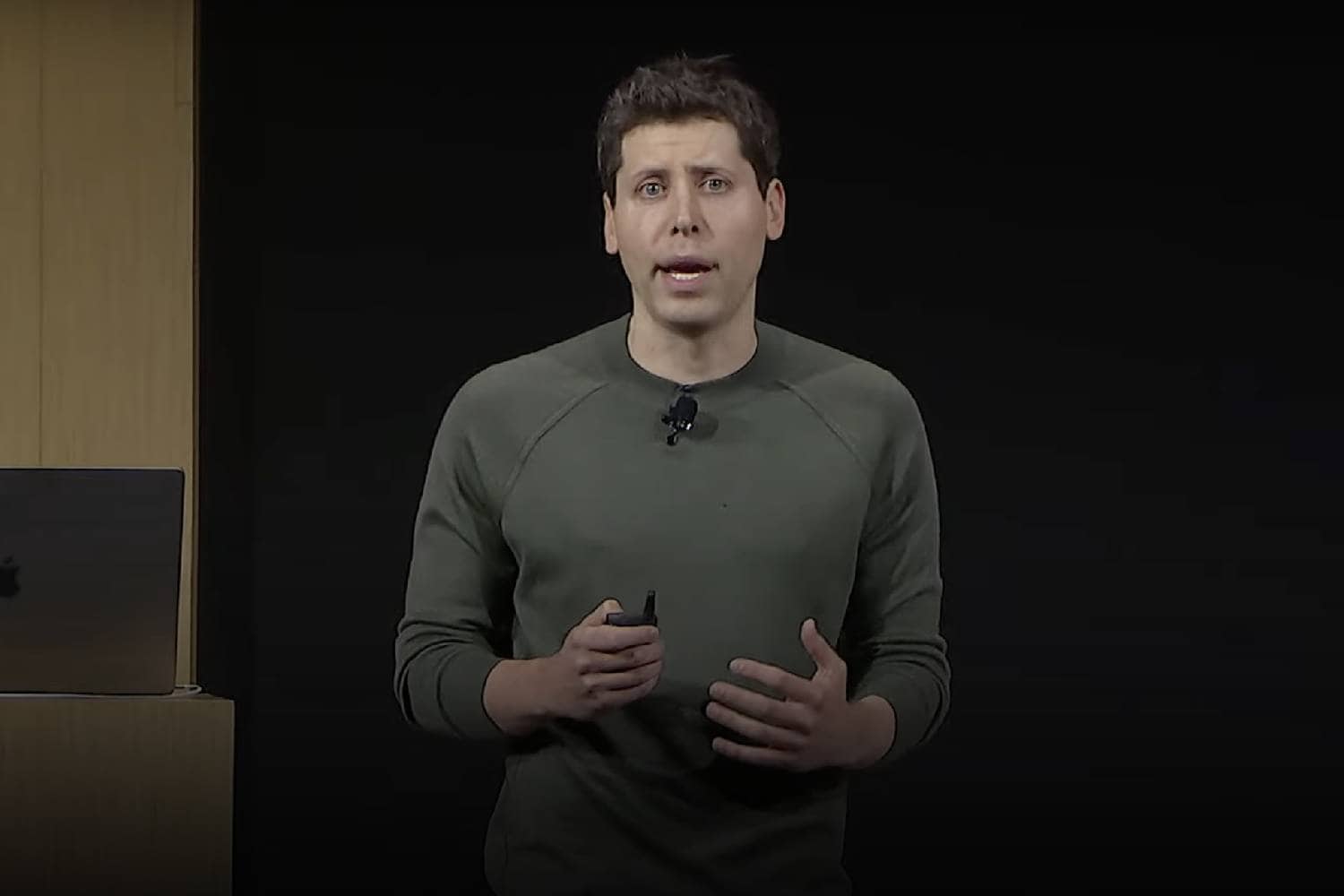
The plan, credited to chief executive Sam Altman, would value the government’s slice at roughly $42.6 billion based on the company’s $852 billion valuation from its March funding round, as reported by the Financial Times.
It is early-stage thinking rather than a signed deal.
Why OpenAI is dangling a government stake
Altman’s pitch is not really about OpenAI alone. He wants every leading American lab, Google, Meta and Anthropic included, to tip a matching 5% of equity into a shared public fund.
Think of it as a national piggy bank fed by the biggest names in artificial intelligence.
The model he keeps pointing to is the Alaska Permanent Fund, which pays residents a yearly dividend from the state’s oil wealth.
Altman’s twist is to swap crude for compute, letting ordinary people share in the returns of the AI boom rather than watching the gains pool at the top.
OpenAI has been circling this idea for a while. Back in April the company floated a public wealth fund that would give every citizen, invested or not, a slice of AI-driven growth, arguing that people deserve a durable stake in the systems quietly reshaping the economy around them.
How the GPT-5.6 delay set the stage
The timing is hard to ignore. The stake idea landed less than a week after OpenAI agreed to stagger the rollout of its GPT-5.6 family, handing early access to a small circle of partners after the government asked for a closer look at the frontier system.
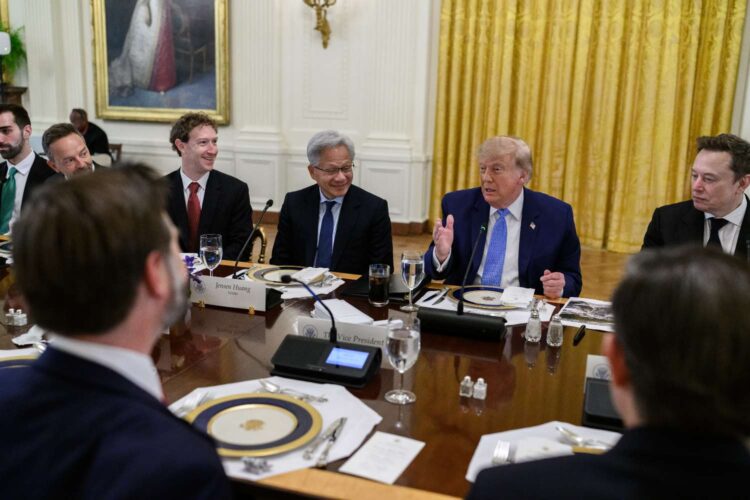
That delay flowed from a June executive order that gives officials up to 30 days to vet the most powerful models before a wide release. Altman is understood to have floated the equity idea with President Donald Trump, Commerce Secretary Howard Lutnick and Treasury Secretary Scott Bessent.
What critics say about the OpenAI government stake
Not everyone is sold. Governance scholars warn that a regulator holding equity in the very company it polices cannot enforce the rules with a straight face.
If the state profits when OpenAI profits, the argument goes, its appetite to rein in risky behaviour quietly shrinks.
For now the talks are conceptual, and any real handover would almost certainly need an act of Congress to get over the line.
The open question is whether rival labs buy into Altman’s public-fund vision, or leave OpenAI holding out a stake nobody else wants to match.