

A Tesla autopilot crash has killed a 76-year-old grandmother in Katy, Texas, after the car left the road and tore through her home, prompting a federal investigation that widened on Monday, 22 June 2026.
The driver, 44-year-old Michael Butler, told deputies the Model 3 was in Autopilot when it ploughed into the brick house at about 20:00 on Friday, 19 June 2026 (03:00 SAST, Saturday), as reported by Electrek, though that claim has not been independently verified by vehicle data.
What happened in the Tesla autopilot crash
Martha Avila, 76, was inside her home when the car travelling east through the residential street failed to hold its lane, left the roadway and smashed through the side of the building.
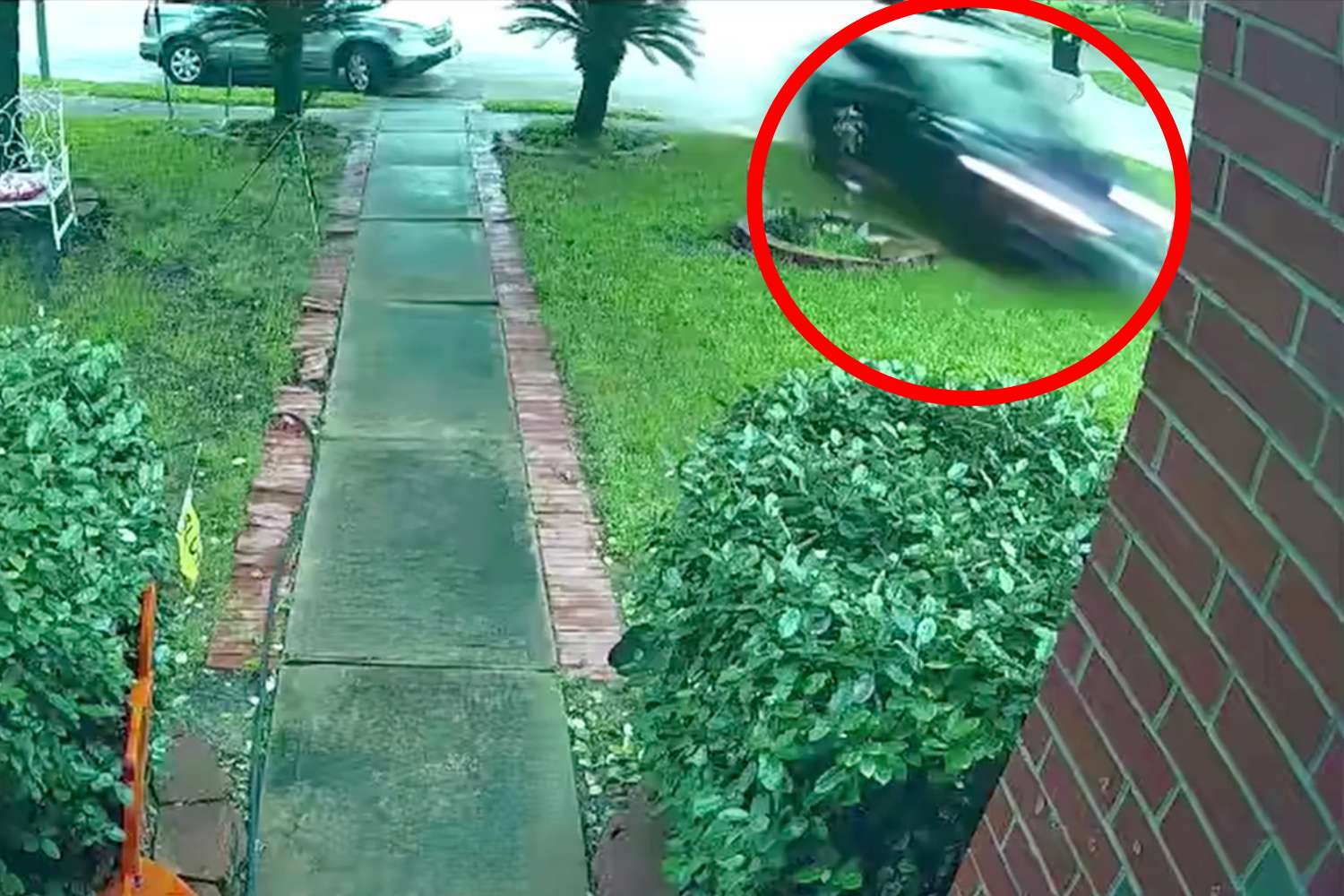
Surveillance and doorbell footage captured the vehicle moving at high speed in the moments before impact.
Avila was pinned in the wreckage and taken to a nearby hospital, where she later died from her injuries. Her daughter, Jennifer Barbour, described the moment the family found her.
“As I was talking to the 911 operator, that’s when we saw my mom, like under the rubble,” she said, recounting a scene of collapsed walls and debris.
Butler was taken to hospital by ambulance and showed no signs of intoxication, and authorities say he has been cooperating with the investigation.
His account that the driver-assistance system was engaged is now the central question, one that physical evidence at the scene alone cannot settle without the car’s own records.
Why the Tesla autopilot crash matters for the federal probe
The crash has been folded into a federal review by the National Highway Traffic Safety Administration, which opened an investigation that connects to a recall probe spanning roughly 3.2 million Tesla vehicles.
That scale is what lifts a single tragic crash into a story about the technology itself.
Investigators say they will pull the vehicle’s event data recorder and onboard logs to establish whether a driver-assistance feature was active, at what speed the car was travelling, and what inputs Butler made in the seconds before the collision.
Those logs are the only reliable arbiter of the autopilot claim.
Tesla’s driver-assistance branding has long drawn scrutiny over how much trust drivers place in systems that still require constant human attention.
Each high-profile incident sharpens the regulatory question of whether the marketing outpaces the engineering, and whether the safeguards do enough to keep a hand on the wheel.
What happens next sits with the data recorder. Once regulators read the logs, they will know whether Autopilot was engaged and how the system behaved, a finding that could either clear the technology or feed directly into the wider recall probe already hanging over millions of cars on the road.