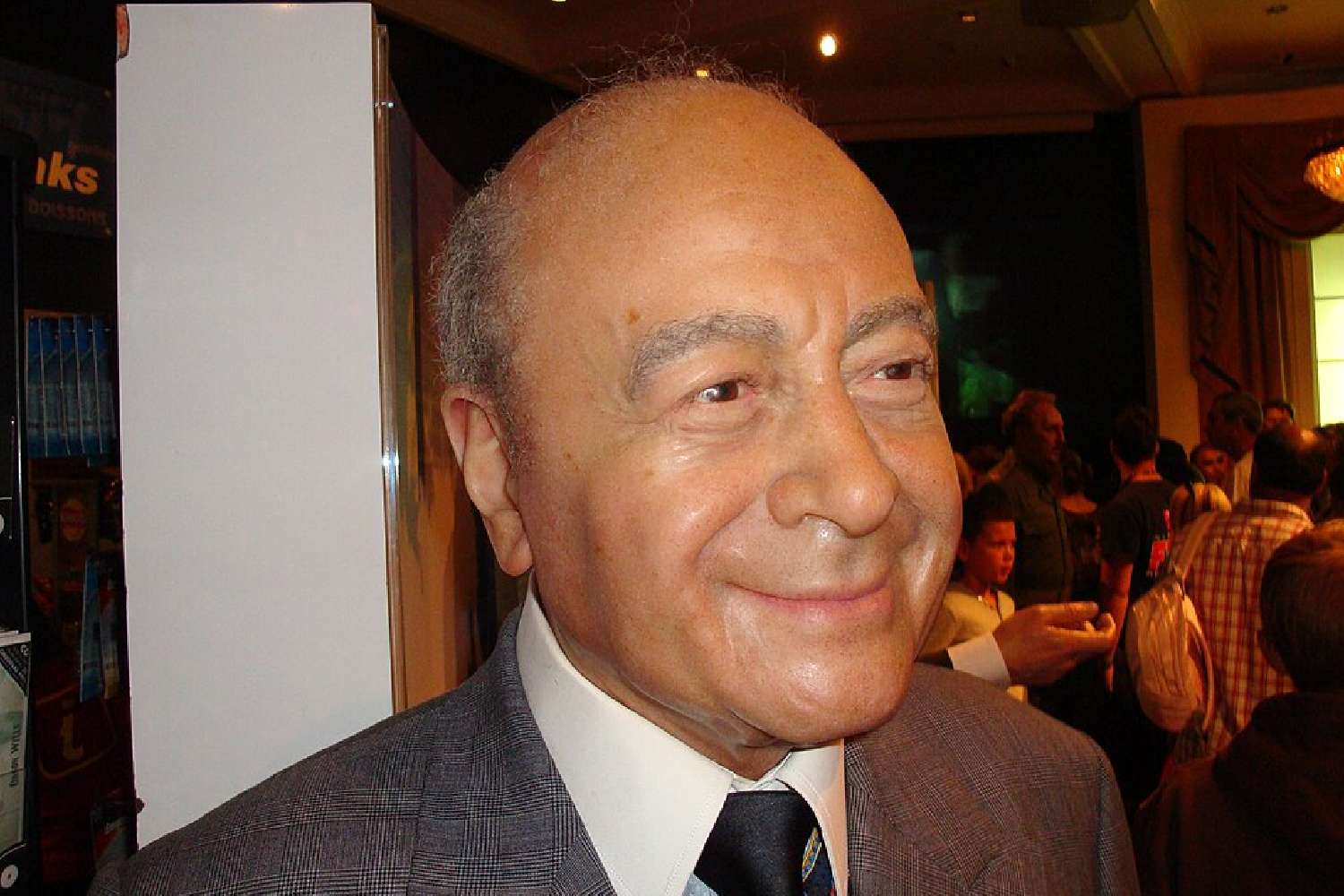

At least five Al Fayed trafficking victims have been recognised by the UK Home Office, it emerged on Sunday, 2 August 2026, confirming that women abused by the late Harrods owner were trafficked to him.
Mohamed Al Fayed, the Egyptian businessman who owned Harrods until 2010, died in 2023 aged 94 without facing a single charge, as reported by The Guardian.
More than 400 allegations of sexual misconduct against him cover the years 1977 to 2014.
How the Al Fayed trafficking victims were identified
Survivors had urged the Metropolitan Police to put trafficking at the centre of its investigation, arguing that Fayed could not have offended on that scale without a steady supply of women sent to him by associates.
The Home Office decisions now support that argument.
The five women were victims of international and domestic trafficking. One was recruited to a role inside Harrods that did not exist, while two others were hired for legitimate jobs and then selected from the shop floor.
The cases run from the 1990s to one that followed the 2010 sale of the store.
A survivor using the pseudonym Justine said she felt “shellshocked” when her conclusive grounds decision arrived in June, the formal Home Office finding that a person was trafficked or held in modern slavery.
She described reading it:
“But it’s a really significant thing, getting that decision, seeing it in writing that you were a victim of modern slavery and trafficking is very … it’s really shocking to read.”
Another survivor, known as Isabella, worked in the chair’s office at Harrods in 2001.
She has described an operation that stretched far beyond the Knightsbridge store, into the other businesses and properties Fayed owned or controlled around the world:
“He couldn’t have done what he did without Harrods processing women to him and silencing them afterwards. It wasn’t just Harrods, obviously. It was any entity that Fayed owned or had control of. It was his yachts, his aviation business, the Ritz Paris, his properties all over France and Monaco. It went as far as the States and the UAE, anywhere that man touched.”
What the Al Fayed trafficking inquiry is examining
The Metropolitan Police is examining who may have facilitated the offences in an inquiry called Operation Cornpoppy, and four people have been questioned so far, 21 months after it opened.
The Independent Office for Police Conduct is separately reviewing how the force handled allegations between 2018 and 2024.
The allegations against Fayed include rape, sexual assault, human trafficking, false imprisonment, drugging, physical violence and forced abortions.
Harrods has been under different ownership since 2010, and a spokesperson for the store commented on the police inquiry:
“Harrods supports all survivors in their pursuit of justice and continues to work closely with the Met police on its investigation.”
Because Fayed died before any charge was brought, no prosecution of him is possible.
What happens next turns on whether Operation Cornpoppy produces charges against anyone accused of enabling the offences, and on what the police watchdog concludes about the earlier handling of complaints.