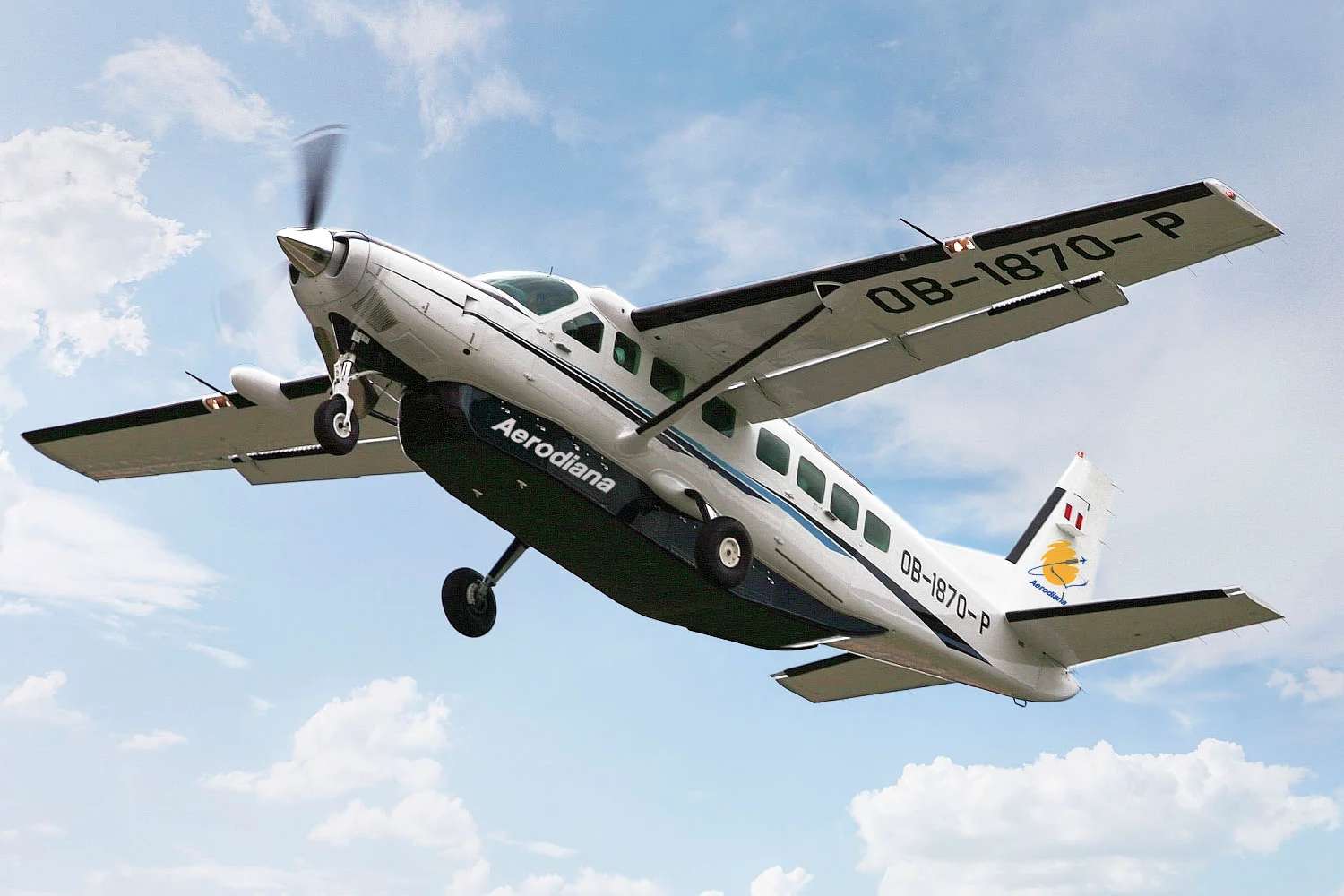

A Nazca Lines plane crash killed all 13 people on board on Saturday, 1 August 2026, when a sightseeing aircraft came down near the Peruvian city of Nazca after reporting a mechanical fault.
The aircraft was operated by Peruvian sightseeing airline Aerodiana and had taken off from Pisco Airport in the Ica region, as reported by Al Jazeera.
Those killed were 11 passengers and two crew members, among them both pilots.
What caused the Nazca Lines plane crash
The crash happened in the Pueblo Viejo area, about six kilometres from the city of Nazca and roughly 12 kilometres from the archaeological site, at around 12:55 local time (19:55 SAST).
The plane was preparing to begin its return journey when contact was lost.
Crew members had reported a mechanical problem shortly before radio contact was lost, and preliminary information points to an in-flight emergency.
Flames engulfed the crash site almost immediately, which prevented any attempt at rescue and left investigators working from wreckage that had largely burned out.
Who died in the Nazca Lines plane crash
The dead included seven Italian citizens, two Spaniards and two Germans, along with the pilot, Americo Salazar, and co-pilot Irenka Guanilo del Carpio.
Police Major Jorge Andrade addressed the toll while speaking to reporters at the scene:
“We have information that 11 passengers and two crew members have died.”
Why the Nazca Lines draw sightseeing flights
The Nazca Lines are a set of geoglyphs cut into the desert floor between 500BC and 500AD, and they are listed as a UNESCO World Heritage site. The figures are large enough that their shapes only resolve properly from the air, which is why light aircraft tours built up around them.
The overflights sit at the centre of the local tourism economy around Nazca, where visitors book short circuits that pass over figures including the hummingbird, the monkey and the condor.
Aircraft fly at low altitude and bank tightly so that passengers on both sides of the cabin can see them.
Peru drew more than 4.1 million tourists in 2025, and the aerial tours rank among the most heavily marketed excursions on the southern coast.
The aircraft used on the route are light types that carry fewer than a dozen people at a time.
What happens to Aerodiana now
Peruvian authorities have ordered Aerodiana to suspend all operations until investigators verify that the company complied with aviation regulations.
The suspension covers the airline’s full schedule rather than a single route, and it will remain in place while the technical inquiry into the aircraft runs its course.
Investigators will now examine the wreckage and the aircraft’s maintenance record to establish whether the reported fault caused the loss of control.
Aerodiana remains grounded until regulators are satisfied the airline meets the required standards, and the Nazca overflight tours stay off the schedule for as long as that takes.