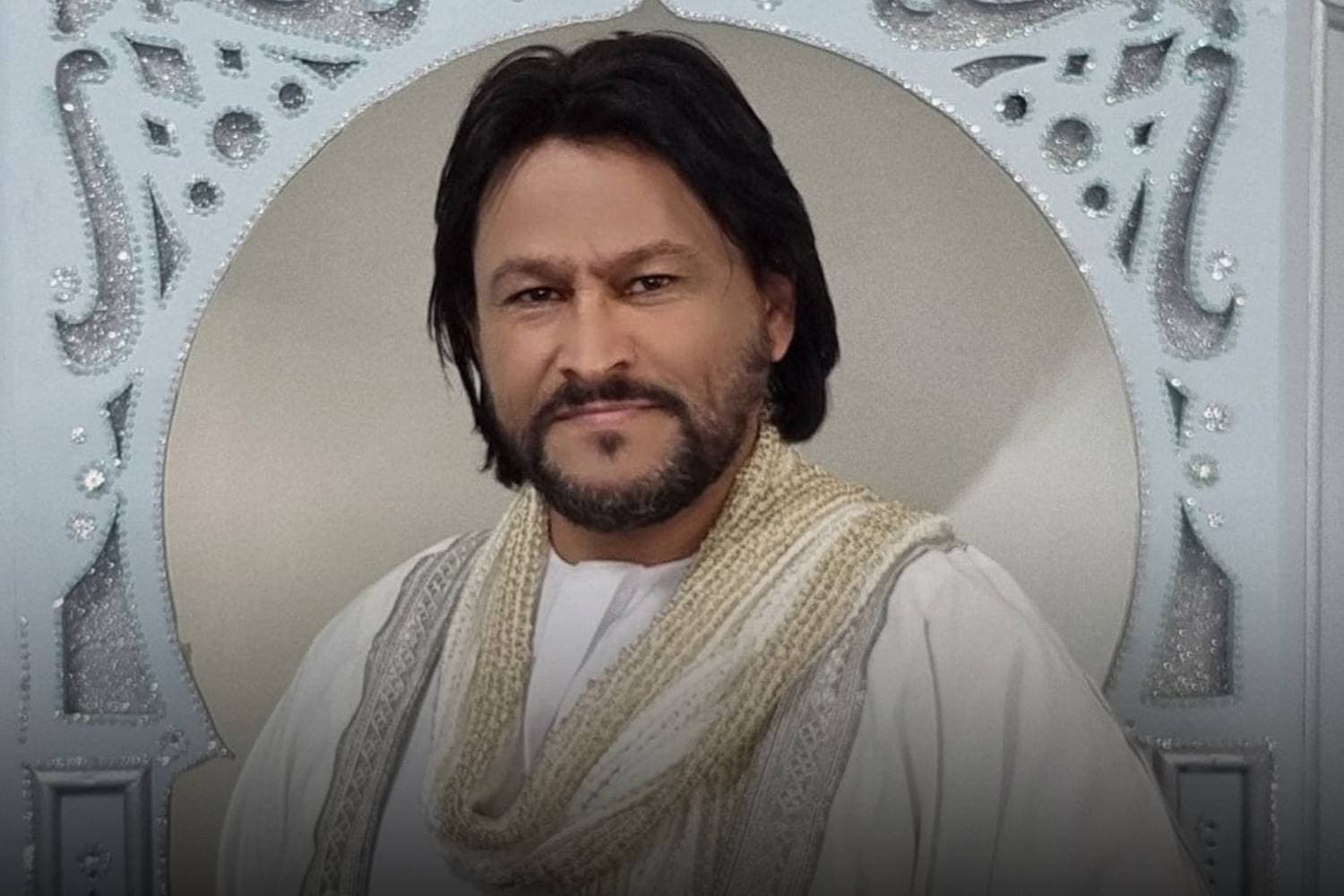


Muhsin Hendricks, widely known as the world’s first openly gay imam, was fatally shot in Bethelsdorp, Eastern Cape, on Saturday, 15 February 2025.
Who killed Muhsin Hendricks? – What we know about his final hours
The 57-year-old cleric was attacked while travelling in a car near Gqeberha, in what authorities describe as a planned ambush.
According to the police, CCTV footage from the scene shows a vehicle blocking the car in which Hendricks was a passenger. Two masked assailants exited the blocking vehicle and fired multiple rounds into the back passenger window before fleeing.
Hendricks was pronounced dead at the scene.
Speculation has arisen over whether his murder is linked to his role in officiating a lesbian wedding in Gqeberha before the attack.
However, police have not confirmed a motive and have stated that investigations are ongoing. No arrests have been made at this stage.
Hendricks’ death has sent shockwaves through LGBTQ+ and Muslim communities worldwide, with tributes pouring in from activists, religious leaders, and human rights organisations.
Hendricks’ legacy remembered
Born in Cape Town in 1967, Muhsin Hendricks was a trailblazer in advocating for LGBTQ+ inclusion in Islam.
Despite facing opposition from mainstream Muslim organisations, he dedicated his life to creating safe spaces for marginalised believers.
He first gained prominence in 1996 when he founded The Inner Circle, later renamed the Al-Fitrah Foundation, to support LGBTQ+ Muslims struggling with their identities.
He was also known for performing same-sex marriages, a move that sparked controversy within the Muslim Judicial Council, which issued a fatwa against him and other LGBTQ+ individuals.
In 2011, Hendricks established Masjidul Ghurbaah, an inclusive mosque in Cape Town. His activism extended beyond South Africa, taking him to Kenya and other countries where he campaigned for LGBTQ+ rights within religious communities.
Hendricks’ work was widely recognised in global interfaith networks, and he was featured in multiple documentaries, including A Jihad for Love and The Radical.
His murder leaves a significant void in the fight for LGBTQ+ rights in faith communities.
As investigations continue, his supporters are calling for justice and accountability, fearing that his killing may have been motivated by intolerance.