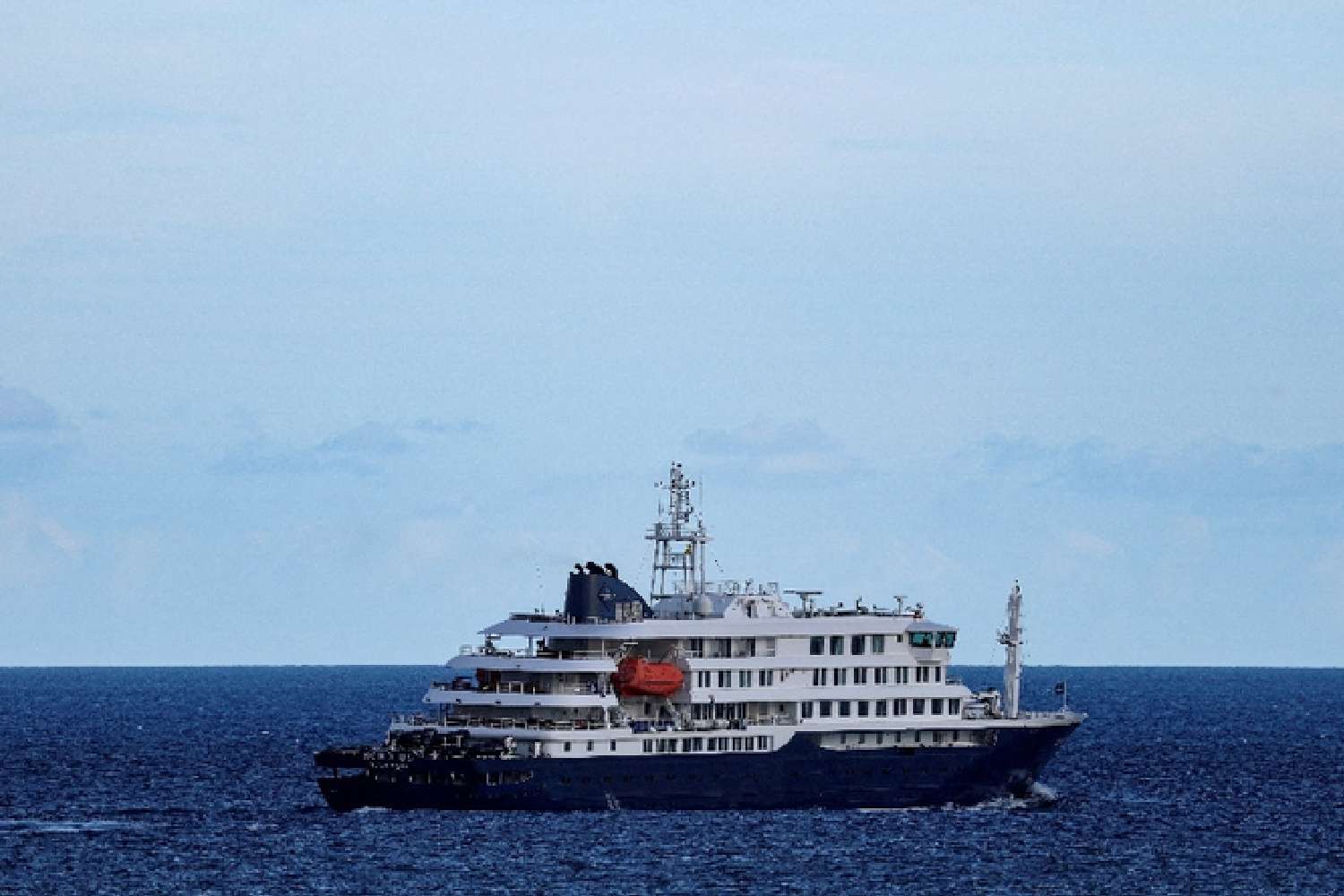


A Canadian passenger from the MV Hondius cruise ship has tested positive for hantavirus, adding to an outbreak that has killed three people and placed passengers in quarantine across more than a dozen countries, including South Africa.
The Dutch vessel departed Ushuaia, Argentina on 1 April 2026 for a remote South Atlantic voyage that included stops in Antarctica, South Georgia Island, Tristan da Cunha, Saint Helena and Ascension Island, as reported by NBC News.
By the time passengers disembarked in Tenerife, Canary Islands in early May, a deadly outbreak of Andes hantavirus had already emerged on board.
How the hantavirus cruise ship outbreak began
The Andes virus is a rare strain of hantavirus found primarily in South America, and it is the only known strain capable of spreading from person to person. Most hantavirus infections are contracted by inhaling dust contaminated with the urine, faeces or saliva of infected rodents; the Andes strain adds a further layer of risk because of its human-to-human transmission potential.
By 13 May 2026, health authorities had recorded eight confirmed cases and three suspected cases directly linked to the MV Hondius.
Three passengers have died, two of whom have been confirmed to have succumbed to the Andes virus. The ship itself arrived in Rotterdam on 18 May 2026 with 27 crew members still on board.
The Canada case and who is being monitored globally
On 16 May 2026, Canadian health authorities confirmed that a former Hondius passenger had tested presumptively positive for Andes hantavirus. The individual was showing mild symptoms and was hospitalised along with their spouse, who was also experiencing mild symptoms. Both remain in isolation.
South Africa is among the countries currently monitoring former passengers. Other nations listed by health authorities as having returned travellers under observation include Australia, France, Germany, the Netherlands, Singapore, Spain, Switzerland, Turkey and the United States.
In the US, 18 former passengers are under surveillance at medical units in Nebraska and Atlanta.
How worried should you be about hantavirus
The World Health Organisation has assessed the risk to the global population from the MV Hondius outbreak as low. The Andes virus does not spread easily, and the outbreak is linked to a single vessel and a finite group of passengers who have since been identified and, in most cases, located by health authorities.
That said, hantavirus infection carries a high fatality rate when it progresses to hantavirus pulmonary syndrome, the most severe form of the illness. Early symptoms include fever, muscle aches and fatigue before the disease can escalate to respiratory failure within days.
There is no specific antiviral treatment approved for hantavirus; supportive care in a clinical setting is the standard response.
What happens next
Health authorities across the affected countries are continuing to monitor all former passengers for symptoms, with isolation protocols in place for those who test positive or develop illness.
The WHO has stated it will update its risk assessment as new information emerges from national health authorities.
The full epidemiological picture of the Hondius outbreak is not yet complete. Health authorities in the affected countries, South Africa included, are expected to publish updated case figures and monitoring reports as contact tracing concludes in the coming days.