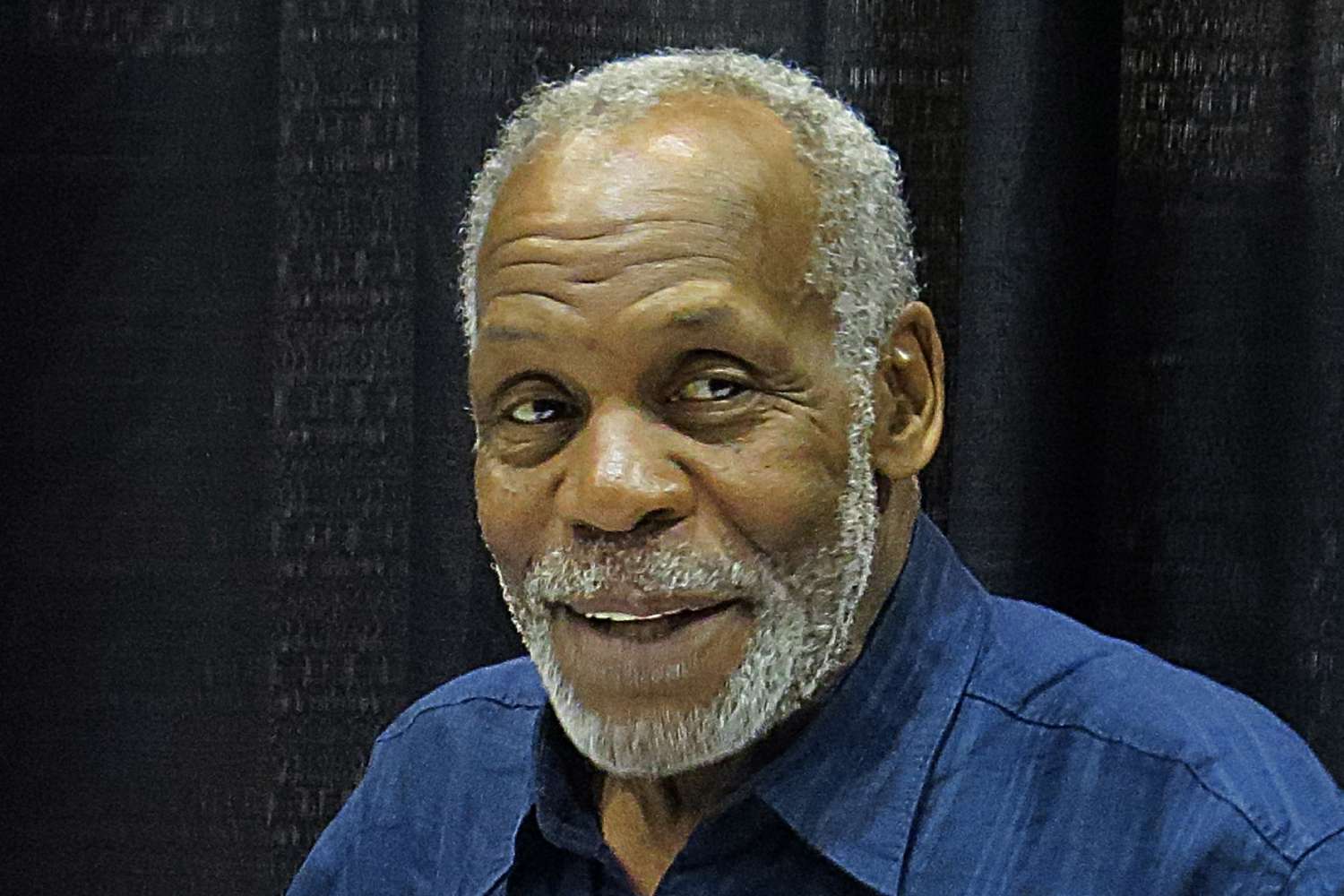


Danny Glover has revealed his Alzheimer’s diagnosis, telling a television interview that he has been living with the progressive disease for several years and is leaning on his family as the condition slowly advances.
The 79-year-old actor, best known for the Lethal Weapon films, sat down with veteran American news anchor Lester Holt for an interview taped at his home and aired on Wednesday, 1 July 2026, as reported by NBC News.
Several of his family members appeared alongside him throughout.
What Danny Glover said about his Alzheimer’s diagnosis
Glover was measured and calm as he spoke about the condition, telling Holt, “I can live with it, in a sense.” He did not shy away from what lies ahead either, adding, “I’m sure as it advances, things are going to be different and changing,” in a rare moment of public candour about his health.
He was first diagnosed in 2022, the same year he received an honorary Oscar for a career spanning five decades of film and activism.
The disease has since slowed his movement and affected his speech, yet he spoke openly and without any visible reluctance about exactly where he now stands.
Why the family chose to speak now
Glover made clear he is not facing the diagnosis alone. Talking about the people around him, he said simply, “They’ve got my back,” a line that captured the tone of an interview built around family rather than fear.
His relatives sat with him throughout the conversation at home.
The family said they hoped that going public would help chip away at the stigma that still surrounds Alzheimer’s, particularly the silence that so often follows a diagnosis like this one.
For a man who spent decades in the public eye as an activist as much as a performer, speaking plainly felt entirely in character.
Glover built one of the most recognisable careers in modern cinema, from the Lethal Weapon films alongside Mel Gibson to dramas such as The Color Purple, all while campaigning on political causes off screen.
Alzheimer’s, the most common form of dementia, is progressive and currently has no cure, which makes such candour from a public figure of his standing genuinely uncommon.
What happens next
Glover has not announced any change to his public commitments, and the interview was framed as a moment of honesty rather than a farewell to his craft.
With his family firmly beside him, the focus now shifts to how he chooses to manage the condition privately as it progresses, on his own terms and at his own pace.