

The South African Human Rights Commission opened a two-day public investigative inquiry into Gauteng’s water crisis on 19 May 2026, with municipal managers summoned to account amid growing allegations of a water tanker corruption network operating across the province.
The SAHRC is holding the inquiry at the Human Rights Conference Room at Constitution Hill in Braamfontein, Johannesburg, with sessions running from 08:00 to 16:00 daily through to 21 May 2026.
Government departments, municipalities, water entities, civil society groups and affected communities have all been invited to participate in the proceedings, as reported by IOL.
The inquiry examines whether Gauteng’s sustained water outages amount to a human rights violation.
What the SAHRC Gauteng water inquiry is examining
Municipal managers from Johannesburg, Tshwane and other affected metros are expected to appear before the commission to account for infrastructure spending, maintenance backlogs and the adequacy of emergency interventions put in place for residents without reliable water access.
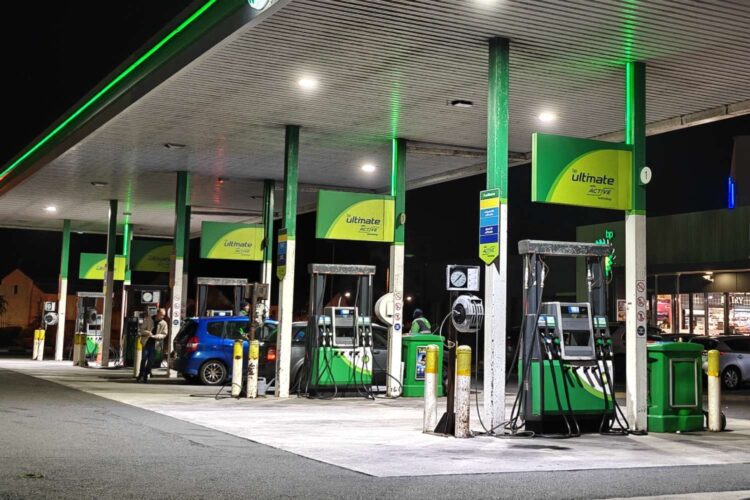
Among the central concerns before the inquiry is a network of private water tanker operators that critics have labelled the “Tanker Mafia,” a term describing allegations that private suppliers are commercially benefiting from ongoing municipal infrastructure failure.
The SAHRC has warned in prior communications that the nature of the crisis may already constitute a violation of residents’ constitutional right of access to water.
The two-day proceedings are investigative rather than punitive at this stage, but the commission has the power to make findings and recommendations that carry significant public and legal weight.
The scale of Gauteng’s infrastructure crisis
Johannesburg faces a water infrastructure backlog estimated at R32.5 billion, with 22% of the city’s water assets currently classified in poor or very poor condition.
Tshwane has separately identified R29 billion in urgent upgrades needed to stabilise its ageing network and has already spent R621 million on outsourced water tanker services during the 2024/25 financial year alone.
The root cause of the crisis is not a shortage of raw water. Dams in Gauteng’s supply catchment are not critically depleted.
The problem is distribution: for every four litres Rand Water pumps into the system, one litre is estimated to be lost through leakage in ageing municipal infrastructure across the province.
What the inquiry means for millions of residents
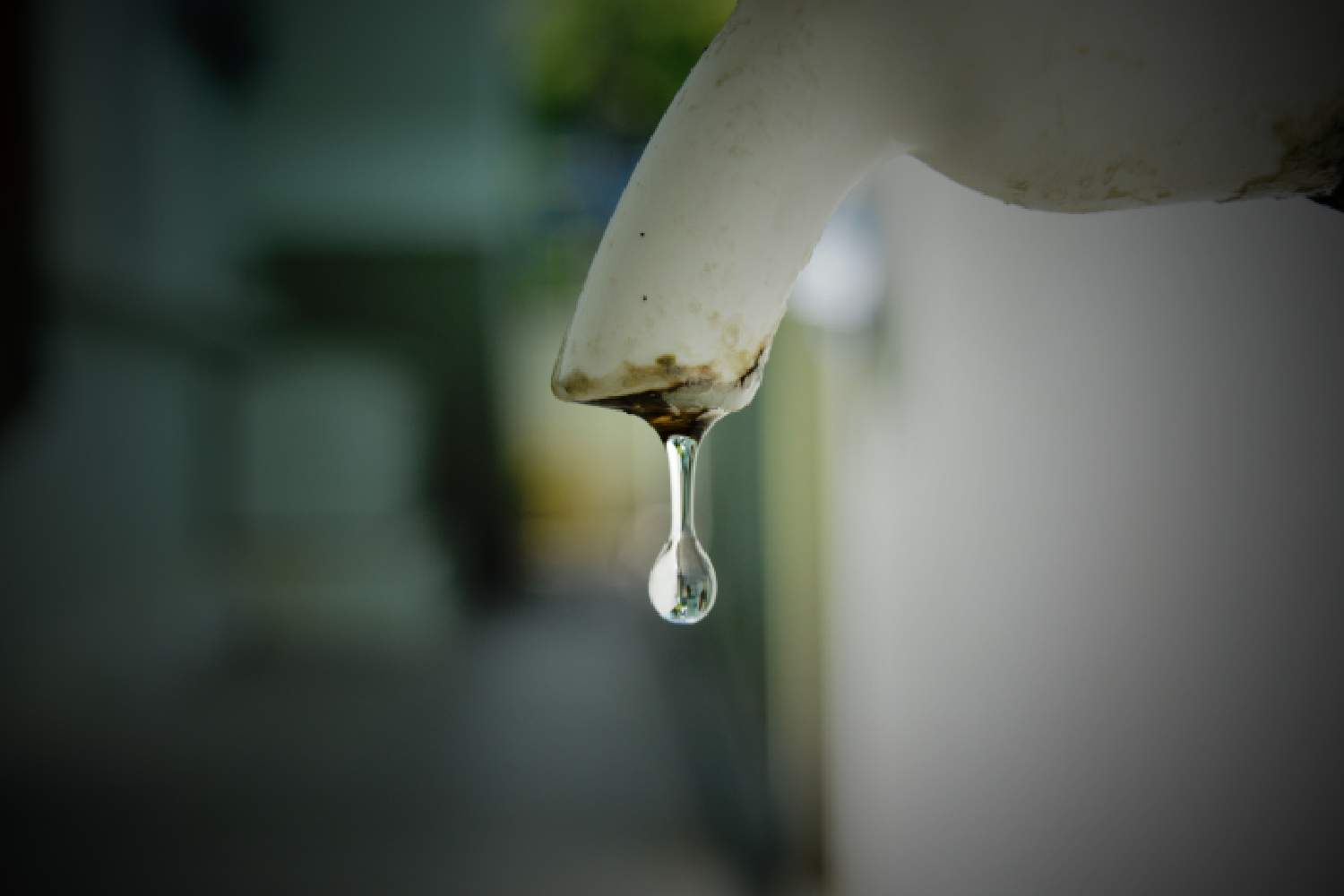
Communities across Gauteng have endured months of rolling water outages, dry taps and inconsistent supply without any credible timeline for permanent resolution.
The SAHRC inquiry provides the most structured public accountability mechanism that has been applied to the crisis to date, compelling municipal officials to answer for decisions and spending in a formal commission setting.
Whether the commission’s findings lead to accelerated infrastructure investment, formal accountability measures against specific officials or referrals to other oversight bodies will depend on what is submitted and tested over the next two days.
A formal report from the commission is expected to follow the conclusion of proceedings on 21 May 2026.