
Israel launched airstrikes on Iranian military targets on Monday, 8 June 2026, as Iran fired close to 30 ballistic missiles at Israel, marking the first direct exchange between the two countries since a ceasefire agreement was reached in April.
The strikes, which the Israeli Defence Forces confirmed on Monday morning, targeted air defence systems that Iran had moved to restore following Operation Roaring Lion, the Israeli offensive that degraded those capabilities months earlier.
Dozens of Israeli warplanes took part in the raid, which also hit a petrochemical complex in Mahshahr in southwestern Iran, as reported by NPR.
The initial trigger for the escalation was a series of Israeli airstrikes on Lebanon on Sunday, targeting Hezbollah positions in the Beirut suburbs.
Tehran had long warned that continued Israeli operations in Lebanon would constitute a breach of the ceasefire terms, which extended to proxy forces across the region and not only to direct Iran-Israel hostilities.
What the Israeli strikes targeted in Iran
The Israeli military said it struck air defence systems across western and central Iran, including sites in Tehran, Isfahan, Tabriz and Karaj.
Iranian authorities reported no casualties in the capital or at a military centre in Tabriz, and Tehran’s Mehrabad Airport suspended all flights following the raids.
The operation marked the first time Israel had struck Iranian territory directly since the April ceasefire was declared, crossing a threshold both sides had appeared committed to avoiding for two months.
The Israeli air force described the raids as a targeted response to the threat posed by Iran’s restored defensive capabilities, framing the strikes as a preemptive measure rather than an escalation.
Iran fires back, then stands down
Iran responded by firing close to 30 ballistic missiles at Israel, targeting areas near Dimona and Arad in southern Israel.
Three waves of missiles were intercepted by Israeli air defences before they could strike populated areas. The exchange fell on the war’s 100th day, a grim milestone that underlined how far the region remained from a durable resolution.
Iran’s military declared it was halting further attacks, stating that Israel had “learned a lesson.”
Iranian parliamentary speaker Mohammad Bagher Ghalibaf had earlier cited the United States’ naval presence in the region and continued Israeli operations in Lebanon as violations of the original ceasefire terms.
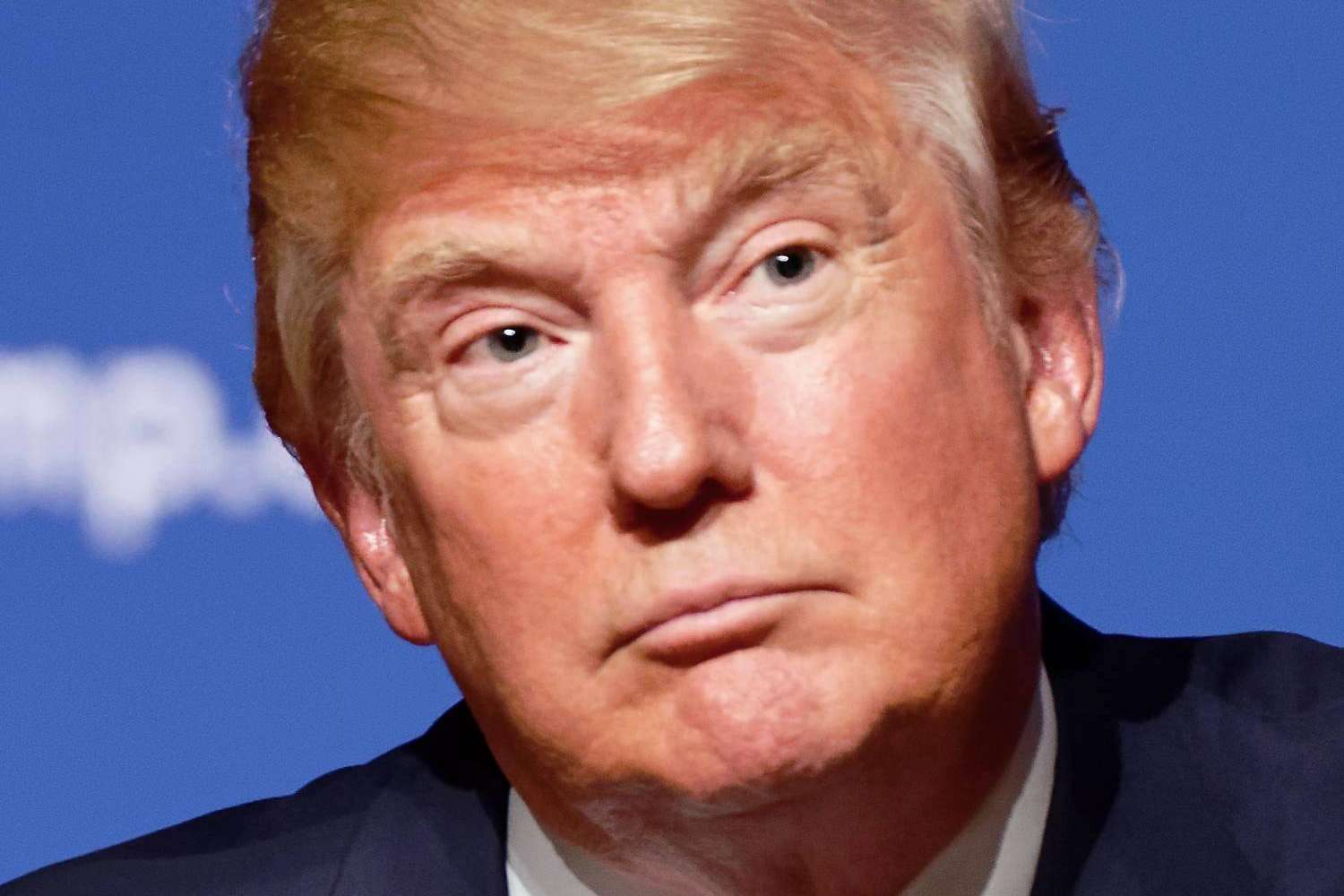
US President Donald Trump called on both countries to stop.
“Israel and Iran must immediately stop shooting,” he wrote on social media.
He followed with a second post:
“Both sides, Israel and Iran, are looking to do an immediate CEASEFIRE! Final negotiations on Peace are proceeding, subject to ignorance or stupidity getting in its way.”
The 2026 Iran-Israel conflict, which began in February when Israel and the United States launched coordinated strikes on Iran, has significantly degraded Iran’s nuclear infrastructure and reshaped the region’s military balance.
The ceasefire reached in April left the underlying disputes over Lebanon, the Strait of Hormuz and regional proxy operations unresolved, and those fault lines are now producing the predictable friction.
With Iran standing down and US pressure for an immediate halt, attention turns to whether talks can resume before either side chooses to escalate again, and whether the Strait of Hormuz remains open as negotiations continue.