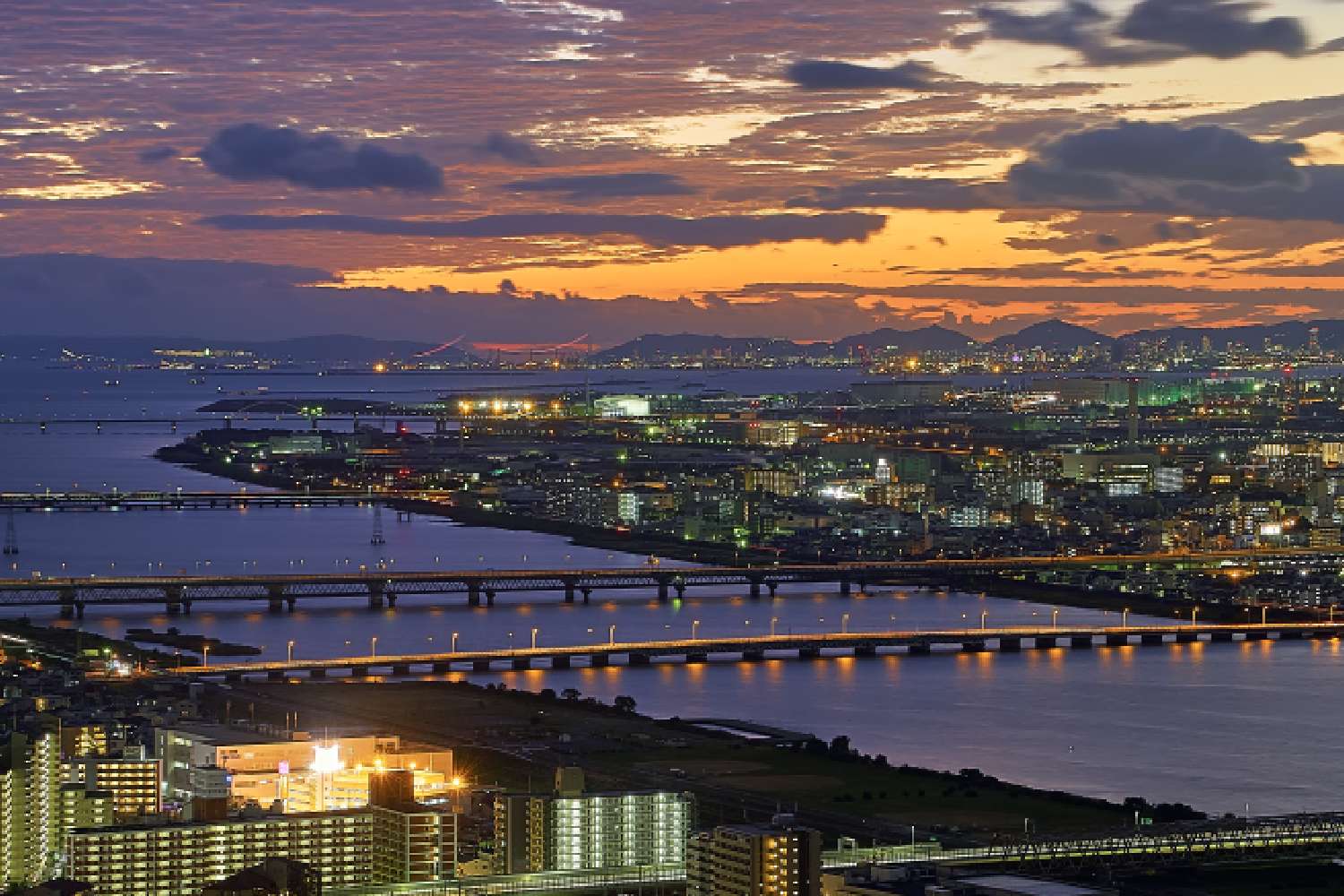


A powerful 7.5-magnitude earthquake struck off the coast of Iwate Prefecture in northern Japan on Monday afternoon, 20 April 2026, prompting authorities to issue a tsunami warning of up to three metres, order the evacuation of nearly 172,000 people across five prefectures, and, critically, raise an advisory warning of a heightened risk of a far larger earthquake in the coming days.
The quake struck at a depth of 20 kilometres approximately 100 kilometres off the Iwate coastline at 16:53 local time (09:53 South African Standard Time).
Japan’s Meteorological Agency initially issued a three-metre tsunami warning for Iwate Prefecture and parts of Hokkaido and Aomori, later downgrading the alert to a tsunami advisory as observed wave heights fell short of the initial projections.
Waves, evacuations and no confirmed casualties
An 80-centimetre tsunami struck Kuji Port in Iwate Prefecture, while Miyako Port recorded a wave of 40 centimetres. Japan’s disaster management agency ordered the evacuation of 171,957 people across five prefectures as a precautionary measure, urging coastal communities to move to higher ground and stay away from the shore.
Chief Cabinet Secretary Minoru Kihara addressed reporters on Monday evening, confirming that no casualties or major structural damage had been recorded as of the time of his briefing.
“We are making every effort to assess the situation and carry out emergency disaster response measures, including search-and-rescue operations,” Kihara told a news conference in Tokyo.
The Japanese government established a crisis management centre in response to the earthquake, and emergency services were deployed across the affected prefectures. Kihara said the situation remained under active assessment and that authorities would issue further updates as information was confirmed.
Mega-quake advisory raises alarm
The most significant development in the hours following the initial earthquake was the issuance of a rare advisory by the Cabinet Office and the Japan Meteorological Agency, warning of an elevated risk of a mega-quake on Japan’s northern coast in the days ahead.
The agency said there is a one per cent chance of a mega-quake occurring along the northern Japanese coastline in the next week, compared to a baseline probability of 0.1 per cent under normal conditions.
While a one per cent probability may appear low in absolute terms, the advisory reflects the same framework Japan uses for its well-established Nankai Trough monitoring system along the country’s southern coast.
The Japan Meteorological Agency’s official advisory stated:
“There is a heightened risk of a powerful earthquake along the northern Japanese coast in the next week. Residents in coastal areas should remain vigilant and ensure they are prepared for rapid evacuation.”
The agency emphasised that the advisory did not mean a mega-quake was imminent, but that preparedness was essential given elevated geological conditions in the Chishima trough zone.
Japanese authorities urged residents in coastal prefectures to carry emergency supplies sufficient for at least one week, keep emergency bags packed and remain vigilant to further official warnings. Residents were advised to have ready plans for rapid evacuation should conditions change.
What it means for South Africans travelling to Japan
South Africa has a growing number of citizens and businesses with connections to Japan, particularly through trade and tourism.
The South African Embassy in Tokyo has advised South African nationals in Japan to follow all instructions issued by Japanese authorities and to register with the Department of International Relations and Cooperation’s registration service if they have not done so.
Japan is one of South Africa’s most significant trading partners in Asia, with bilateral trade in automotive components, manganese, and platinum group metals a key economic link. Disruptions to Japanese manufacturing or logistics as a result of the earthquake could have downstream effects on supply chains in which South African exporters participate.
The situation was continuing to evolve as at the time of writing. Swisher Post will provide updates as the situation develops.