

Knysna Day Zero contingency measures are being tightened as the municipality warns residents to prepare for reduced pressure and possible periods without running water, while the Western Cape government weighs further disaster interventions amid critically low dam levels.
Knysna Day Zero looms: Here’s what we know
According to Knysna Municipality, the town’s water reticulation system may shut down imminently “to avoid total collapse”.
“Day Zero is approaching and water shut offs are coming. Pressure will be reduced and taps may run dry for hours or days,” the municipality warned.
Day Zero is the point at which the normal supply system can no longer reliably deliver water to households through the usual network, requiring emergency collection arrangements.
If Day Zero arrives, residents would have to queue for an allocated 25 litres per person per day, a national standard for daily needs.
The municipality urged residents to comply with Level 4 water restrictions and said households must aim to use no more than 50 litres per person per day. It said inspectors were active and warned that “excessive and illegal users” could face punitive tariffs, disconnections, and collection of water rations from specified points.
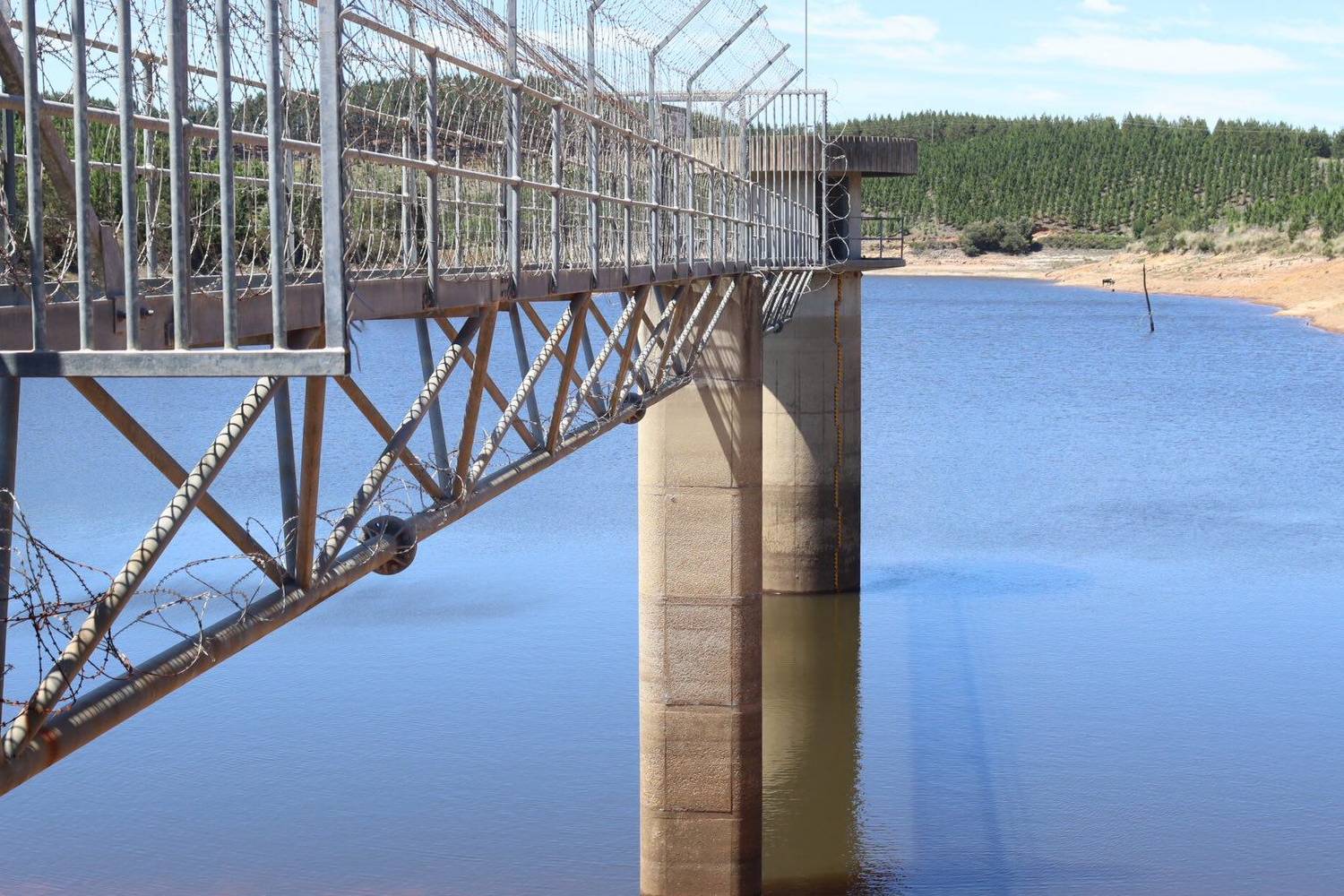
Data published on the municipality’s Daily Water Dashboard listed the Akkerkloof Storage Dam at 19.6%, with the dashboard showing it was last updated on 20 January 2026.
The same dashboard reflected a daily dam level change of +1.6% and daily water production of 13 704 kilolitres.
In its public warning, the municipality also highlighted the broader disruption that water shut offs can cause to routine household functioning and essential services, particularly where hygiene, sanitation, and emergency response depend on consistent water supply.
It called for immediate demand reduction, stating that using less than 50 litres per person per day and adhering to the restriction rules could help delay or avoid Day Zero.
Knysna water drought could be declared a provincial disaster
The municipality said it was working with provincial and national government to respond to what it described as a “current water disaster”, and noted that the Knysna Council declared the greater Knysna municipal area a local disaster area on Friday, 16 January 2026, under the Disaster Management Act.
Moreover, Premier Alan Winde met with provincial leadership on Wednesday to discuss whether Knysna should be declared a provincial disaster area, describing a situation in which “critically low dam levels” were placing severe strain on the town’s supply, with “only days of water left in the system”.
The Western Cape premier pointed to urgent interventions, including alternative water sources, infrastructure upgrades, and better water management aimed at reducing future risk.
From what we understand, the municipality plans to drill seven new boreholes over the next month, interventions the provincial government viewed as a constructive step
Boreholes are drilled water points that can supplement supply where groundwater conditions allow.
“And they will be looking at more water coming in from the various systems, some springs, some new boreholes, so that we can make it sustainable, and that’s about declaring a disaster if it’s necessary and making sure that we get through this crisis,” Winde said.
A provincial disaster declaration would allow faster access to funding and resources to help stabilise the situation and protect essential services, a step that typically aims to speed up coordination and response when normal processes are too slow for the scale of the disruption.