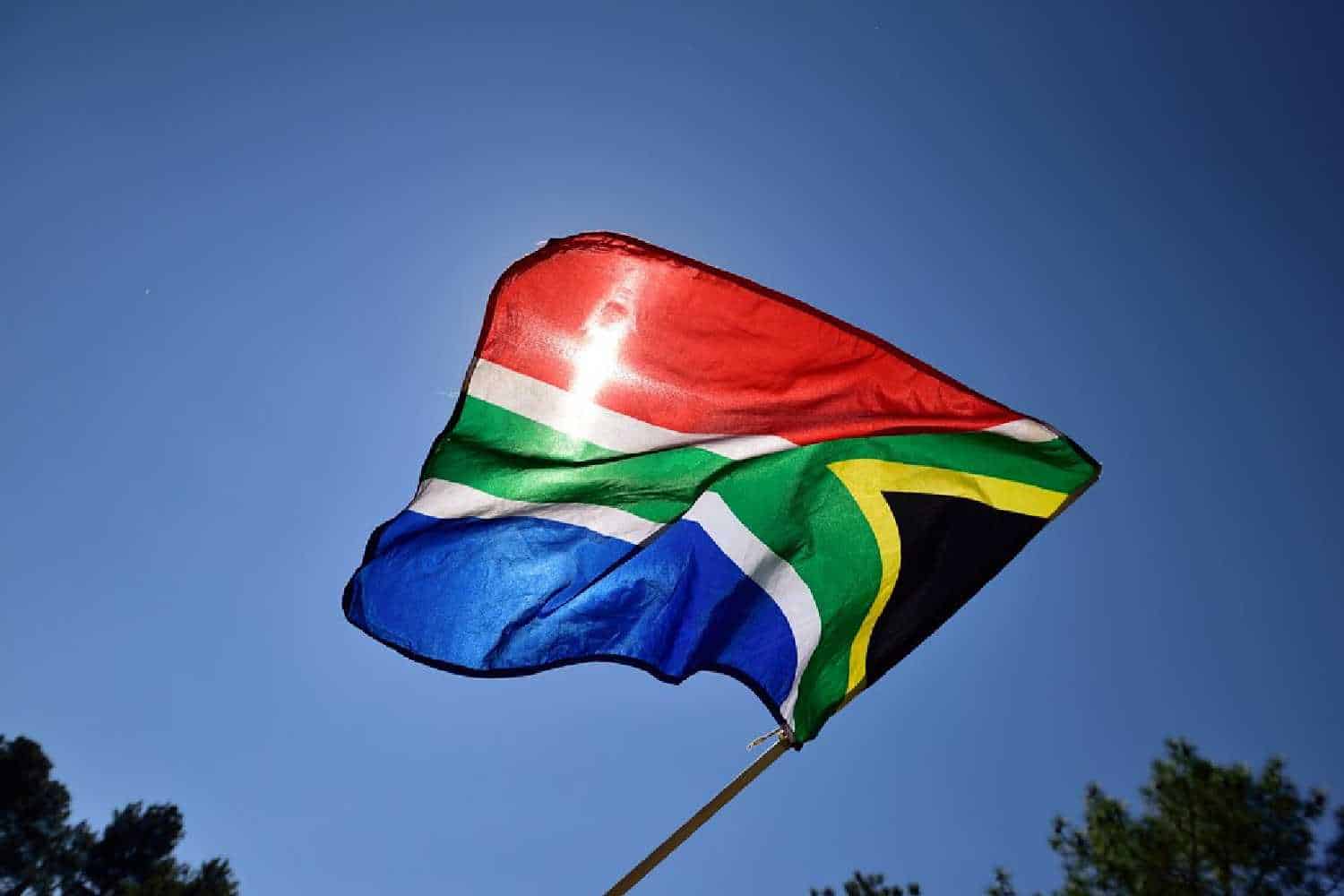


South Africa is observing Freedom Day on Monday, 27 April 2026, marking 32 years since the country held its first democratic elections. The national public holiday commemorates the day in 1994 when South Africans of all races cast ballots in a general election for the first time, ending decades of apartheid rule and electing Nelson Mandela as the country’s first democratically chosen president.
This year’s anniversary arrives at a complicated moment for the country’s democratic project. Young South Africans are increasingly vocal about a growing disconnect between the ideals of 1994 and the conditions many of them live with daily, with youth unemployment, inequality and service delivery failures dominating their concerns.
As reported by The Witness, interviews with young South Africans conducted ahead of Monday’s commemoration revealed a recurring theme: a sense that freedom was won in 1994, but its material benefits remain unevenly distributed.
Thirty-two years on: what has changed, what has not
South Africa’s transition to democracy in 1994 is widely regarded as one of the most significant peaceful political transitions of the 20th century.
The years that followed brought formal legal equality, an expanded social grant system, broad access to schooling and significant growth in the black middle class.
But three decades on, the country remains one of the most unequal societies on earth by standard economic measures, and its youth unemployment rate has consistently ranked among the highest in the world.
Freedom Day falls this year as the African National Congress governs in a Government of National Unity, the broad coalition it was forced to form after losing its parliamentary majority in the 2024 general elections for the first time in its 30-year tenure.
The shift marked an inflection point in South African electoral politics, though whether it translates into structural change remains the central question facing the country’s political class.
How the day is being marked
National commemorations are held across all nine provinces annually, with official events typically featuring addresses from senior government officials and programming centred on the theme chosen for that year.
chools, government offices and many private sector businesses are closed for the day.
For many South Africans, the day carries personal weight that sits alongside the political. Families who lived through the apartheid era often mark it as a moment of genuine reflection, while the generation born after 1994, the so-called Born Frees, approach it with more ambivalence, shaped by a lived reality that differs significantly from the optimism their parents describe from that first polling day.
The next national test of South Africa’s democratic institutions is the 2026 local government elections, which are expected later in the year and will provide the clearest indication yet of whether the 2024 general election result represents a lasting realignment in voter behaviour.