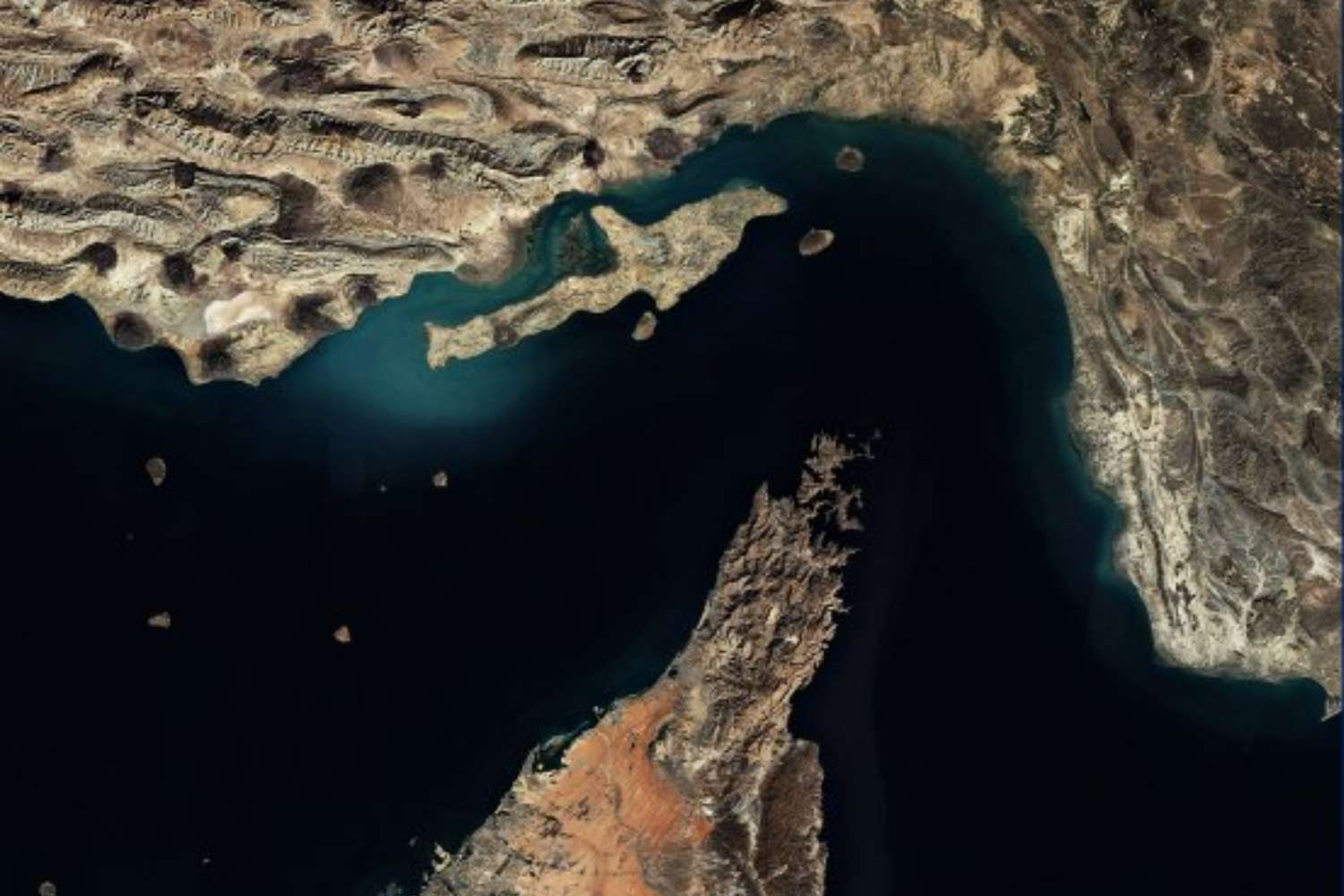
The Strait of Hormuz reopening moved a step closer on Sunday, 14 June 2026, after US President Donald Trump authorised lifting the naval blockade and Iran confirmed an initial deal to end the war.
The agreement is expected to halt the United States naval blockade, reopen the Strait of Hormuz to toll-free shipping and start 60 days of talks on Tehran’s nuclear programme, as reported by NPR.
The waterway carries about a fifth of the world’s oil and has been largely closed since late February.
What Trump ordered on the Strait of Hormuz
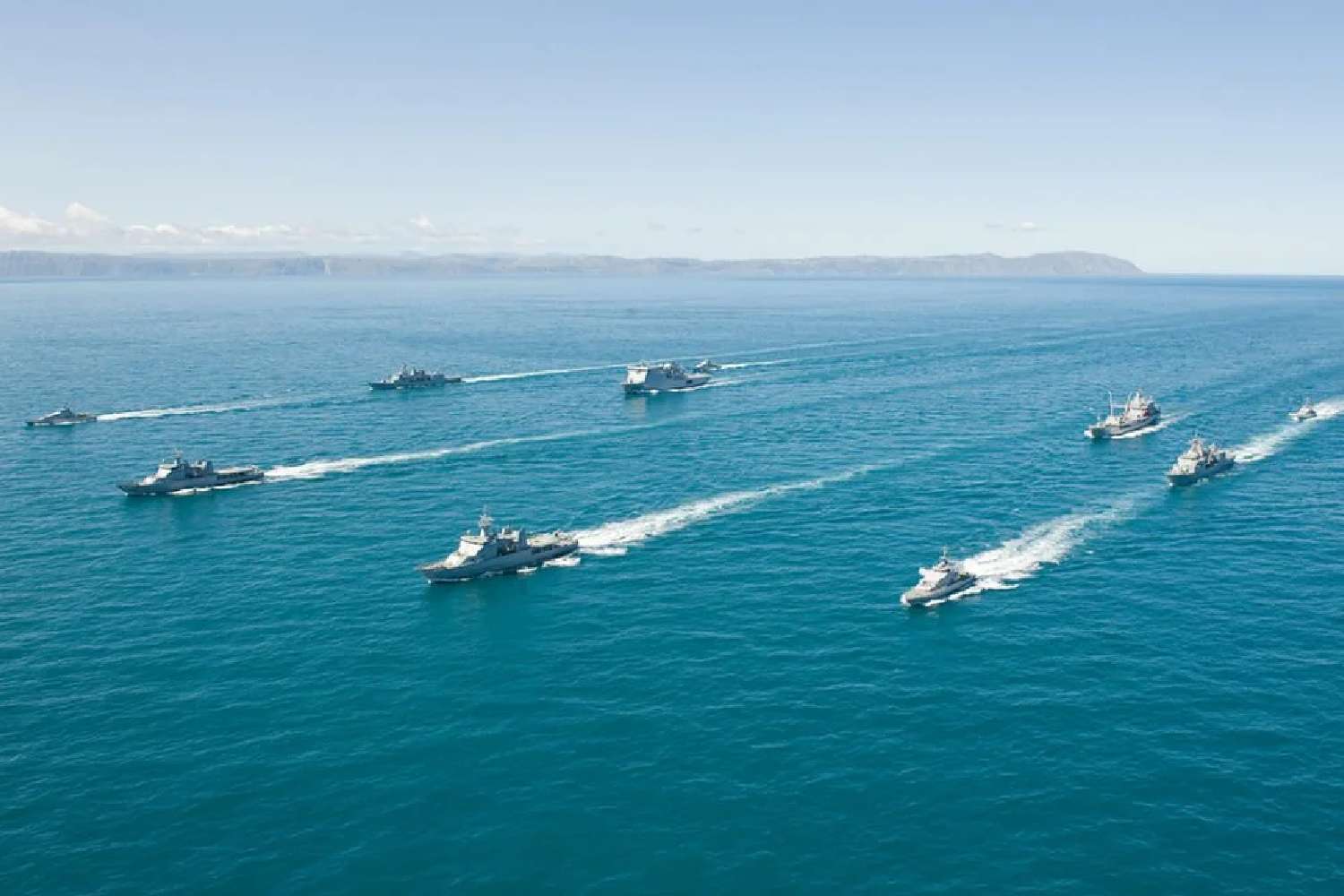
Trump said he had cleared the way for shipping to resume immediately.
“I hereby fully authorise the toll free opening of the Strait of Hormuz, and, simultaneously herewith, authorise the immediate removal of the United States Naval blockade,” he wrote.
He added:
“Ships of the World, start your engines. Let the oil flow!”
The blockade had been in place since the United States and Israel launched strikes on Iran in late February, a campaign that pushed the region to the brink and rattled global energy markets for months.
The order to pull back the navy marks the clearest step yet towards ending the fighting.
Why the Strait of Hormuz reopening matters
The Strait of Hormuz reopening carries direct weight for South African motorists, because the chokepoint sets the tone for global oil prices.
Brent crude spiked above $120 a barrel during the blockade and has since eased back towards $92 as traders bet the truce will hold.
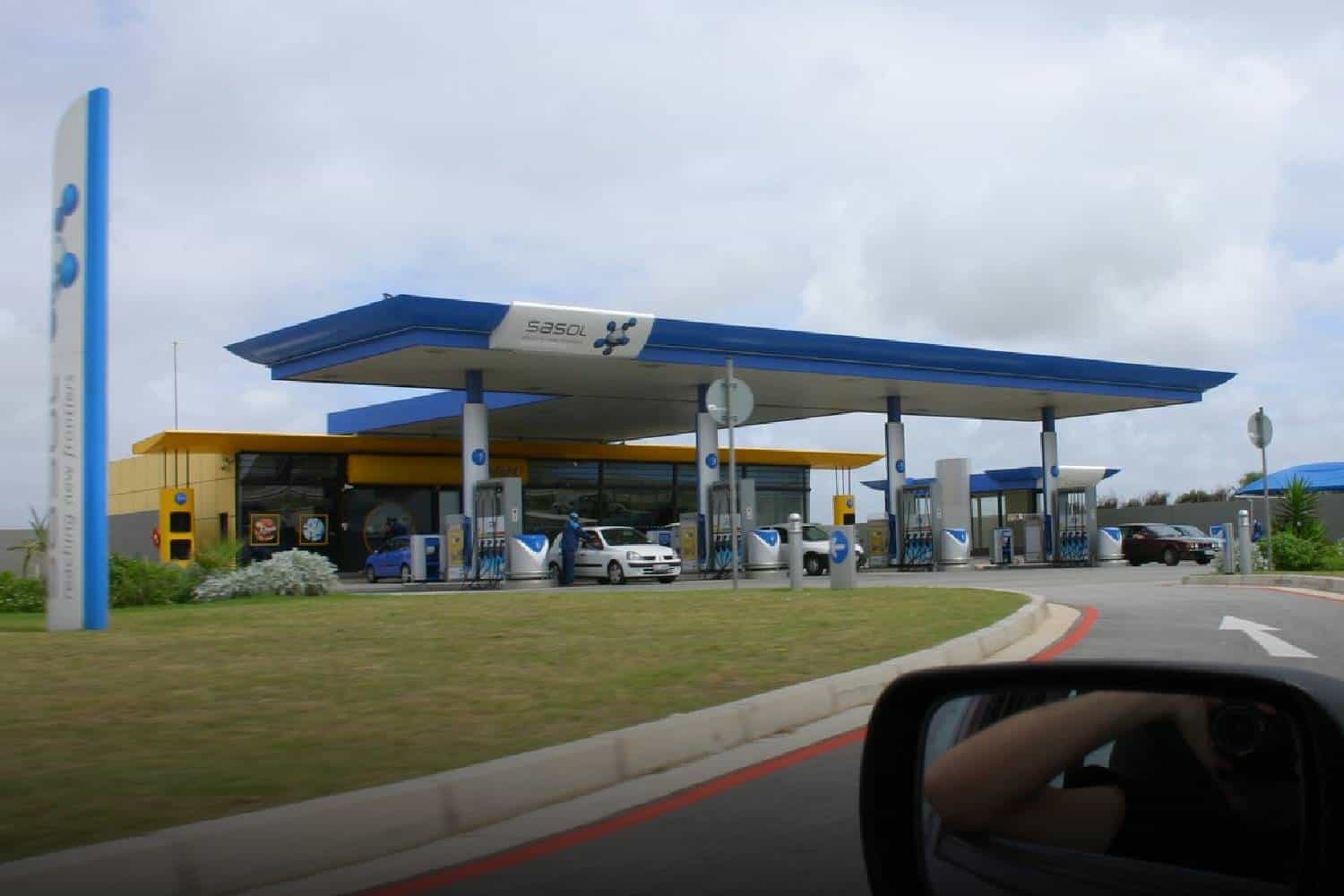
A sustained reopening would feed through to the petrol price South Africans pay at the pump, where the international oil cost makes up the bulk of the basic fuel price.
Cheaper crude through the second half of 2026 would ease pressure on household budgets already stretched by the cost of living.
Iran framed the deal cautiously. Deputy Foreign Minister Kazem Gharibabadi said it would be signed in Switzerland on Friday, 19 June 2026, noting that “all of our positions and important issues are included in the draft understanding.”
He stressed the agreement “does not signify trust in the enemy and was drafted in an atmosphere of continued distrust.”
What happens next for the deal
Critical issues remain unresolved.
The deal sets aside the toughest questions for the 60-day talks, including the future of Iran’s nuclear programme and the fate of sanctions, leaving room for the truce to fray before the ink dries.
Israeli strikes in Lebanon have already tested the fragile understanding.
The signing in Switzerland is the next test. Trump has announced an imminent Iran deal several times since April without one holding, so attention now turns to whether the documents are signed on Friday and how quickly tankers return to the Strait of Hormuz once the blockade lifts.