

South Africa’s petrol and diesel prices face a projected increase of up to R2.63 per litre in May 2026 as instability at the Strait of Hormuz continues to disrupt the global oil supply on which the country depends for more than 95% of its refined fuel.
The United States this week announced a blockade of Iranian ports while Iran simultaneously declared the strait “completely open” during a ceasefire, leaving oil markets caught between contradictory signals and keeping South African consumers exposed to ongoing fuel price volatility.
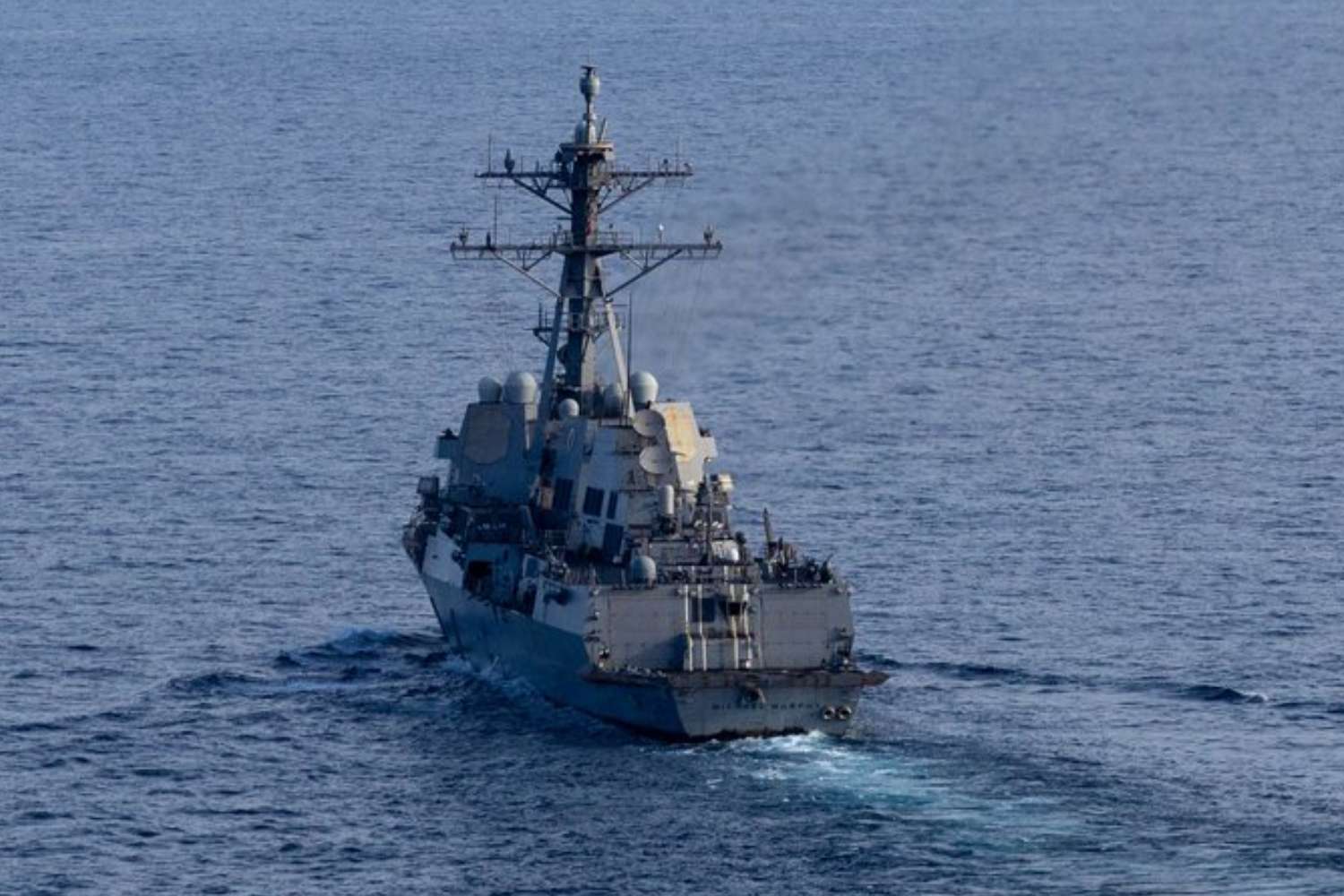
The Strait of Hormuz is the world’s most critical oil chokepoint, carrying approximately one-fifth of the planet’s total oil supply. Maritime traffic through the strait has plummeted since the Iran conflict began on 28 February 2026, with vessels now navigating the route with significantly reduced frequency.
Three tankers attempted to transit the waterway earlier this week: the Marshall Islands-flagged New Future, carrying more than 330,000 barrels of gasoil loaded in the United Arab Emirates; the Panama-flagged Auroura; and the Vietnam-flagged NV Sunshine, an LPG carrier approaching from the opposite direction.
The New Future successfully navigated the route south of Iran’s Larak Island and headed toward Sohar in Oman. The Auroura remained positioned near Larak Island as the situation continued to develop.
How the Hormuz standoff hits South Africans at the pump
Finance Minister Enoch Godongwana moved to cushion South Africans in April by cutting the fuel levy by R3.00 per litre for both petrol and diesel, forgoing R6 billion in government revenue.
The intervention has meaningfully reduced the under-recovery gap: petrol’s under-recovery fell 67% from R7.88 per litre at the start of April to between R2.29 and R2.63 per litre currently, while diesel’s under-recovery fell 54% from R17.57 to approximately R8.05 per litre.
Despite this improvement, analysts warn that the gains remain hostage to geopolitical conditions far beyond Pretoria’s control.
“Energy price drops are limited by uncertainty, as markets remain unsure whether the ceasefire in the Middle East will hold,” said Annabel Bishop, Chief Economist at Investec.
For consumers filling a standard 60-litre tank with petrol 95, a projected R2.63 per litre increase would add approximately R157.80 per fill relative to current pump prices, assuming the under-recovery holds at its present level through the May adjustment.
Europe presses ahead as Trump tells NATO to stay away
European nations have accelerated plans to secure their own passage through Hormuz despite a public instruction from United States President Donald Trump telling NATO allies to “stay away” from the strait.
The divergence between Washington and its European partners has introduced another layer of geopolitical complexity into oil markets on which South African refiners and importers directly depend.
Gina Schoeman, Country Economist at Citigroup, said there is fiscal room for the South African government to extend the levy relief beyond April.
“A staggered reduction of the fuel price levy for at least another month, if not another two,” is “certainly feasible,” Schoeman said, adding that the government has the fiscal capacity to carry the additional cost of between R10 billion and R12 billion.
Next announcement: 6 May 2026
The Department of Mineral Resources and Energy is scheduled to announce May 2026 fuel price adjustments on 6 May 2026. Based on current projections, petrol 93 is expected to rise by R2.29 per litre, petrol 95 by R2.63 per litre, diesel at 0.005% sulphur by R8.07 per litre, and illuminating paraffin by R6.52 per litre.
International petroleum products account for more than 95% of the current under-recovery, meaning any ceasefire breakthrough or further US-Iran escalation between now and 6 May will materially alter the final figures.
Motorists and fleet operators are advised to monitor official DMRE communications in the lead-up to the announcement.