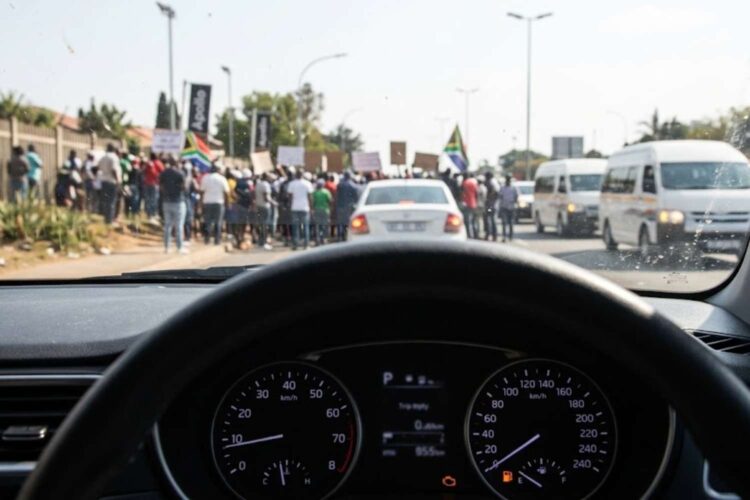


South African consumers are facing a growing stack of emergency surcharges from airlines, courier companies, and security service providers, all of them triggered by the same underlying cause: Brent crude above $100 per barrel, driven by the US-Iran conflict and the collapse of ceasefire talks last weekend.
The surcharges are arriving at the worst possible time for households already absorbing a R3.06 per litre petrol price increase on 1 April 2026, the largest single-month hike in several years.
With a further increase of up to R4.50 per litre projected for May, businesses across several sectors have concluded that they can no longer absorb rising operating costs without passing them on.
Airlines and courier services
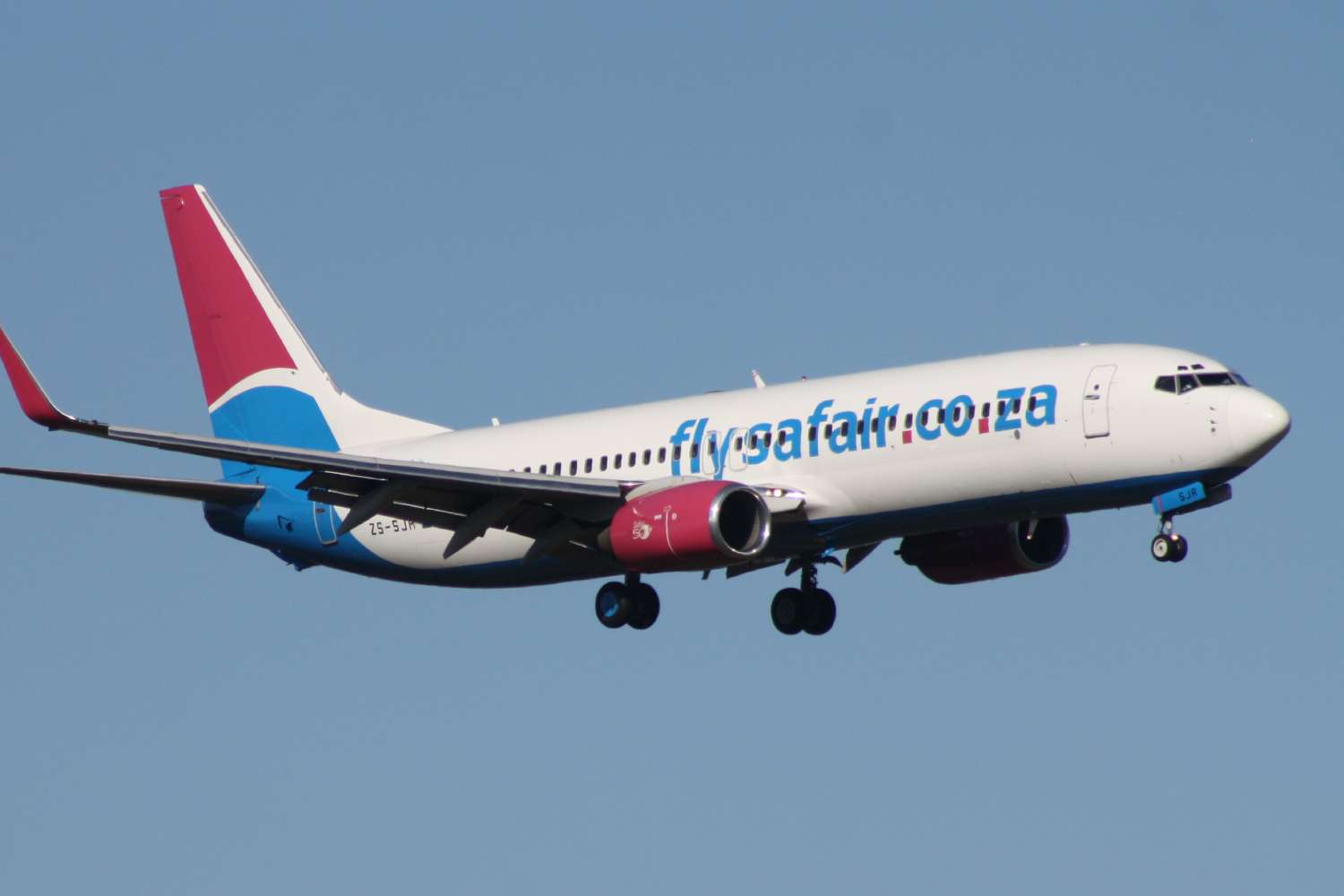
FlySafair implemented a temporary dynamic fuel surcharge from 12 March 2026 on all flights departing on or before 12 May 2026.
The surcharge is calculated dynamically based on prevailing jet fuel prices at the time of booking, meaning that tickets purchased today will carry a higher levy than those purchased before the blockade.
The Courier Guy announced a 12 percent fuel surcharge on all shipments, citing the direct knock-on effect of airline cargo pricing on its air parcel operations. The company introduced the measure after SAA Cargo and other freight carriers raised their own prices in response to sustained fuel cost increases.
For consumers sending packages, particularly businesses and small online retailers dependent on express logistics, the additional cost comes at a time when e-commerce growth has made reliable delivery more central to operations.
Business Day reported on Tuesday 14 April that African airlines broadly were introducing surcharges as supply chain pressures deepened, reflecting a sector-wide response rather than isolated decisions by individual operators.
Security firms and household budgets
From 1 May 2026, security firms will impose a temporary emergency increase on top of their existing levy structures, with one industry representative noting that companies had been absorbing rising costs for months in the expectation that the Iran conflict would be short-lived.
Following the breakdown of talks in Islamabad and the reactivation of the blockade, that assumption has now changed.
For the average South African household that subscribes to an armed response or guarding service, a significant portion of the middle-income and upper-income market, the security surcharge will arrive in May statements alongside already elevated grocery, fuel, and electricity costs.
The underlying cause and when it might ease
The common thread across all three sectors is the price of oil. South Africa is a net importer of crude, and a sustained Brent crude price above $100 per barrel flows directly and rapidly into transport costs, logistics pricing, and the operating budgets of any business that relies on vehicles or aircraft.
The government’s emergency R3.00 per litre reduction in the general fuel levy provides partial relief but expires on 5 May 2026, after which the full market price will apply unless the measure is extended.
The next fuel price announcement is expected in the first week of May. Whether the May adjustment is reduced or reversed will depend entirely on whether US-Iran talks produce a credible ceasefire extension before oil markets stabilise.
Swisher Post will publish an update on the May fuel price as soon as the Central Energy Fund releases its preliminary data.